Reflections on the Trip

Once you have travelled, the voyage never ends, but is played out over and over again in the quietest chambers. The mind can never break off from the journey.”

Don’t listen to what they say, go see.”

For anyone who might like to do a similar trip, here’s a summary of what we did:

Delhi – (3 nights)
We stayed at the Imperial Hotel, Connaught Place. It’s grand, colonial and pricey but a safe and gently way into the city. See the fort, see the mosque if you can, see a carpet demonstration and take it from there.

Jaipur (3 nights)
We stayed at the Umaid Mahai heritage style hotel. It was a comfortable and reasonably priced place to stay but away from the older part of the city. They do have an excellent roof top restaurant though and cultural entertainment every evening. See the fort (but think twice before paying to tour the private rooms). Definitely see the outdoors Jantar Mantar astronomical observatory and have a meal at the Wind View Café opposite the Palace of the Winds.

Jodhpur (3 nights)
If you want to experience Jodhpur at it’s finest, maddest best, stay in the old part of town. We stayed at the Shahi Guest House which was wonderful apart from the height of the steps. The tuk-tuk rides to the clock tower are breath taking. Eat at Pal Halveni. Go and see the step well near the Raas Hotel and consider staying there if you have the budget and want to miss out on the real Jodhpur. For fabrics, go and see Jain Textiles. Everyone knows where it is. If you’re a bloke, try on a Jodhpur jacket.

Udaipur (3 nights)
Udaipur is beautiful. If you’ve seen the Marigold Hotel films, you’ll be familiar with the setting. We stayed at the Kankarwa by the waterfront which was lovely. The owner gives cooking lessons. She also claims to do block printing of fabrics which turn out to have been done by her Mum and friends but the conversation is charming, the fabric reasonably priced and she can get a shirt made for you for a fiver. If you’re feeling brave, try an Ayurvedic massage at your own risk. Eat at the Amand place on a spur into the lake.

Pushkar (2 nights)
Go and see Pushkar if the camel festival is on or if you are interested in the religious side of things. We stayed at the Sun Set Cafe but wouldn’t recommend it. Better to stay somewhere in the centre of town or consider one of the up-market camp sites.

Bundi (1 night)
We were expecting to see stunning step wells in the area and didn’t although that may have been down to our research. The town was dirty and the only reason we’d recommend a visit here would be to stay at the Haveli Braj Bhushanjee which was a delight.

Ranthambore (2 nights)
If you want to see wildlife, you’d be better off going to one of the wildlife parks in the north of India. There are only around 64 tigers in the Ranthambore area and frankly they’d be better off if we all left them alone. The chances of seeing them are remote and if you must, research the best zones and book a jeep for those well in advance of coming. If you are in one of the trucks or in an outer zone, forget tigers and spend the day by the pool. We stayed at Jungle Villas which has a very nice pool and great food.

Agra / Taj Mahal (2 nights)
As far as we could tell, there are three reasons to visit Agra: the Taj Mahal, Agra fort and the mini-Taj. You can see them all comfortably in a day. Expect a crowd if you go to the Taj Mahal at sunrise or book your ticket on line in advance. (The ticket booths were clear when we came out 2-3 hours later). It’s definitely worth paying for a guide as they can fast track you in and give you useful information that makes it something special. You don’t need a guide for the other two sites. We stayed at The Coral House Homestay which was within easy walking distance of the Taj and was lovely.

Kathmandu (3 nights)
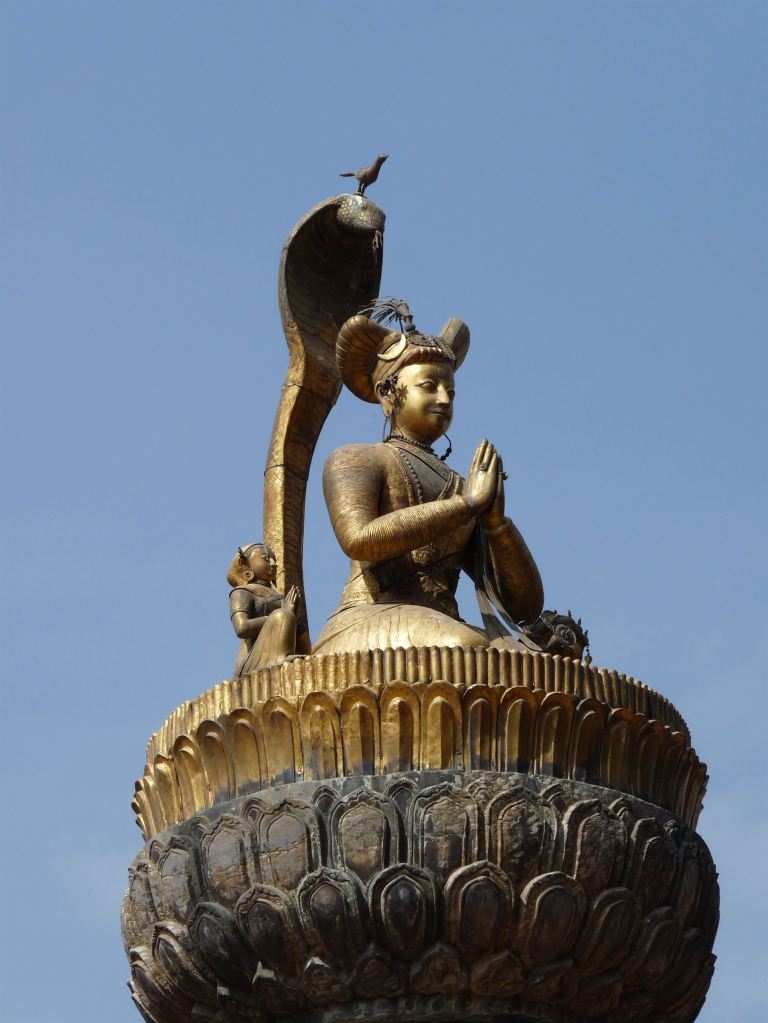
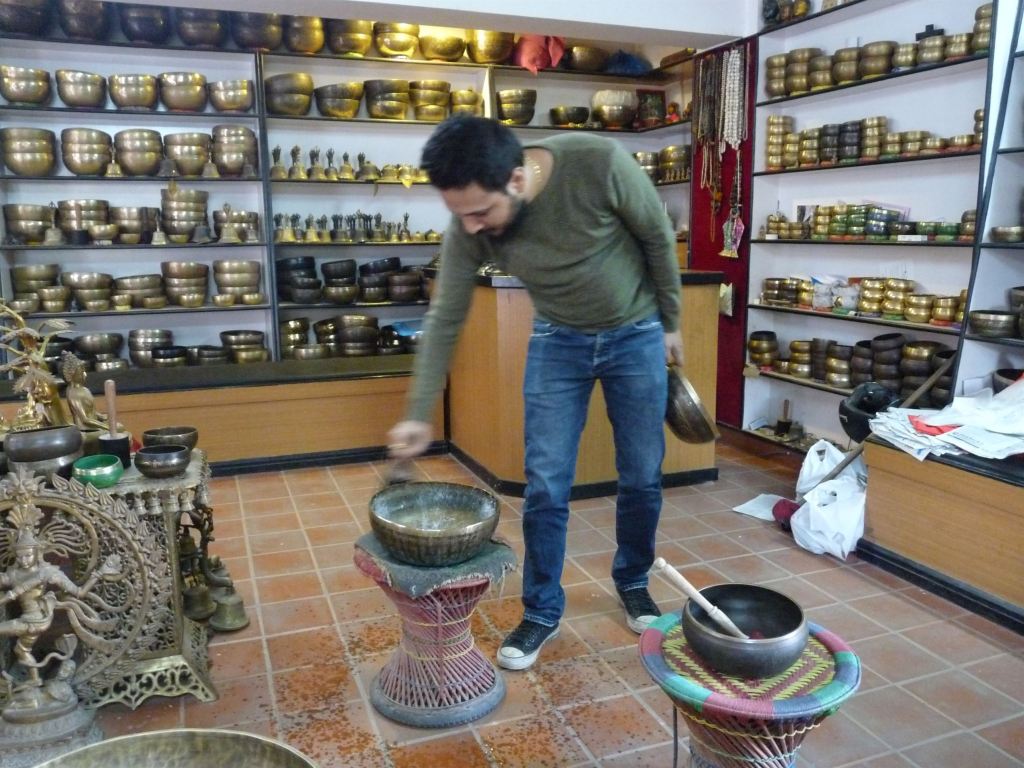
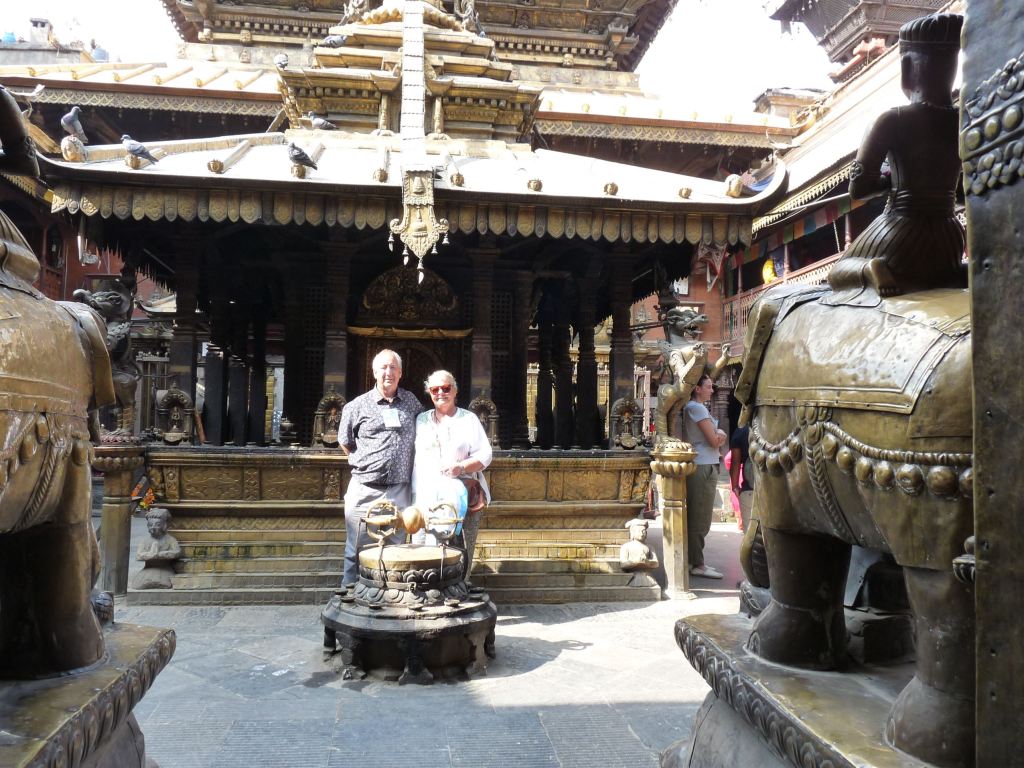
You can do Agra to Delhi and fly out to Kathmandu in a day quite easily. If you do, make sure you allow at least two hours to get through Delhi airport, preferably longer. Kathmandu is busy but much calmer (perhaps that should be quieter) than India and feels like a holiday from India. We stayed at the Yatri Suites and Spa and would happily recommend it. Get the hotel to arrange a taxi tour of the city and take it from there. That will include the Hindu temple on the hill, the biggest Stupa in Nepal, the old palace, the public cremation Ghats and other bits. If you want a Singing Bowl, buy from the specialist shop near the old palace, or just go and have a look an see the water dance. If you don’t want to do a full tour the following day, go and see the Royal Palace museum and then have lunch in the nearby pleasure gardens.

Pokhara (3 nights)
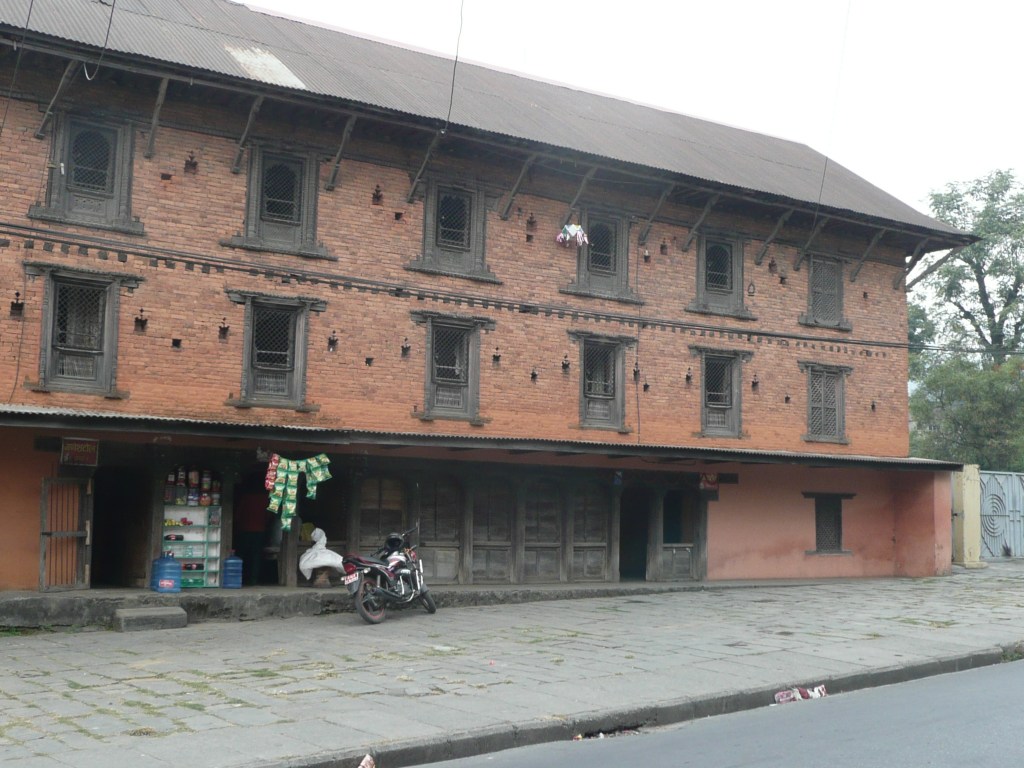
If Kathmandu was a holiday from India, Pokhara was a holiday from Kathmandu. We did three nights, we could have done more. Fly down with Yeti Airlines. Stay by the Lakeside and if your interested in having clothes made, get a taxi to take you to the tailoring area on the other side of town. We stayed at the Dahlia Boutique Hotel on 3rd Street and had a junior suite because that was on offer when we booked. It meant we got a separate lounge and was well worth doing. It’s a nice walk up past all the shops along the lakeside. If you want to be in the middle of all that, you might want to look for accommodation around 12th Street. If you want a relaxing massage, try Camilia’s just up and back from the Dahlia Hotel and if you want an excuse for a massage, book a taxi tour of the area. The caves are nothing special but the sunrise and the Stupa are worth the effort.

Kathmandu (1 night)
We stayed at the Yatri Suites again. They are happy to look after bags so you can travel light to Pokhara.

Delhi (1 night)
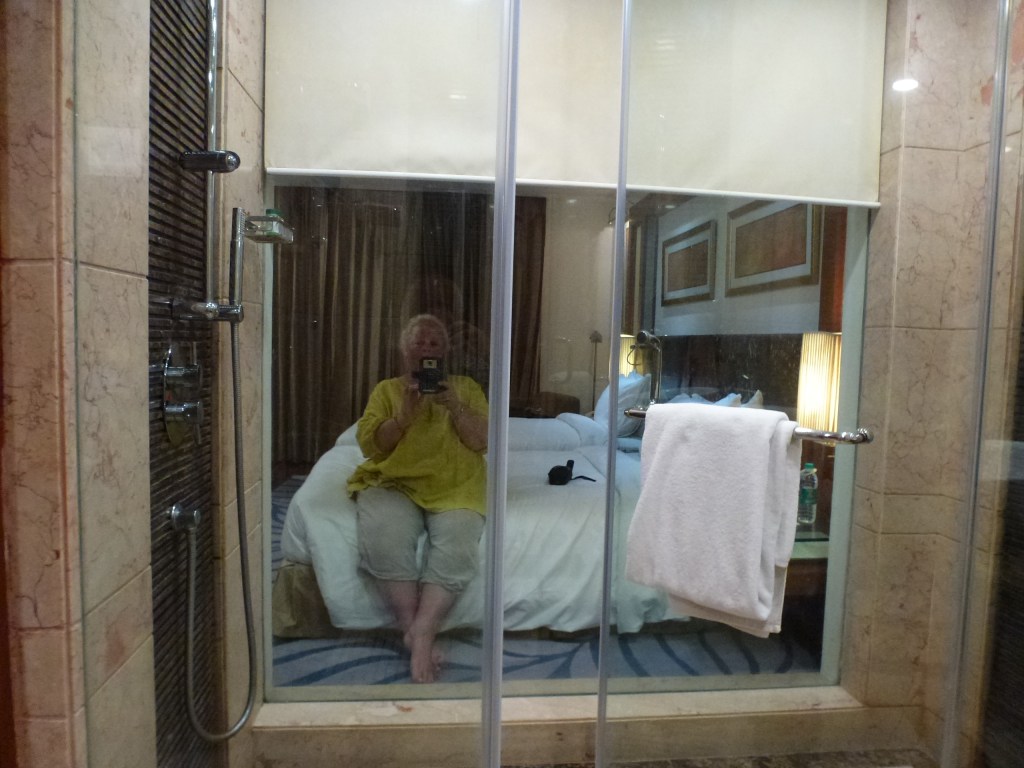
We stayed at the Radisson Blu Plaza. They provide a complimentary taxi service. The buffet is good (but double the quoted price to allow for taxes and service charge) and make sure you find the hidden switch to bring the blind down between the bedroom and the bathroom unless you are into that sort of thing.
Mon 18th – Wed 20th Nov 2019 – Homeward Bound

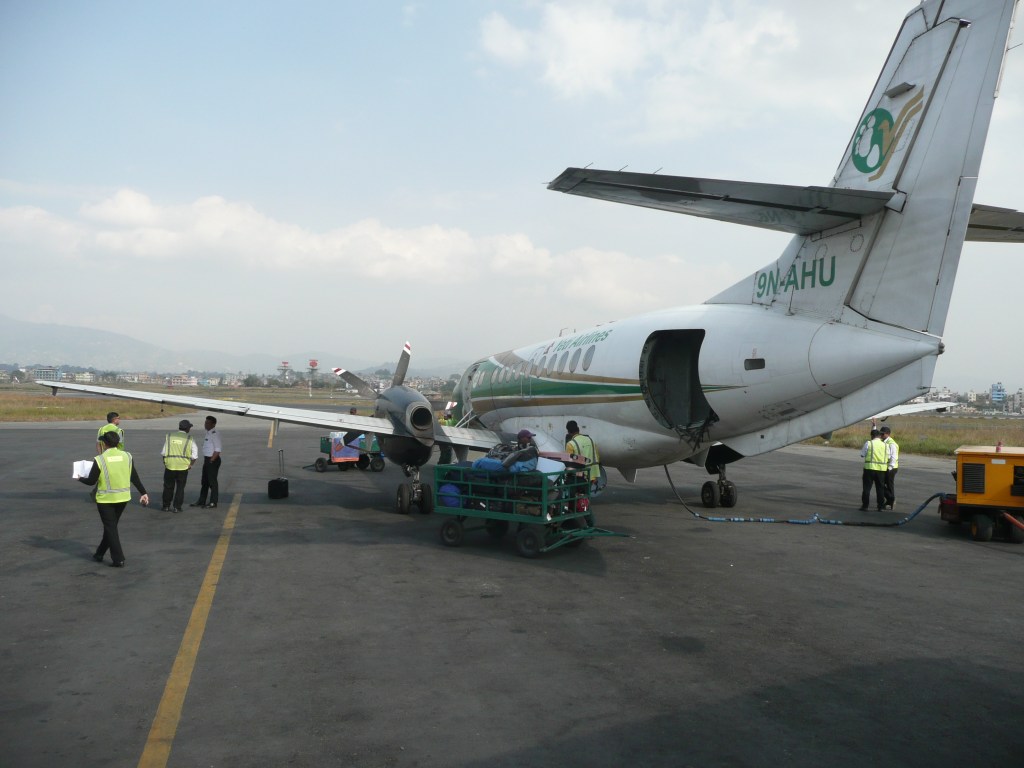
I’m a big fan of Yeti Airlines.

Our visit to Bhalam village pretty much marked the end of our adventures in India and Nepal but we still had to get home. That left us with the flights from Pokhara to Kathmandu, Kathmandu to Delhi and Delhi to London and a final boat ride.

Pokhara to Delhi

Yeti Airlines offers a great service. Plenty of flights and a very flexible attitude to ticketing. We were booked for the afternoon, decided to try for an earlier flight and got on board without problem and at no additional charge.

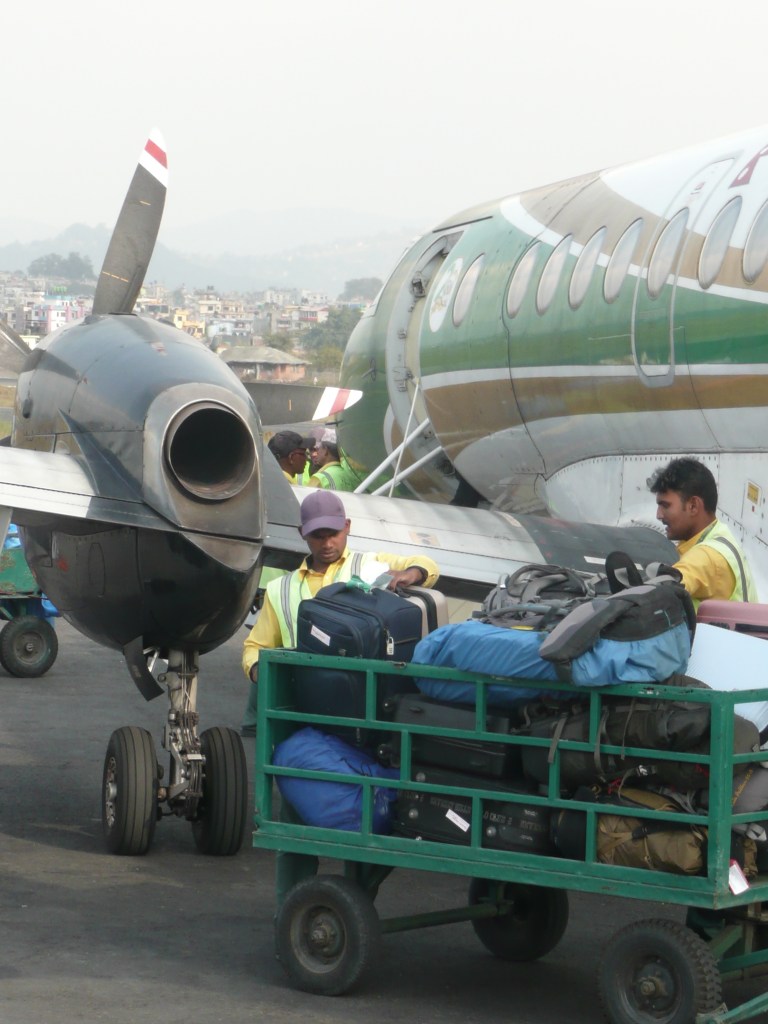
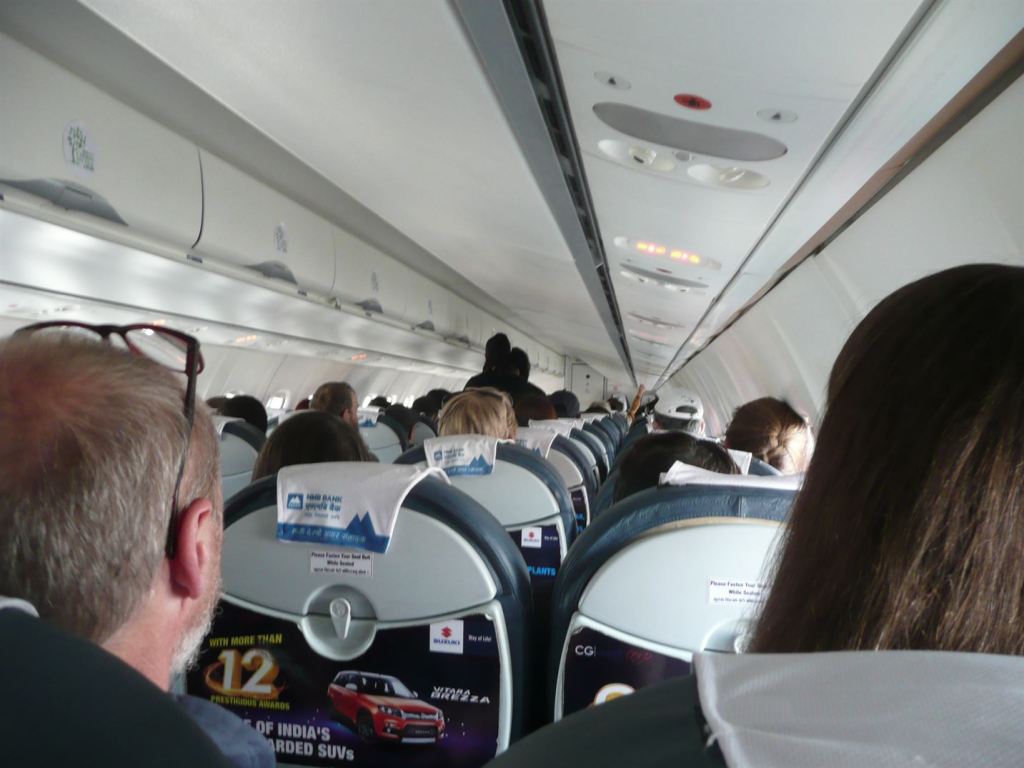
Then we saw the plane. It was much smaller than the one we’d flown down in and there was black smoke coming from one of the engines as we went to get on. No-one else seemed particular bothered by that and well, you don’t like to make a fuss, so on we got.

The smoke was because the plane had just landed. We boarded as soon as the last passenger was off and the plane was back in the air inside half an hour.

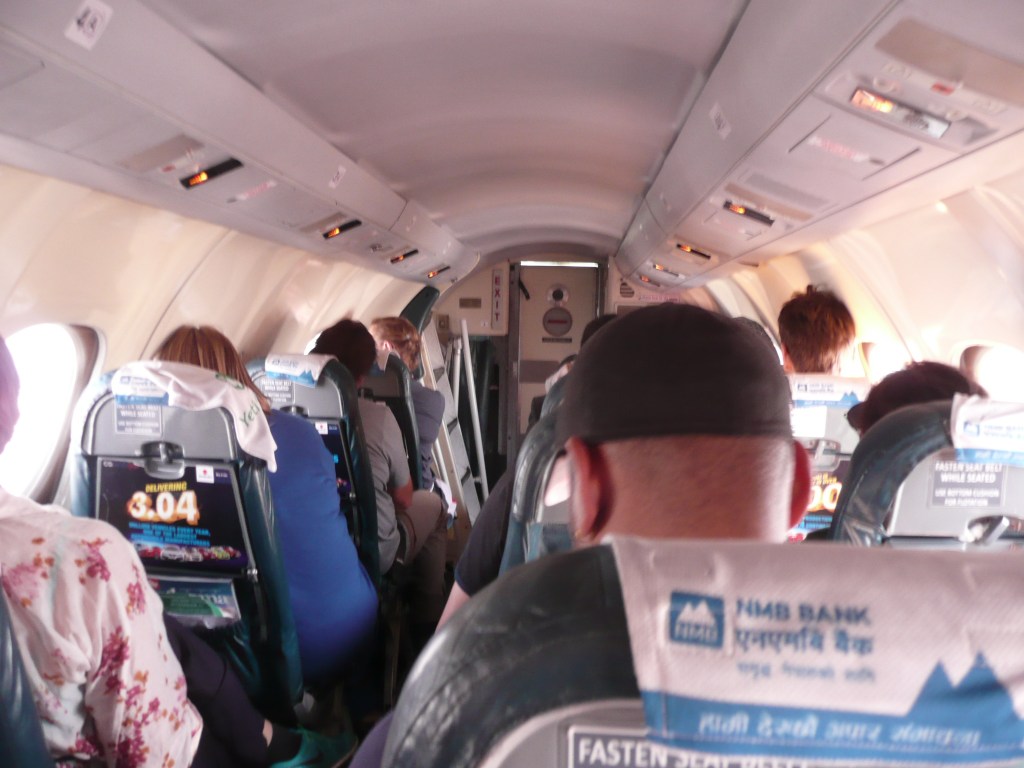
There was none of the usual nonsense about putting stuff in the overhead lockers as there weren’t any. The stewardess even managed to do a ‘sweet and cotton wool’ service and a water service during the twenty-five minute flight. That’s efficient.

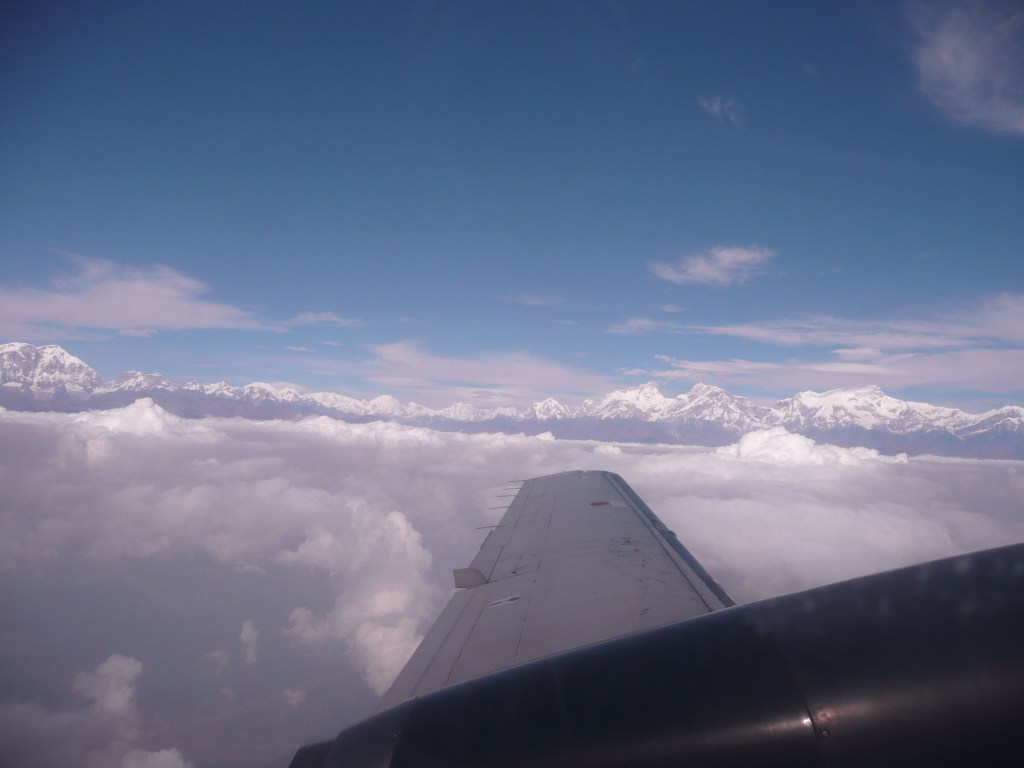
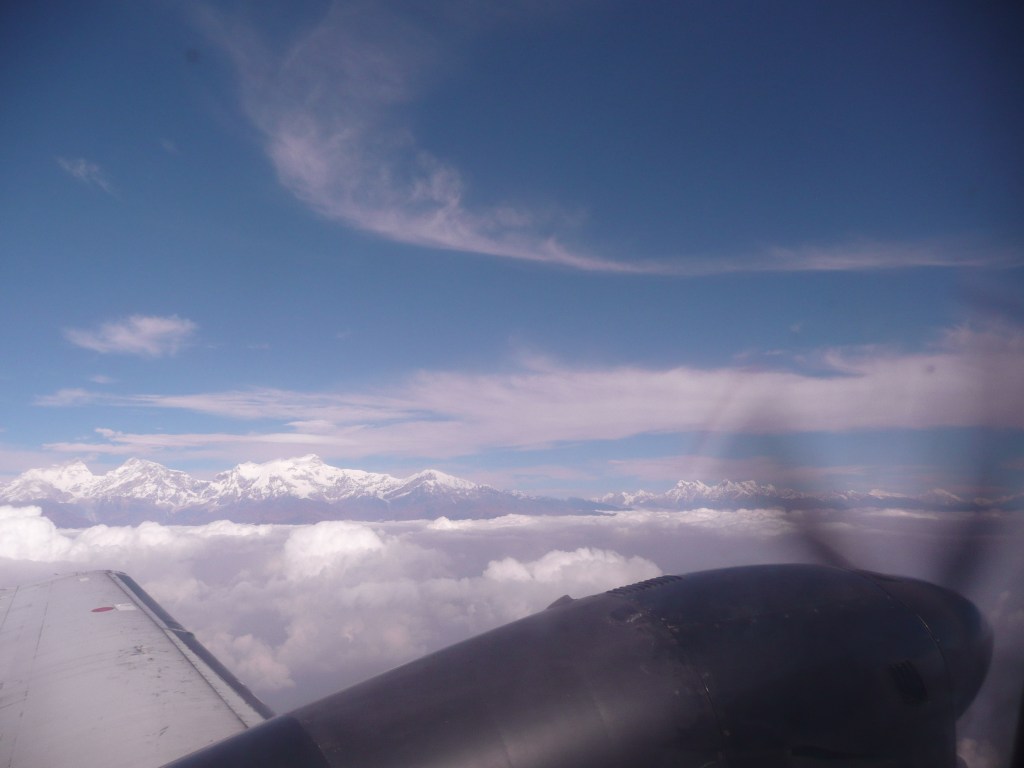
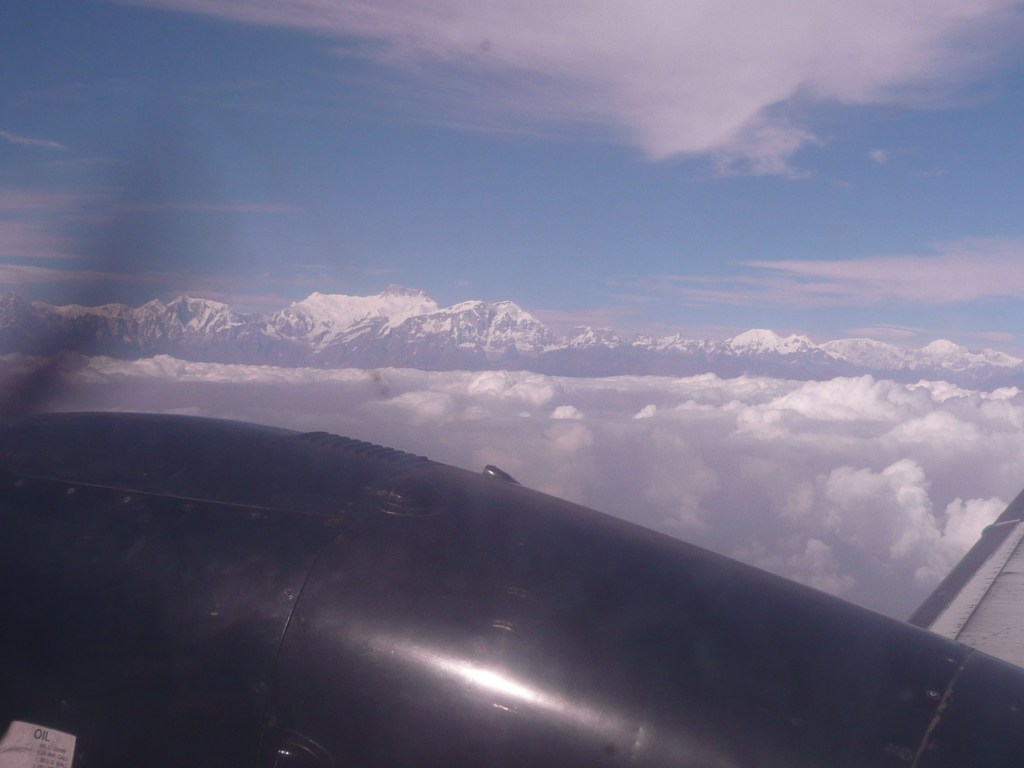
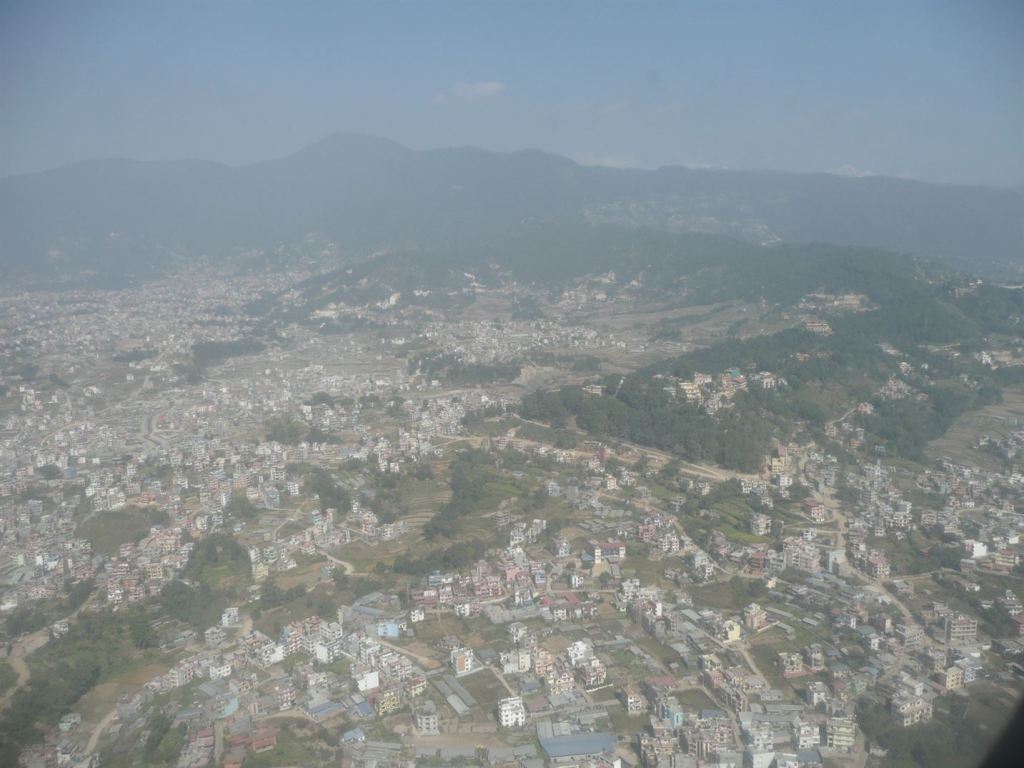
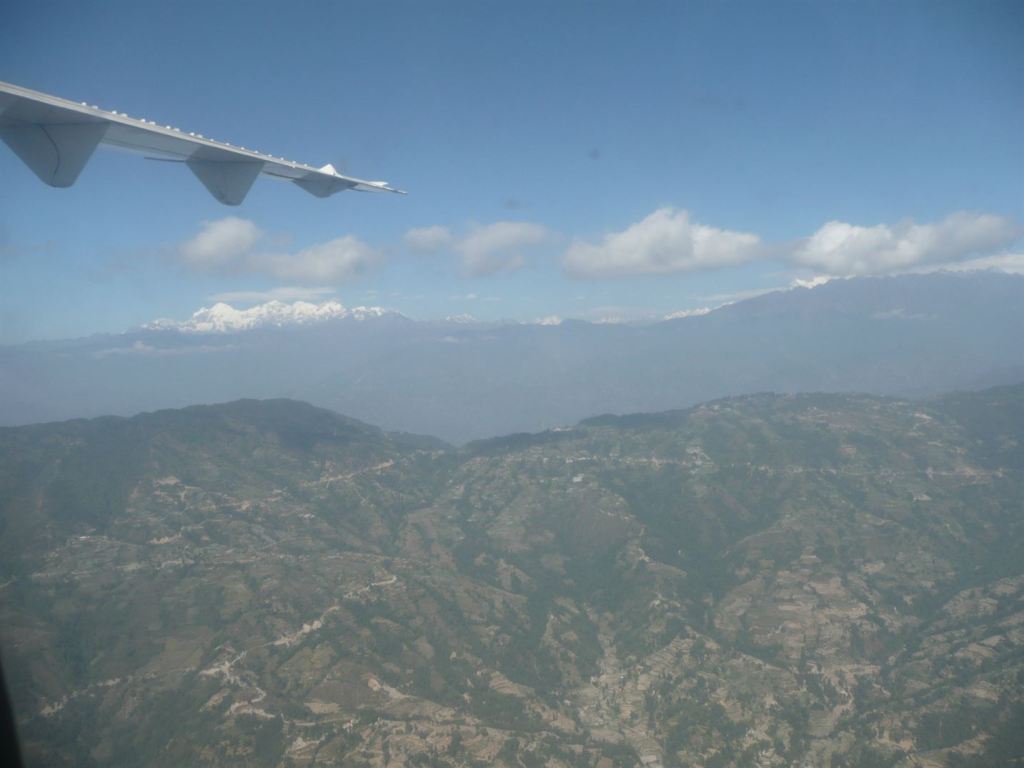
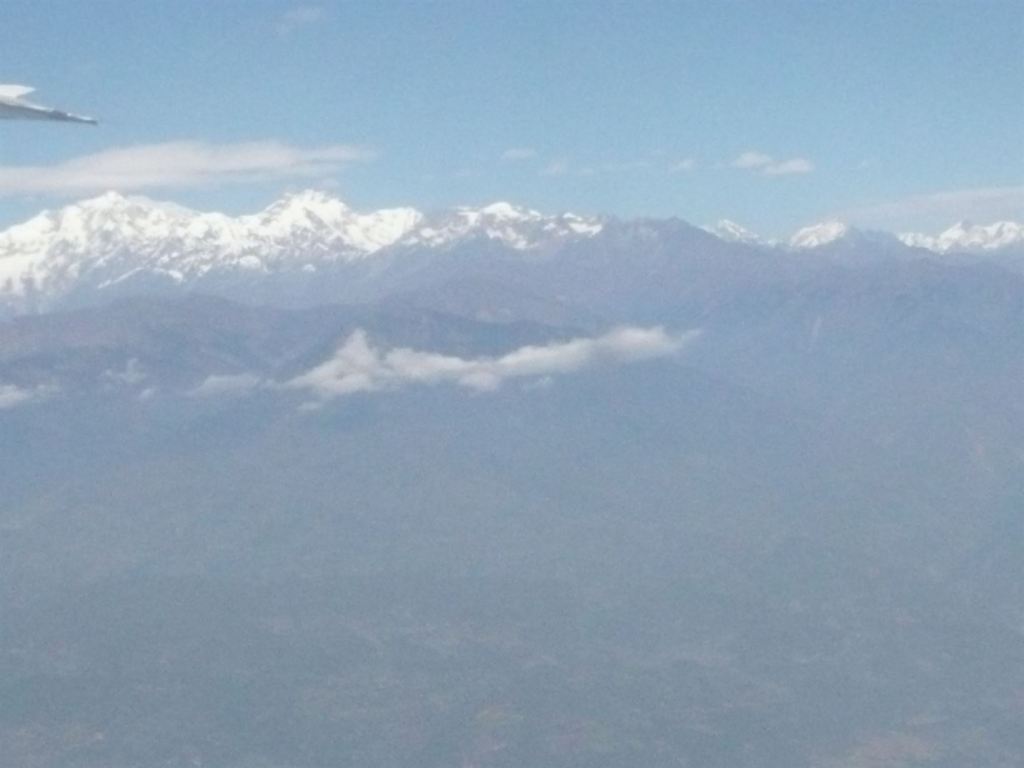
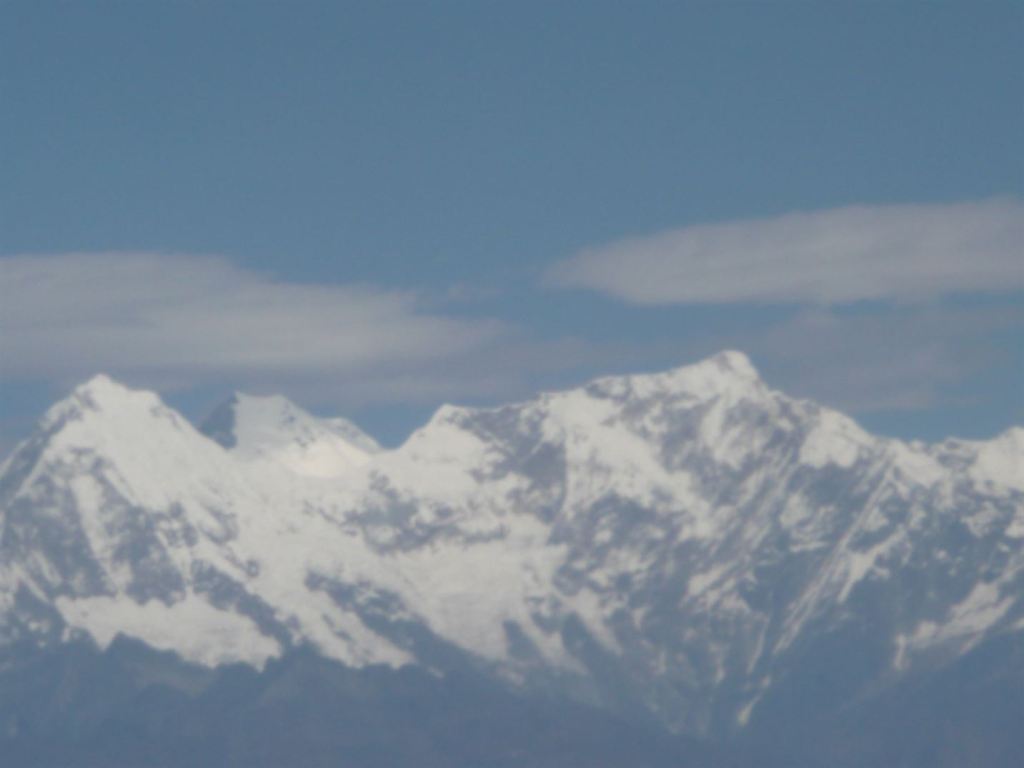
They even did a tour of the Himalayas for us as a bonus.

Kathmandu to Delhi

Getting out of Kathmandu was a lot easier than getting in. It looked at one point like there was going to be a problem with our India visas but once I’d explained the concepts of multiple entries and expiry dates to the Nepal Immigration Officer all was well.

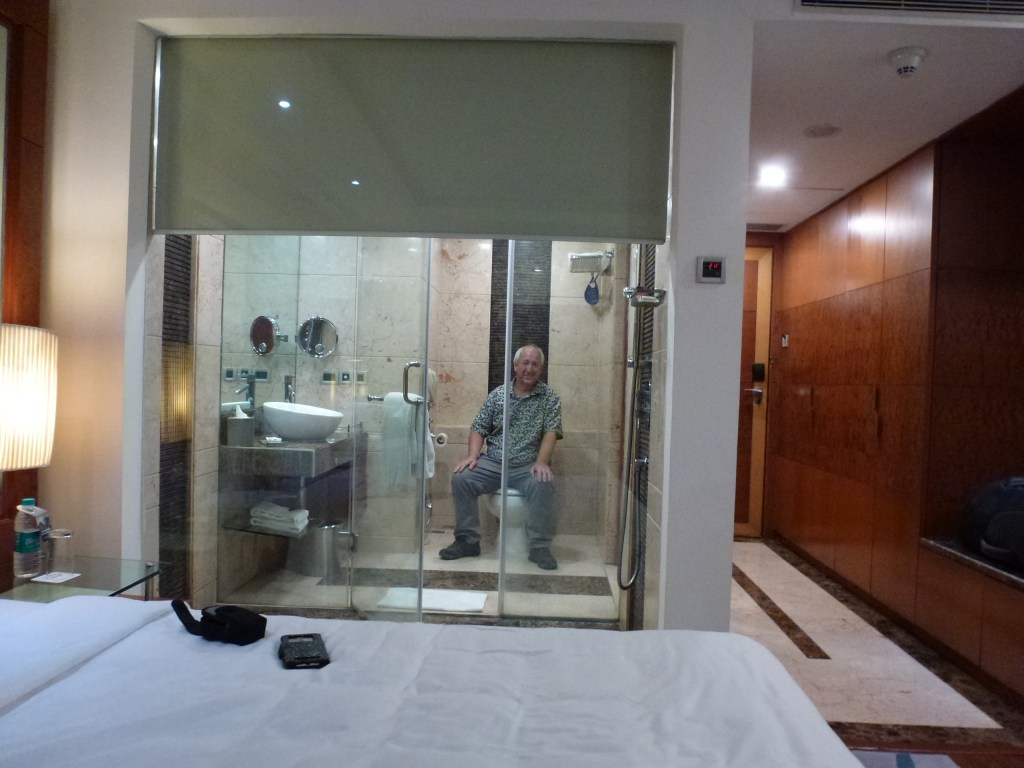
Because of flight times we then had an overnight stay at the Radisson Airport Hotel in Delhi. The service they provided was great including a complimentary airport pick-up and drop-off service, but the architects need a bit of a talking to.

Even when you’ve been together for nigh on forty years, there are still some things you just don’t need to see.

Delhi to London

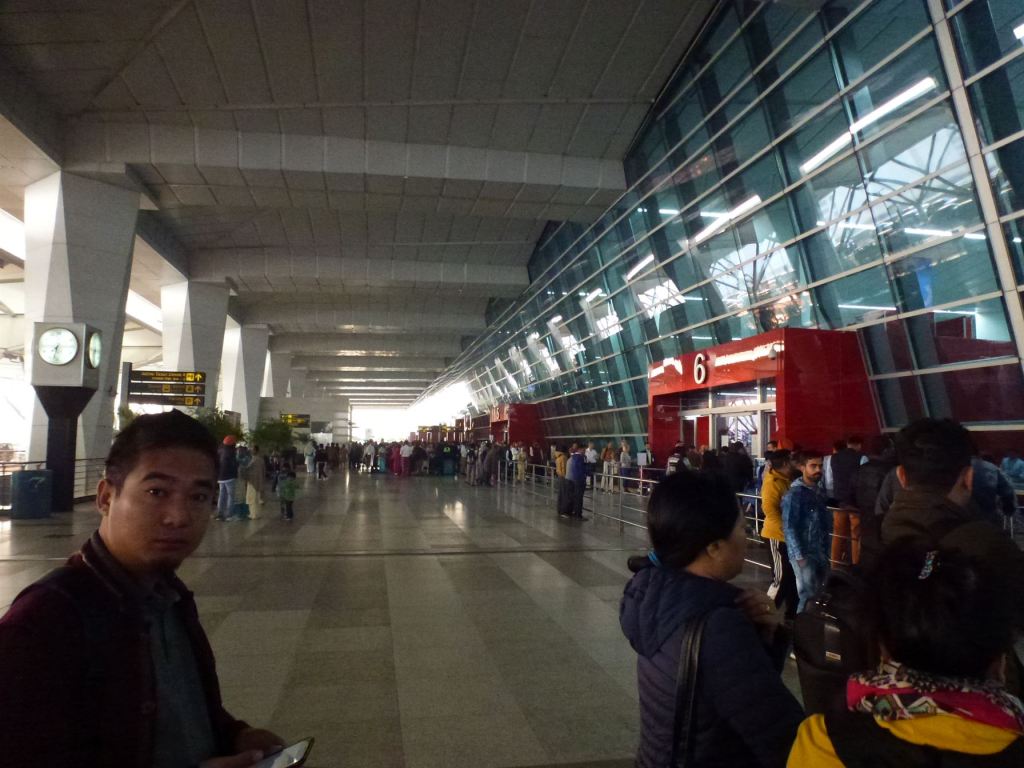
After a night of keeping everything crossed we were up bright and early and left the hotel at 07:30 for our 11am flight to London. Given that we were only twenty minutes from the airport that might seem a tad early but not a bit of it.

It took us the best part of three hours to get through security to get into the airport terminal, check in, get through the security checks, do the forced route march through Duty Free and get to the gate.

Twenty minutes just to get in to the terminal building from this point.

London Heathrow – Terminal

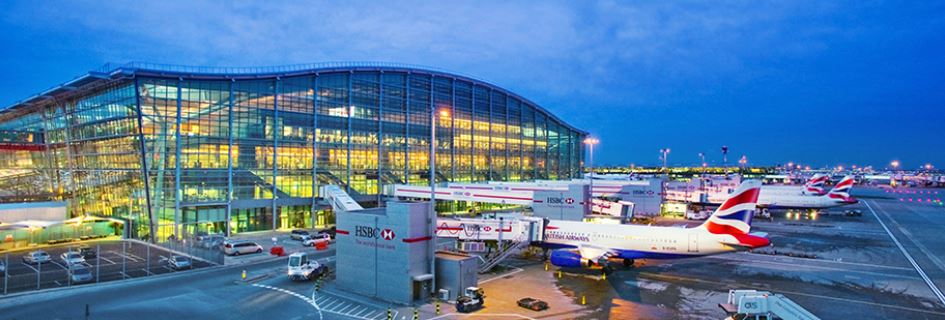
If you’ve never been to Terminal 5 at Heathrow, it’s a big place. We needed to get a transit train just to get to immigration. High praise though for the electronic passport scanning system which meant that we, and pretty much everyone else was through immigration in less than five minutes.

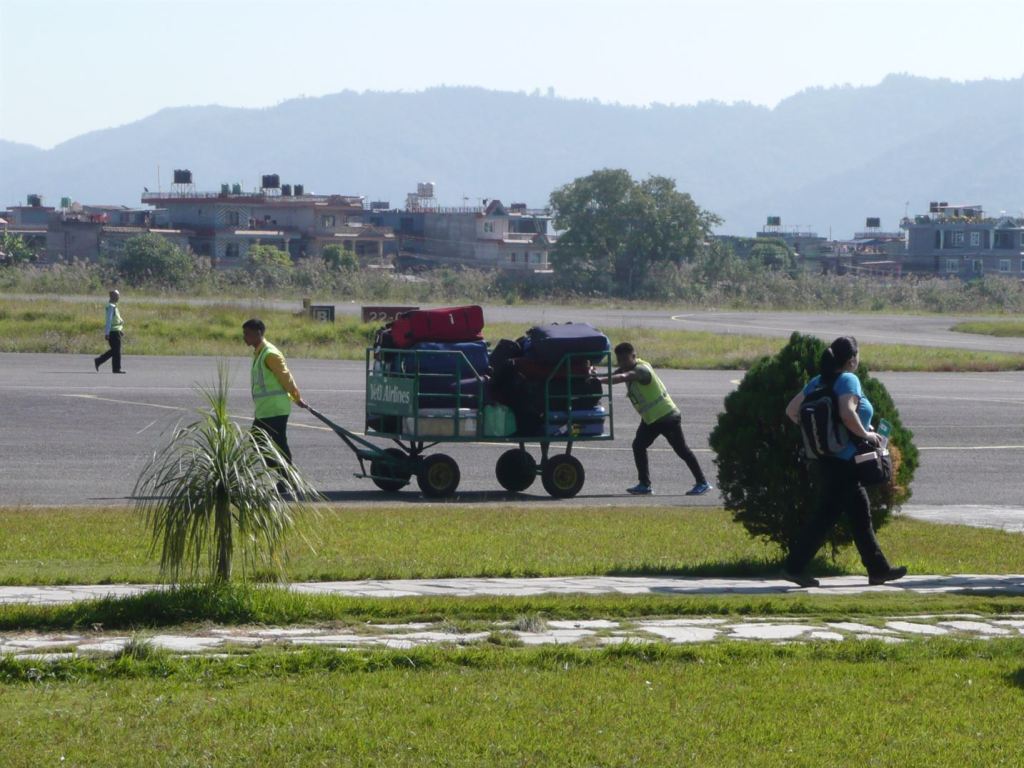
The baggage handlers could learn a lesson or two from Yeti Airlines though.

The Last Leg

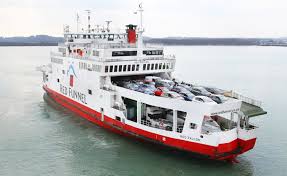
And so to the final leg, and a special thank you to number two daughter, Megan, for picking us up from the airport and taking us down to Southampton for the ferry home. That gave us the full set of perfect connections.

Sunday, 17th November 2019 – Balham Village near Pokhara

There are some things in your life that stay with you forever.

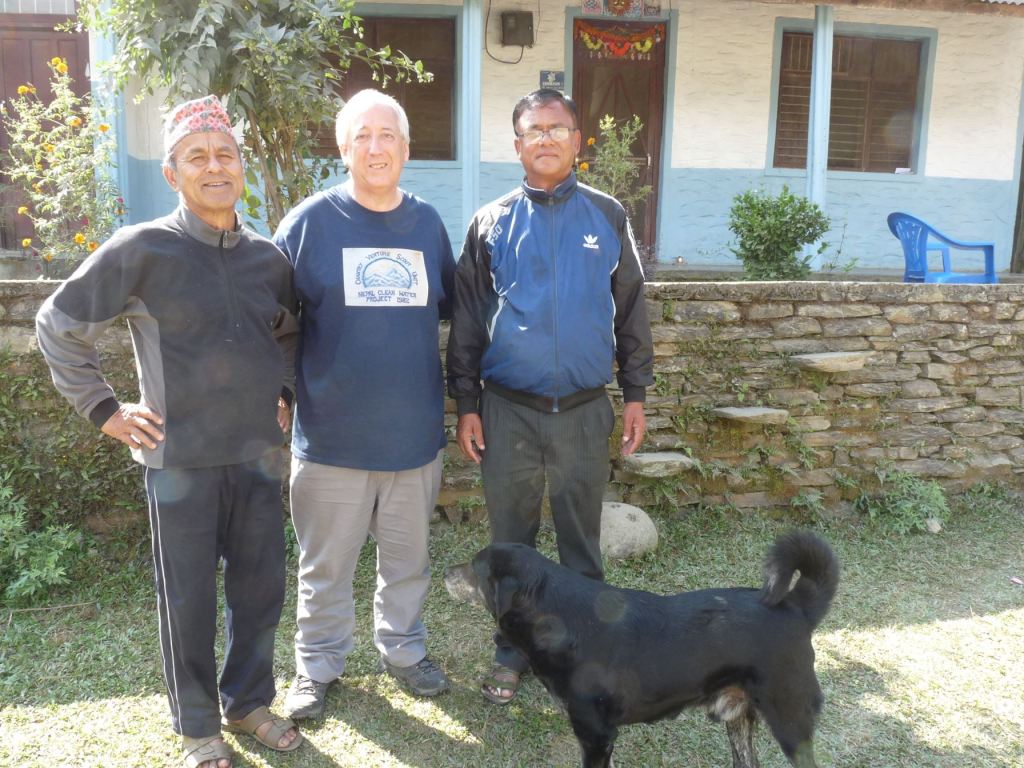
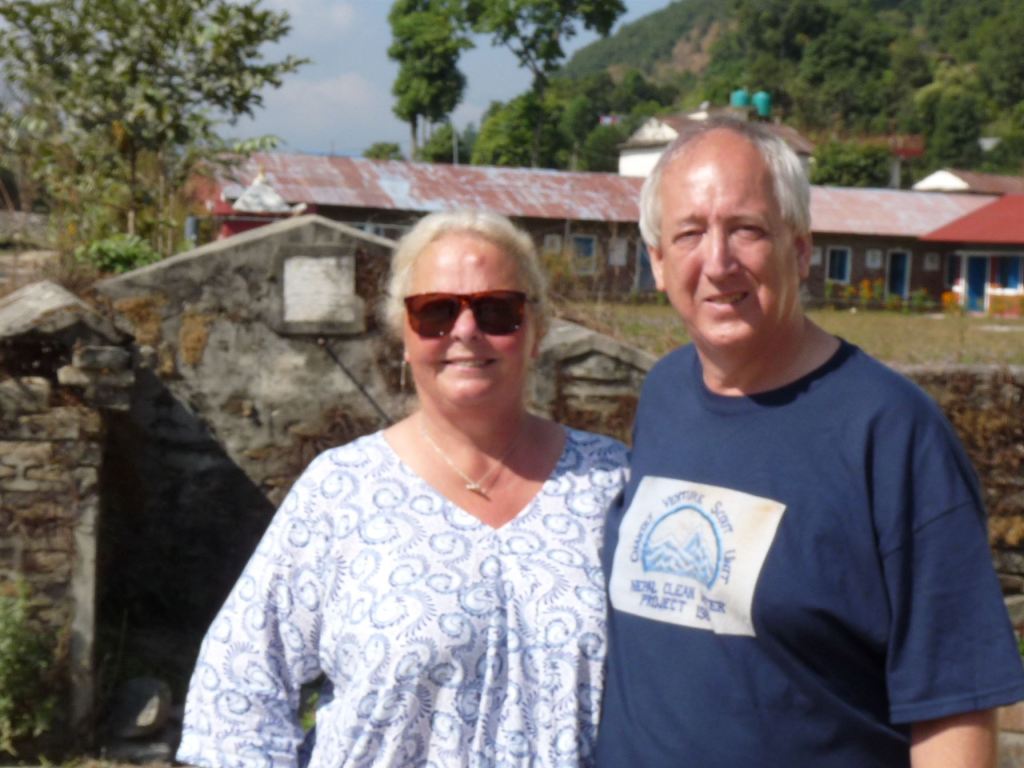
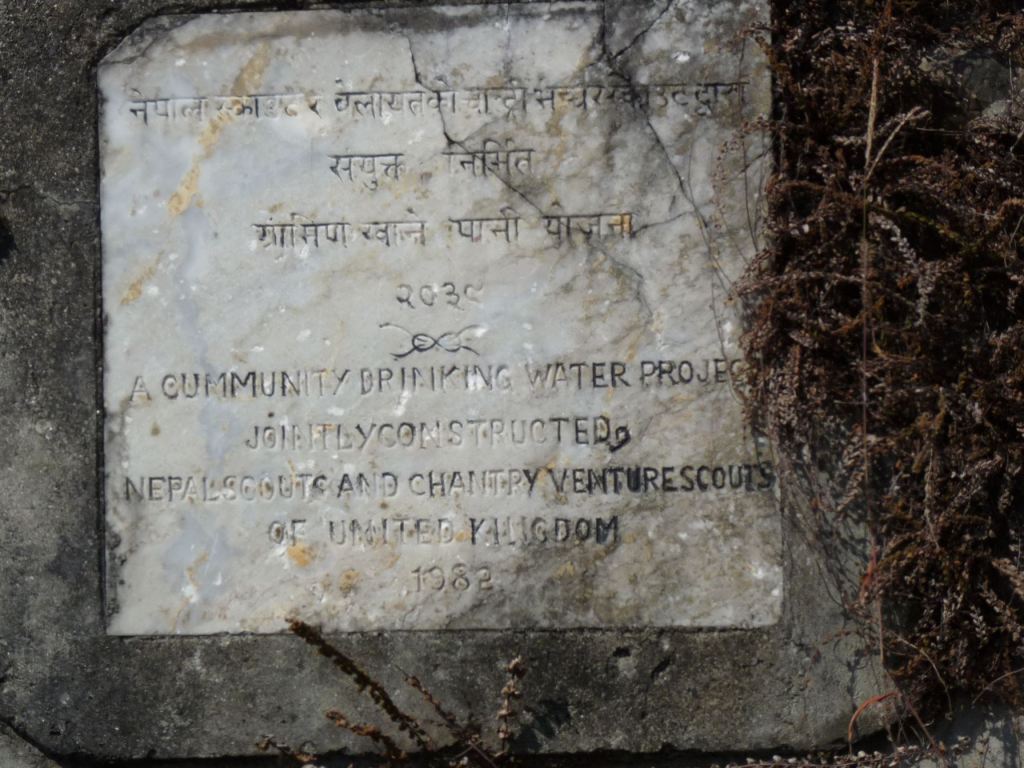
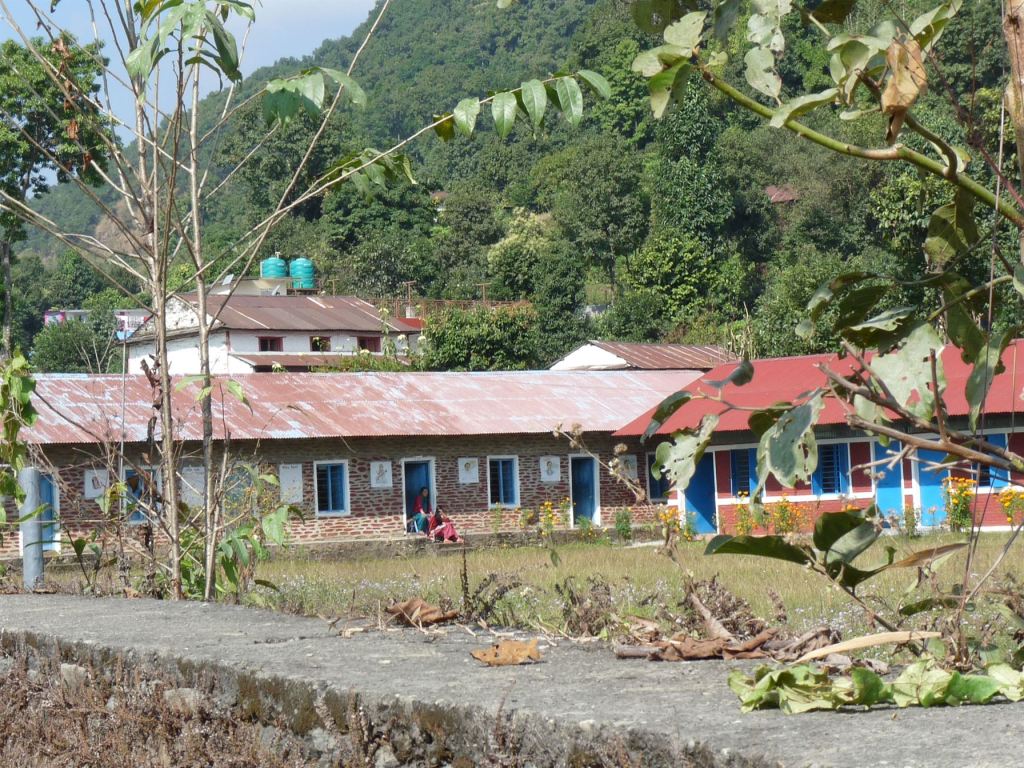
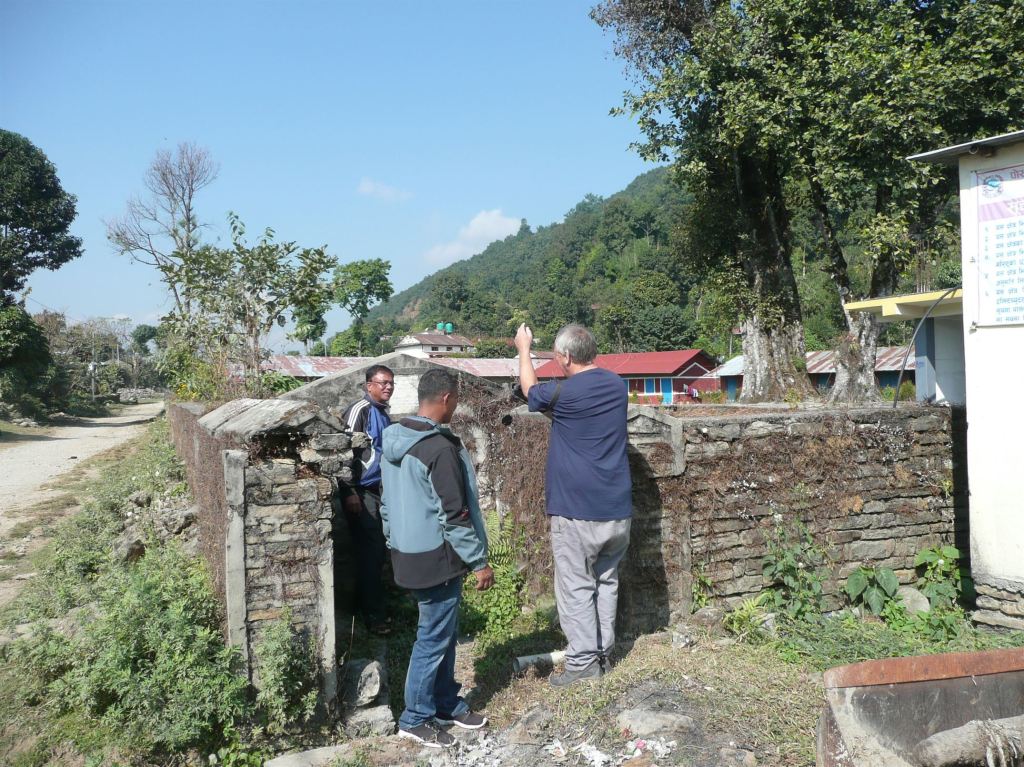
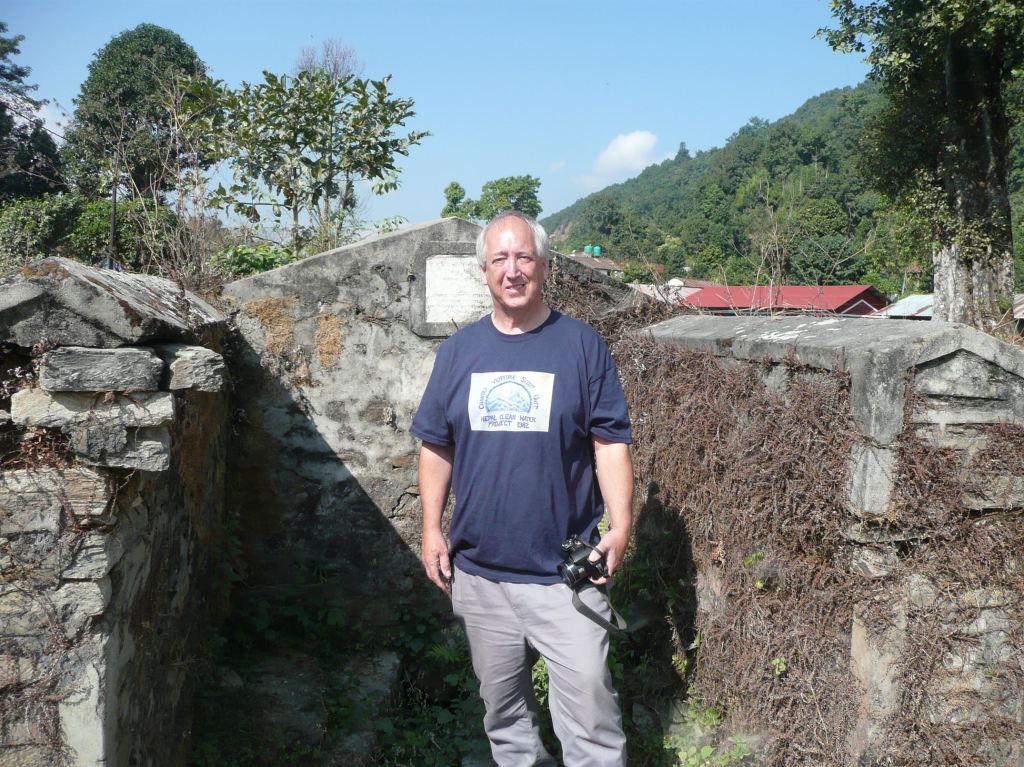
I was last in Balham village nearly forty years ago as part of a three month water supply project organised by Chantry Venture Scouts Unit and implemented with the help of the Scouts of Nepal.

Today I went back.

Balham Village Then

Forty years ago Pokhara was a small town and Balham village was a remote village a couple of hours or more walk away.

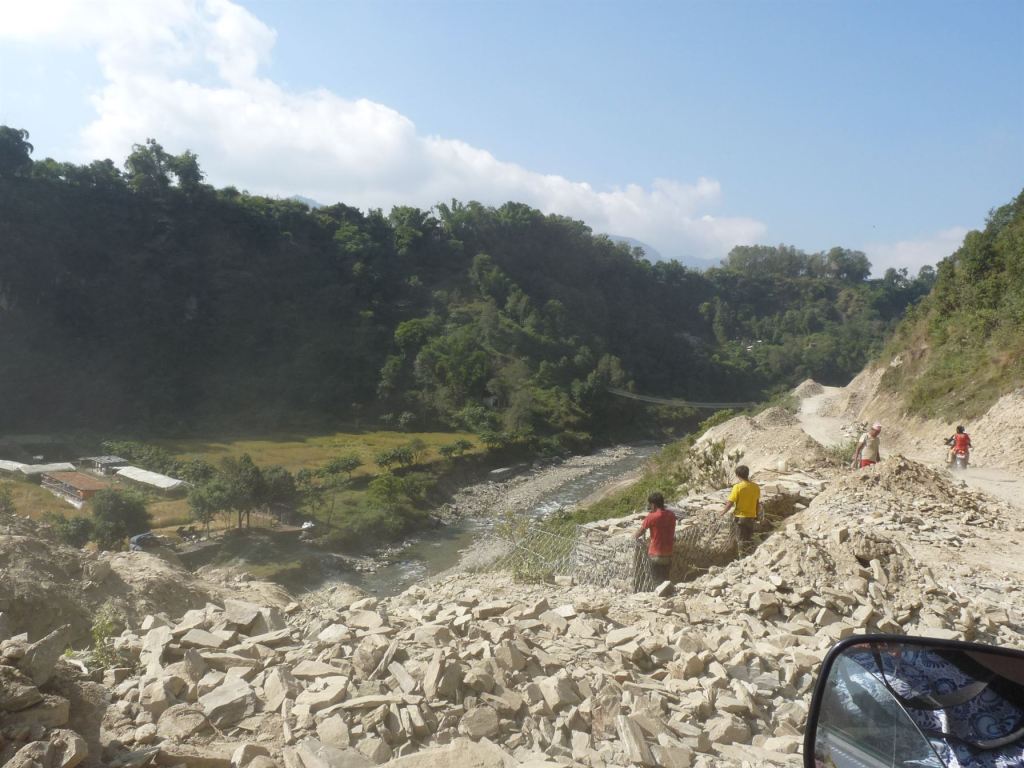
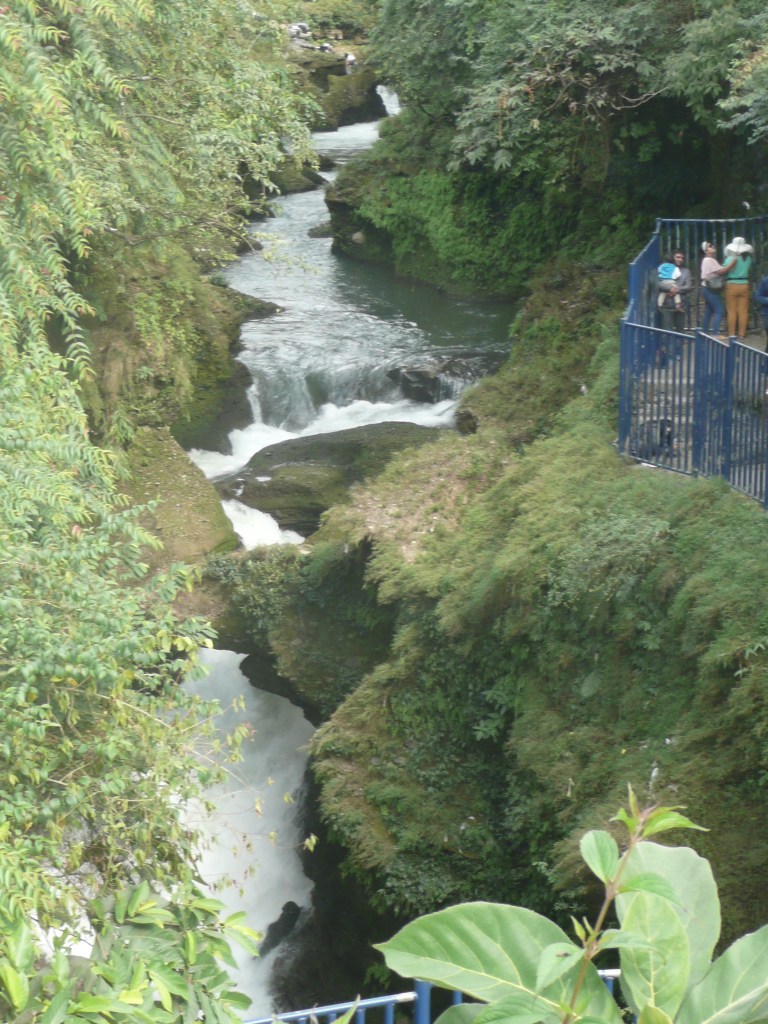
There were no roads and the only access was via a long walk down a gorge, over a dodgy bridge that had to be rebuilt after the monsoon floods each year and back up the other side. Everything, food, supplies, tools, a generator, fuel, all had to be carried in.

There was no water supply in the village and the women had to walk an hour or so several times a day to collect fresh water from a mountain stream whilst the men sat in the shade of the trees discussing important business.

With a lot of self-confidence, very little experience, the help of a do-it-yourself guide from the British Council and the support of Nepal Scouts, we designed and built a water supply system which included:

  • a top reservoir to collect the water from mountain stream as it emerged from the rocks,
  • an intermediate reservoir to reduce the head of pressure down the mountain,
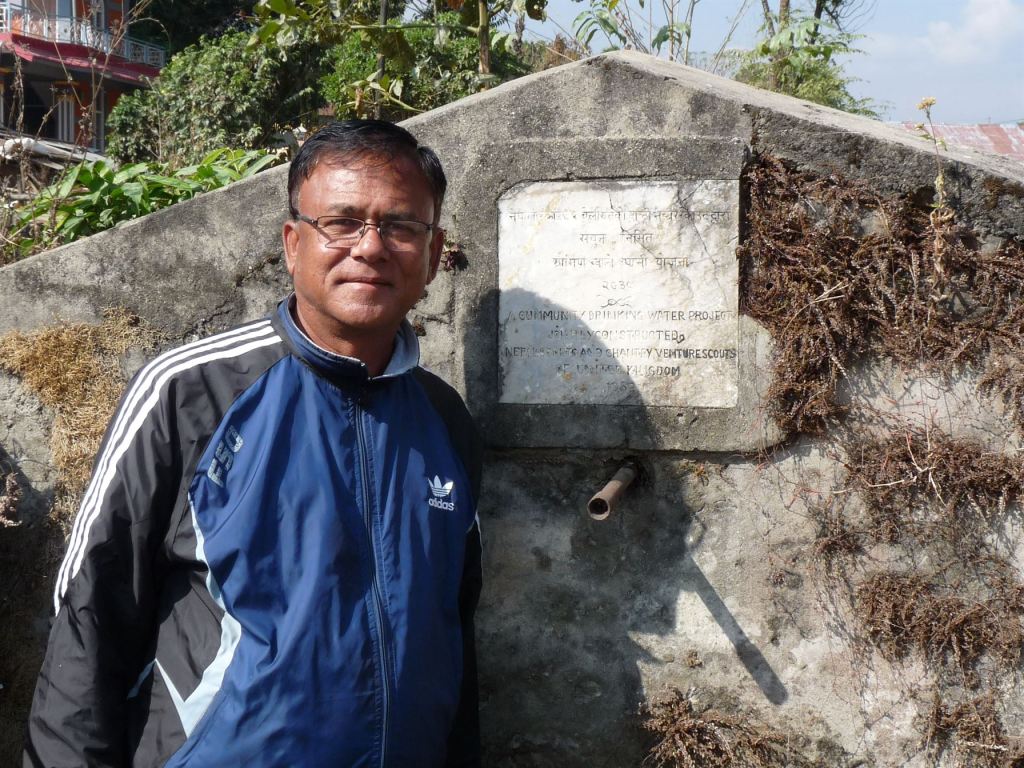
  • a single tap in the centre of Balham village a mile or so away from the source.

Our expedition medical team provided clinical services for the area. We also introduced a new form of wood burning stove that reduced the amount of wood needed and the smoke produced.

Balham Village Now

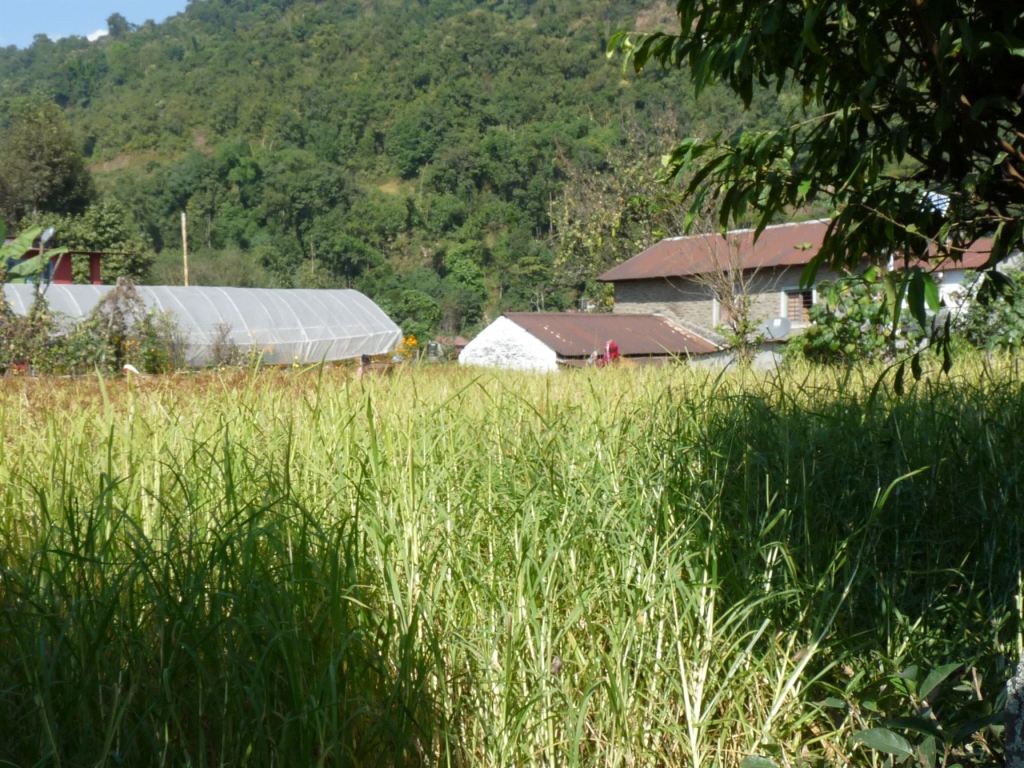
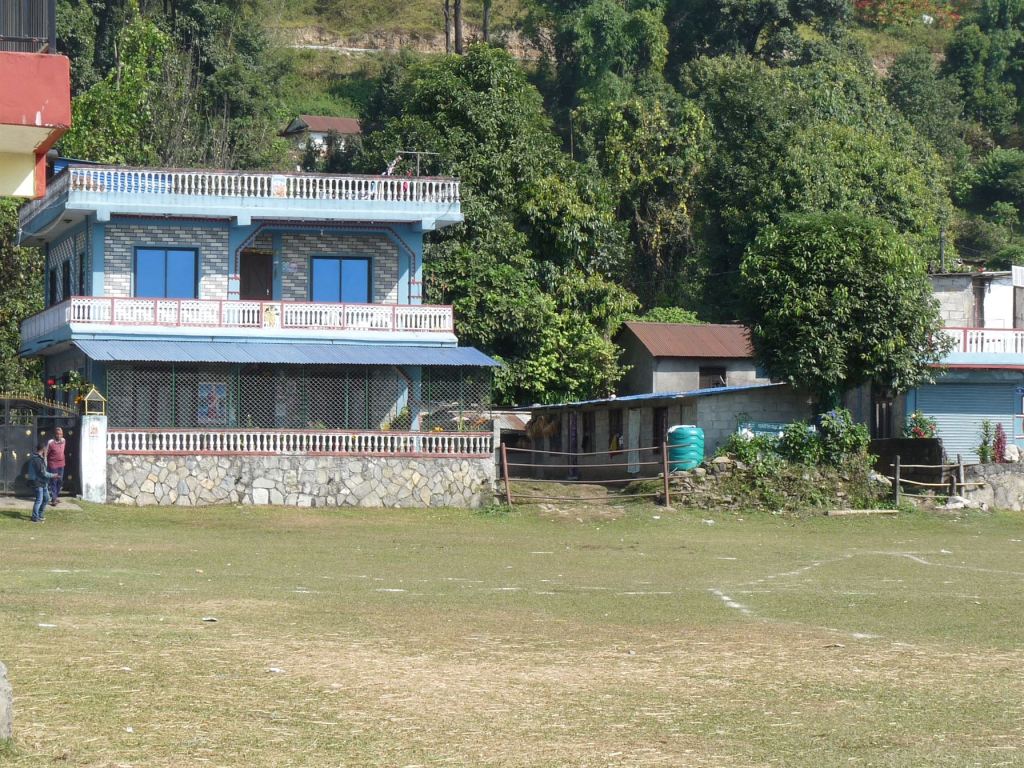
The village has grown along with Pokhara. As it grew, the water supply we installed was insufficient to support the growing needs of the village and the army installed a new pipeline from a different source.

To do so they had to build a road of sorts and the area now has electricity, a larger water supply – and water meters.

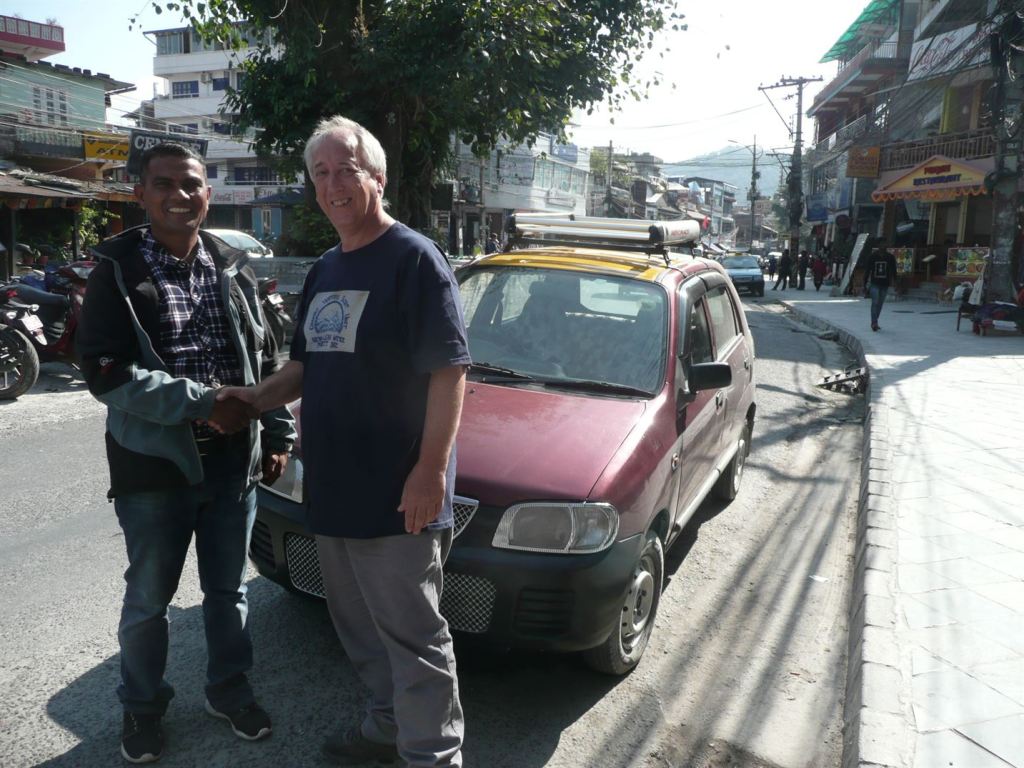
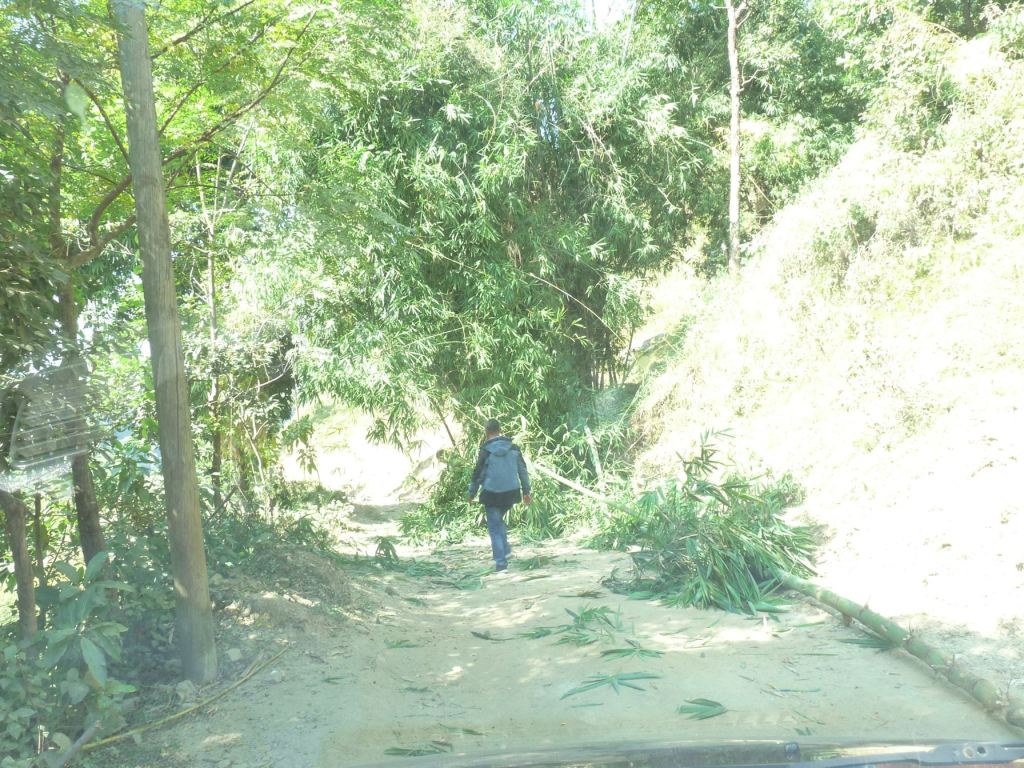
Despite the road it is still out of the way. Our driver had to work hard to find the right location.

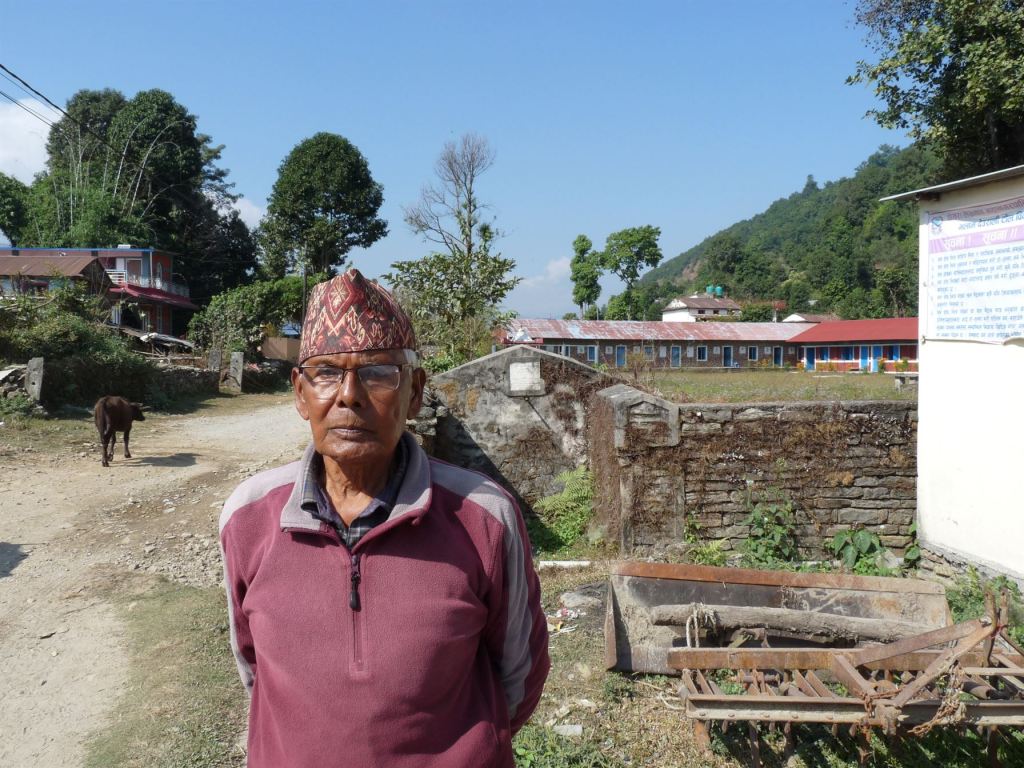
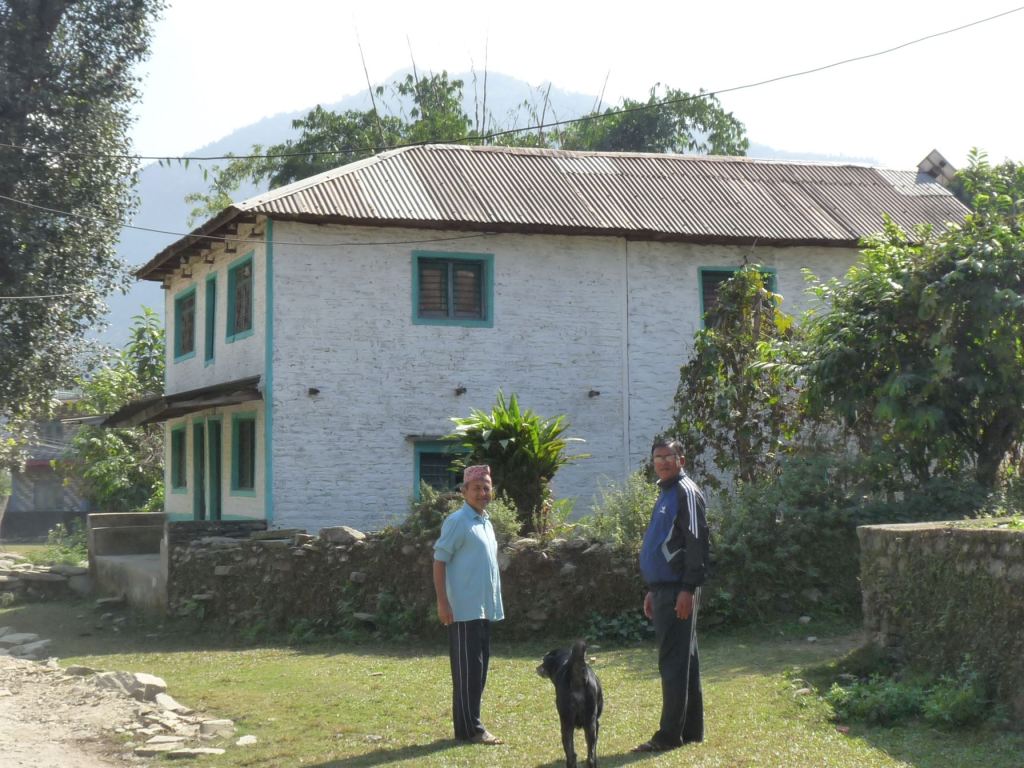
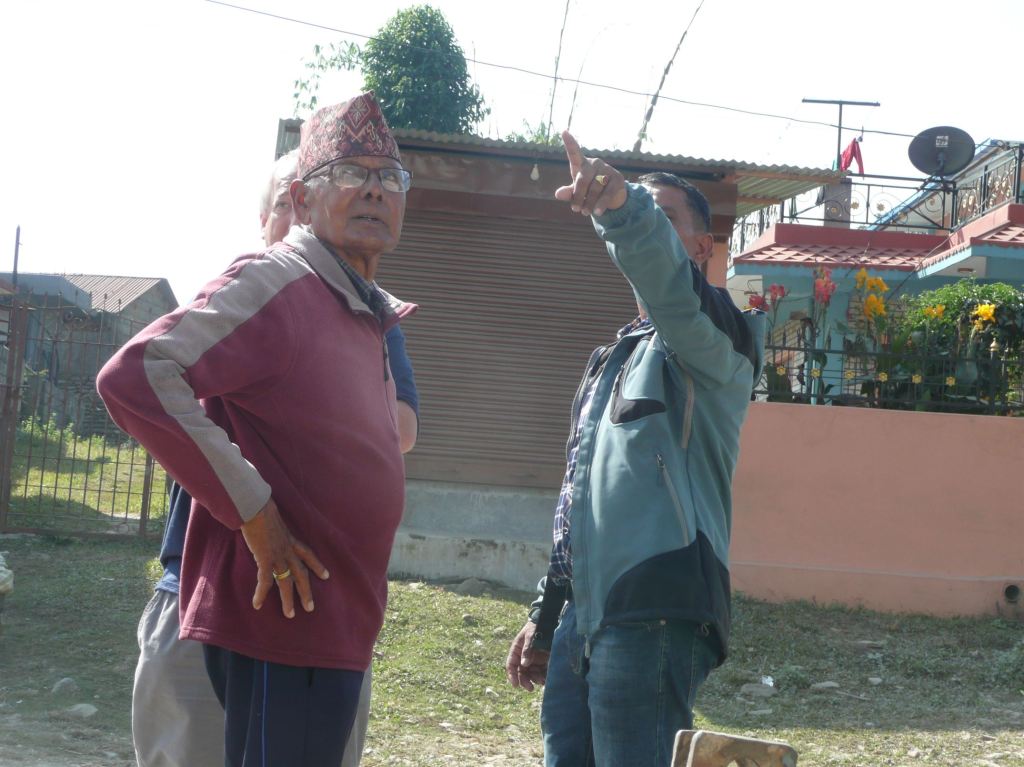
When we got to the village, we found a number of people who remembered the project.

The talked with some fondness about the ‘unity project’, the friendliness of the British people who had been there and how we didn’t like buffalo milk.

The village tap that we installed is no longer in use and the tap on the supply pipe has been recycled elsewhere. But that’s not as disappointing as it sounds.

When the army installed the larger supply for the village, the villagers diverted the supply we had installed to the school building we stayed in. So the system is still providing a useful source of water to this day.

Other People Have Fond Memories Too.

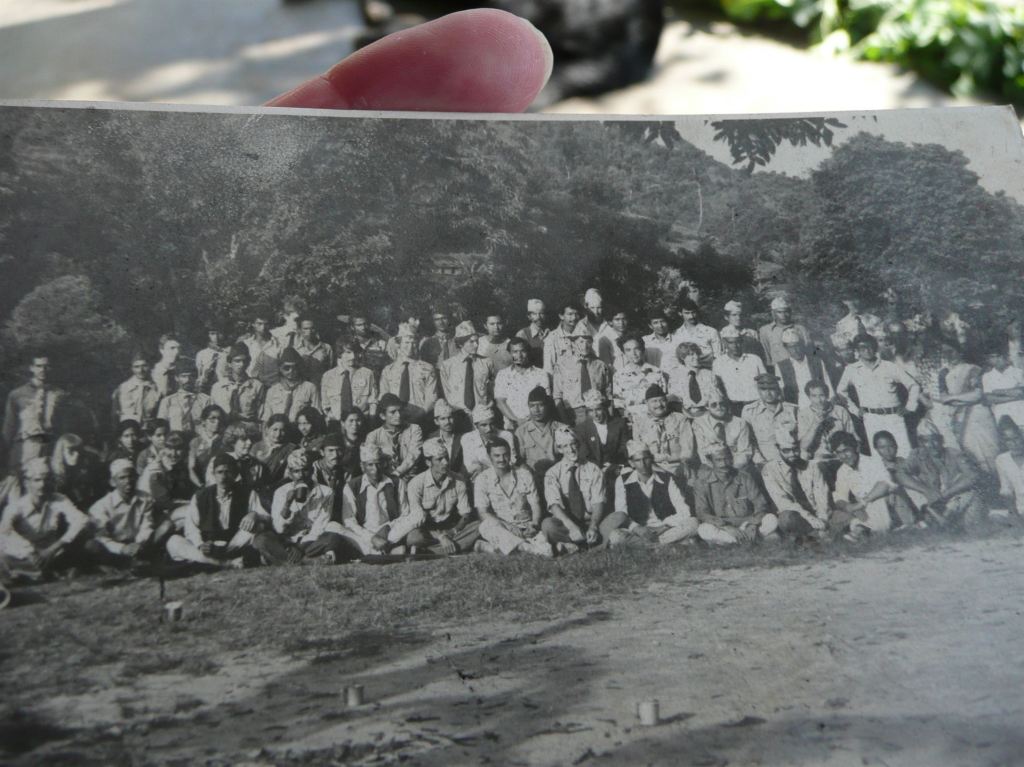
One of the villagers we spoke to had very fond memories of the project and still has a photo of everyone on the day the system was turned on for the first time. Dave is on here if you want to try and find him.

Saturday, 16th November 2019 – Pokhara

I love the way the earth rotates. It really makes my day.

We discovered in Kathmandu that it was worth taking a tour to get a feel for the city so we did the same in Pokhara. For around £40, you can hire a care and driver for the day and do the main tourist spots of the city.


Saramkat

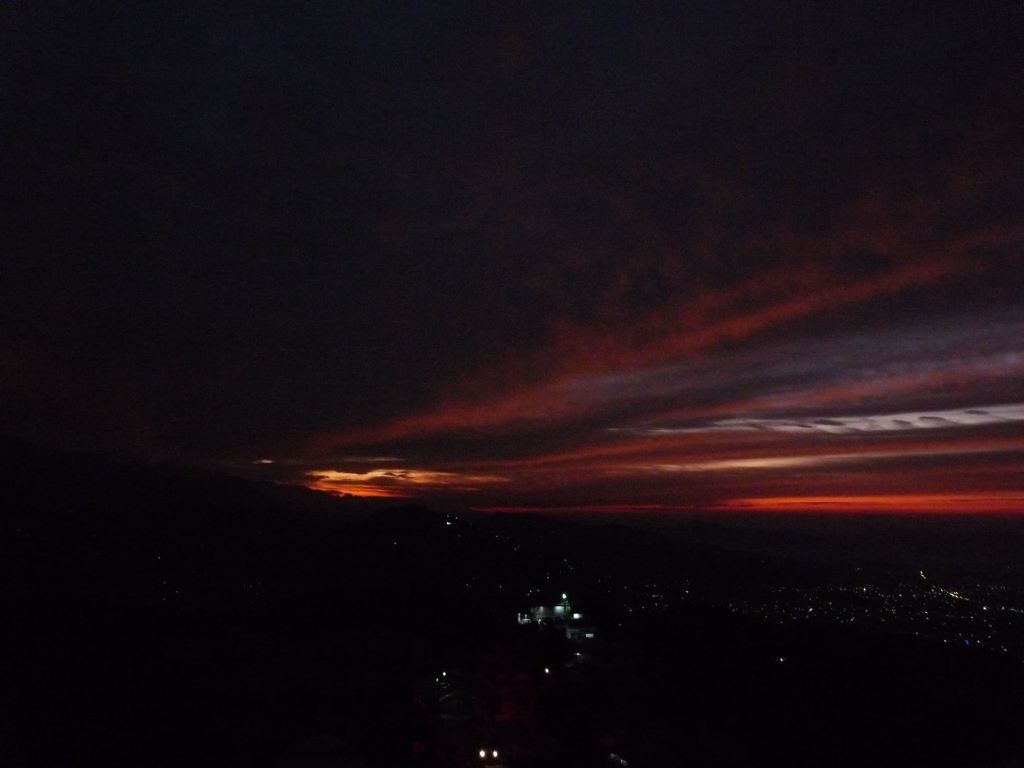
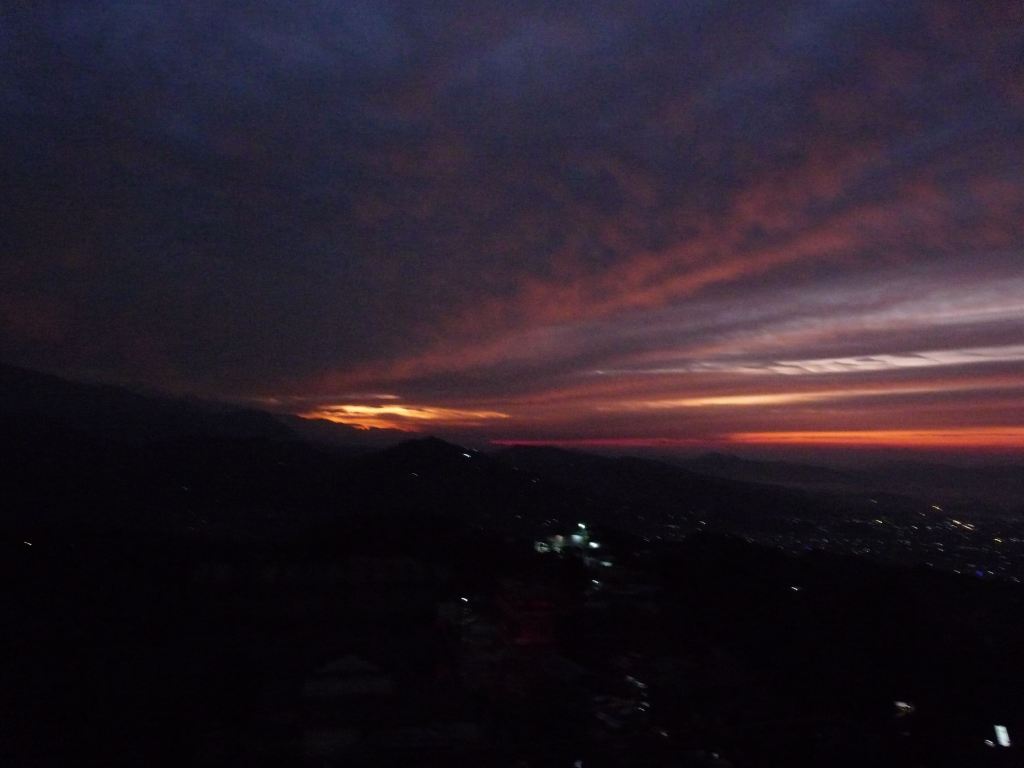
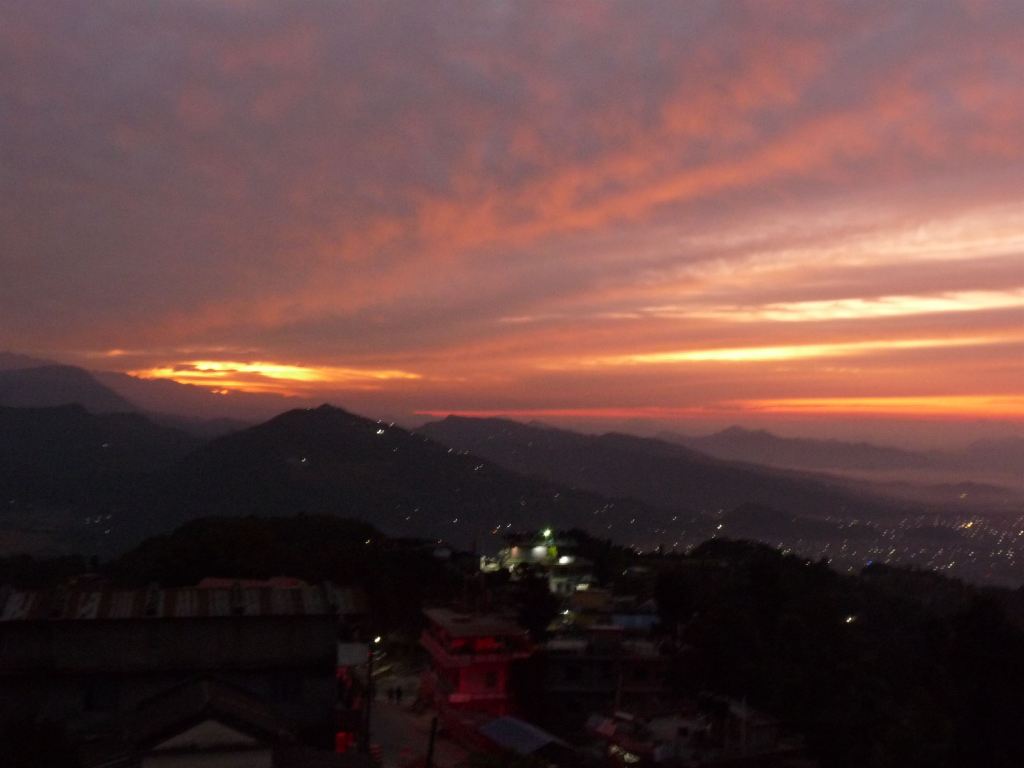
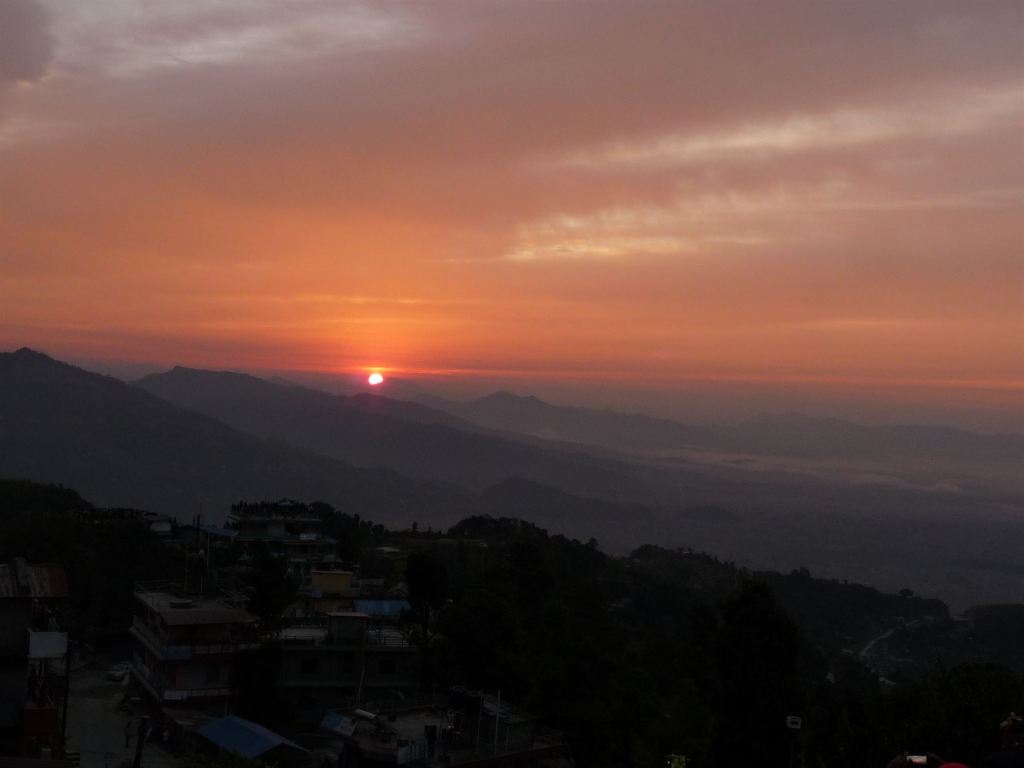
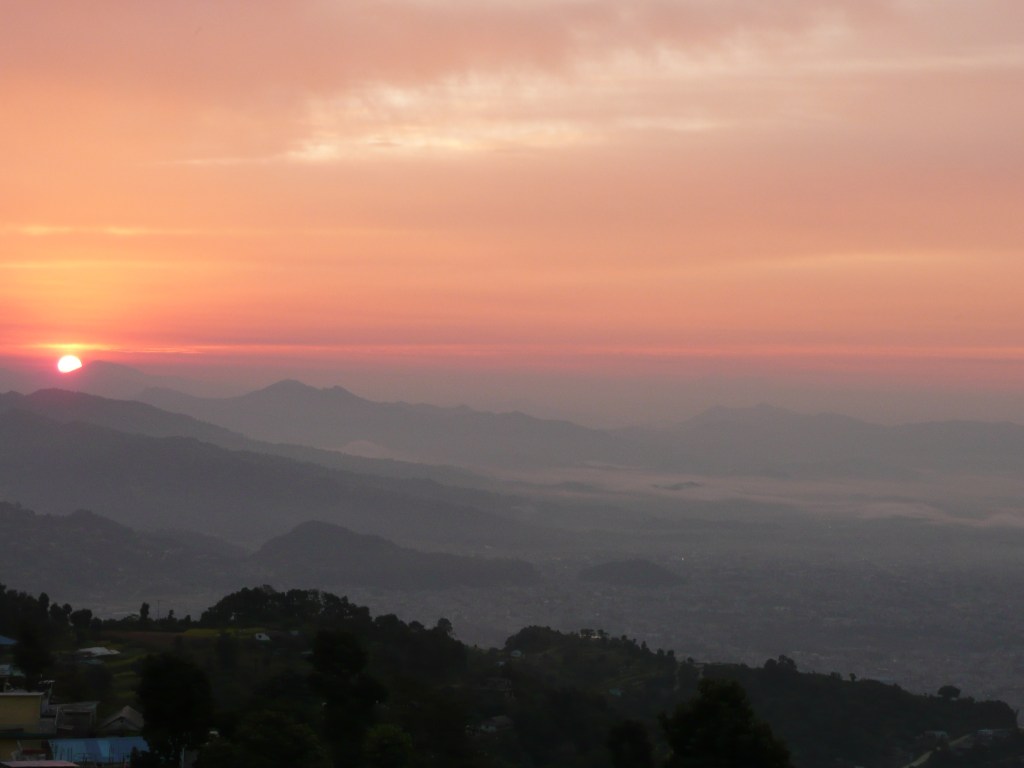
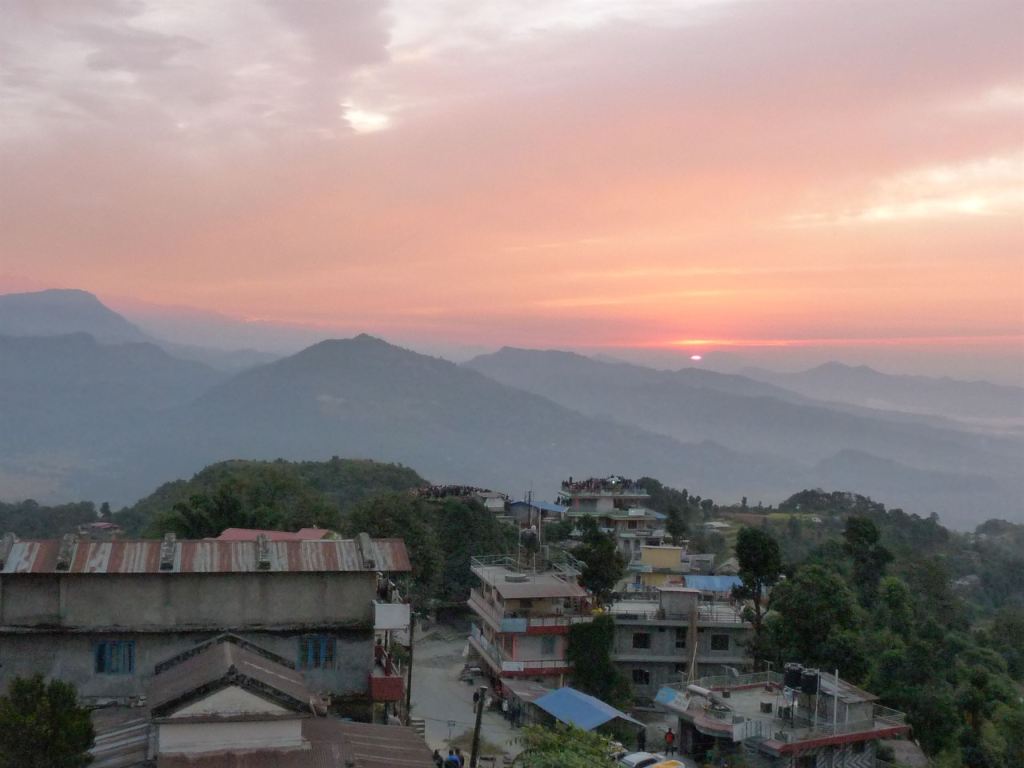
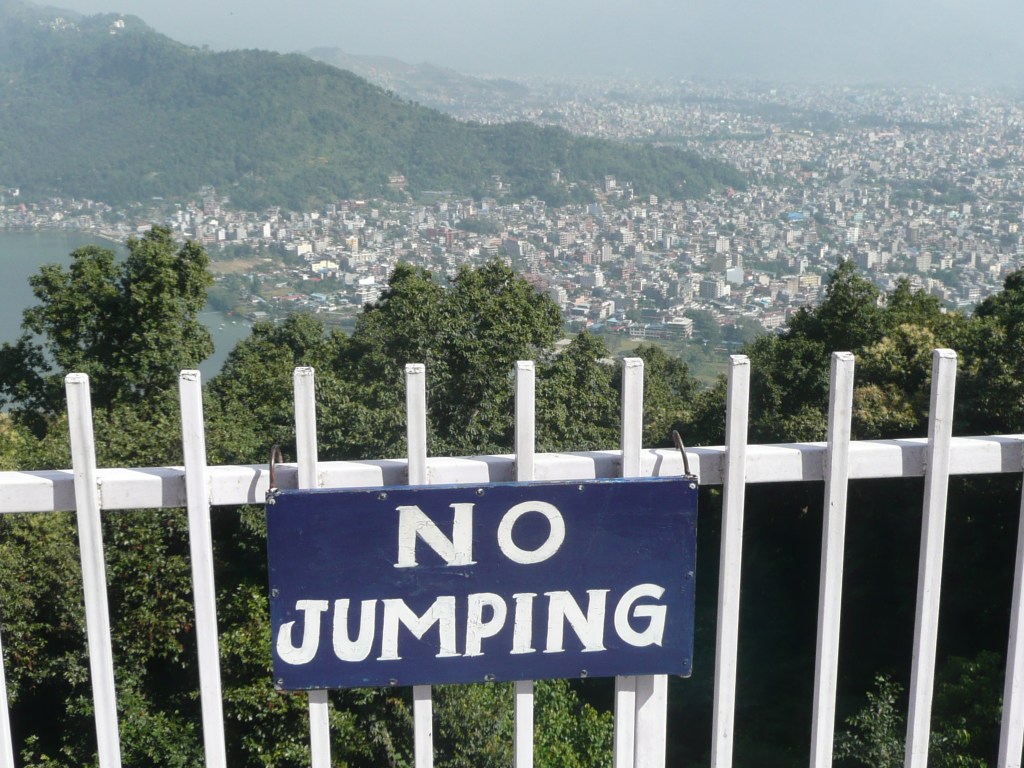
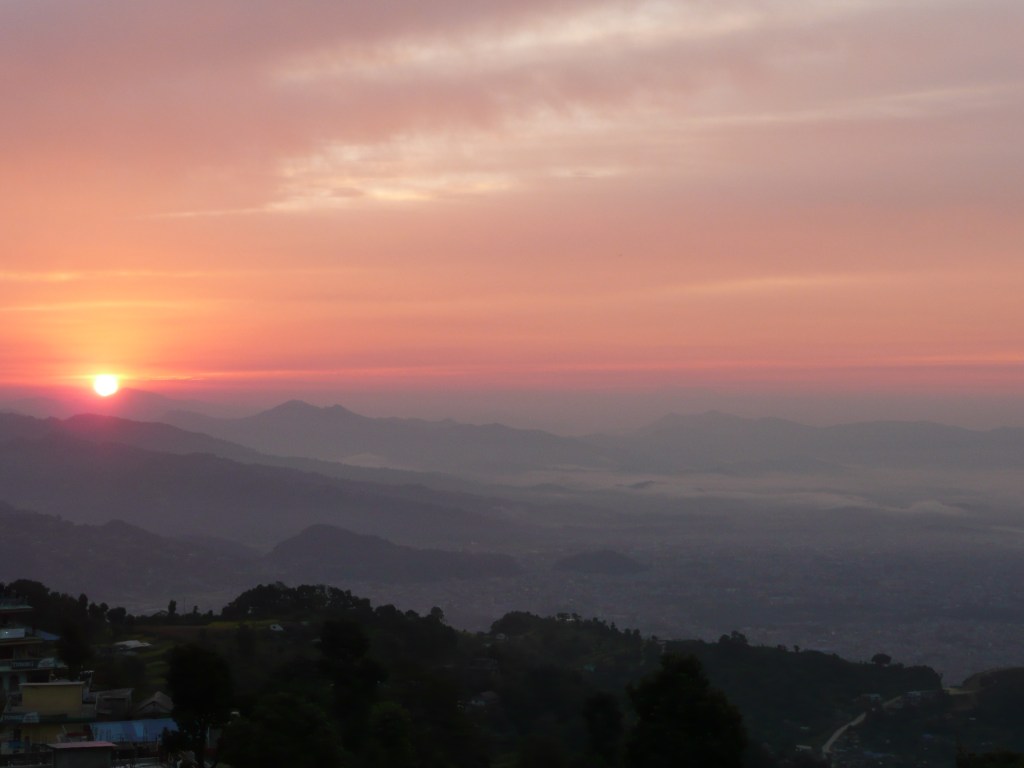
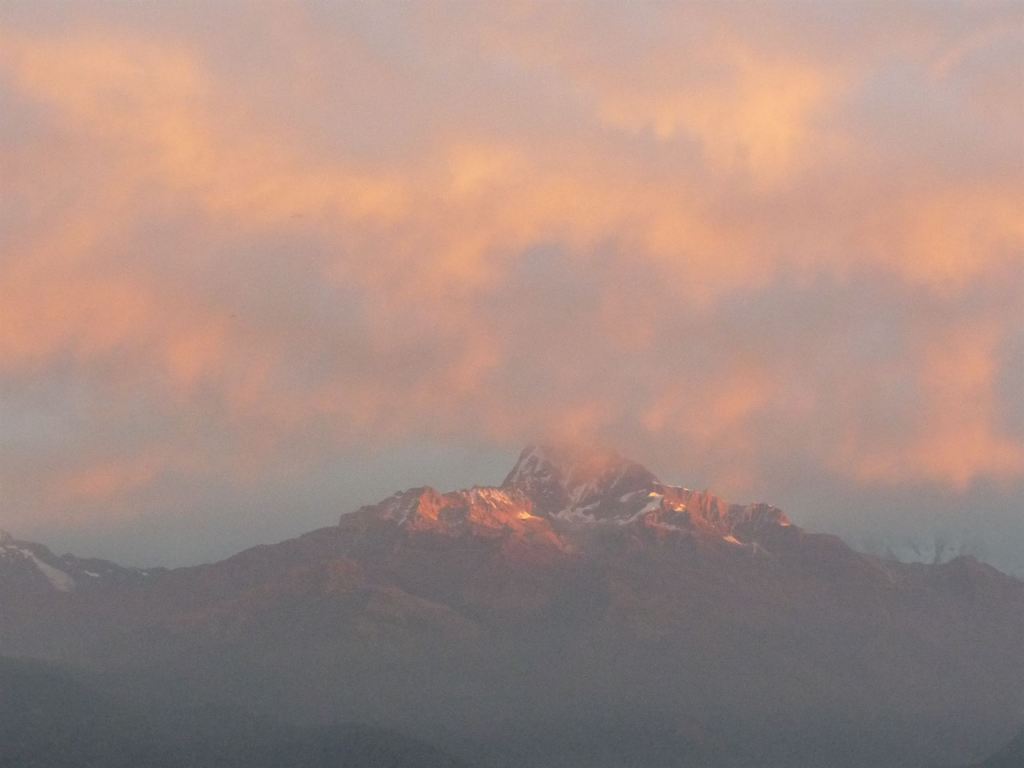
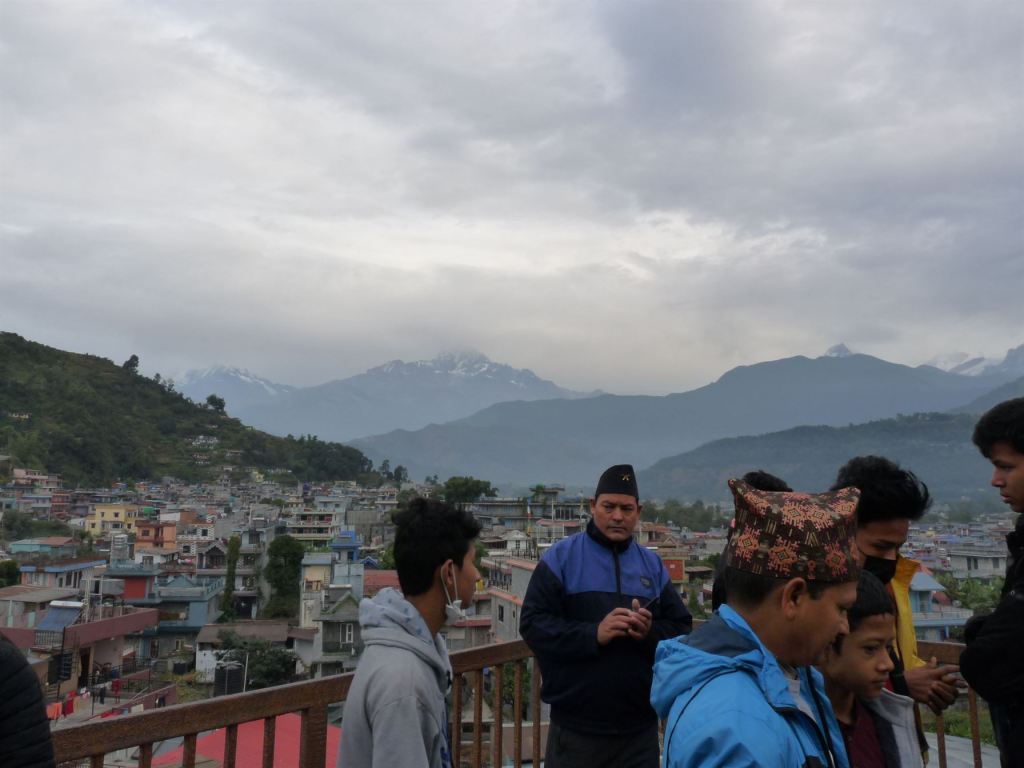
What better time to get up on holiday than 4.30am? We started the day by heading to the highest spot in the area to watch the sun rise over the Annapurna range.


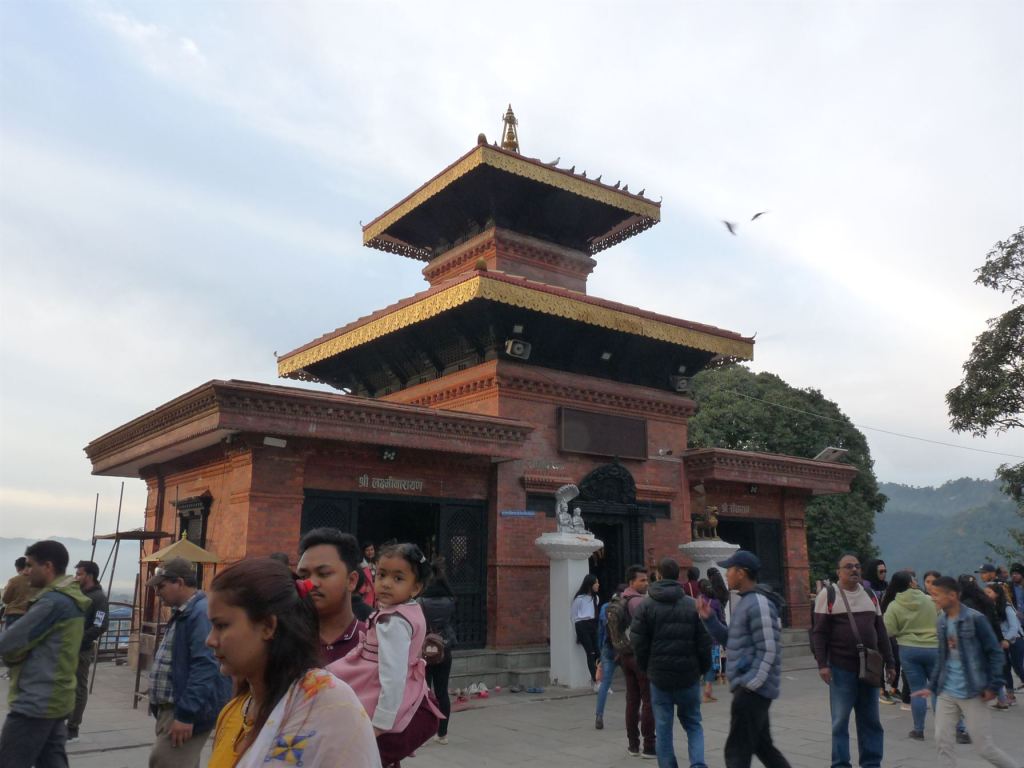
Binda Basini Hundu Temple

I don’t know what it is about temple builders but they do like to put them on top of a hill.

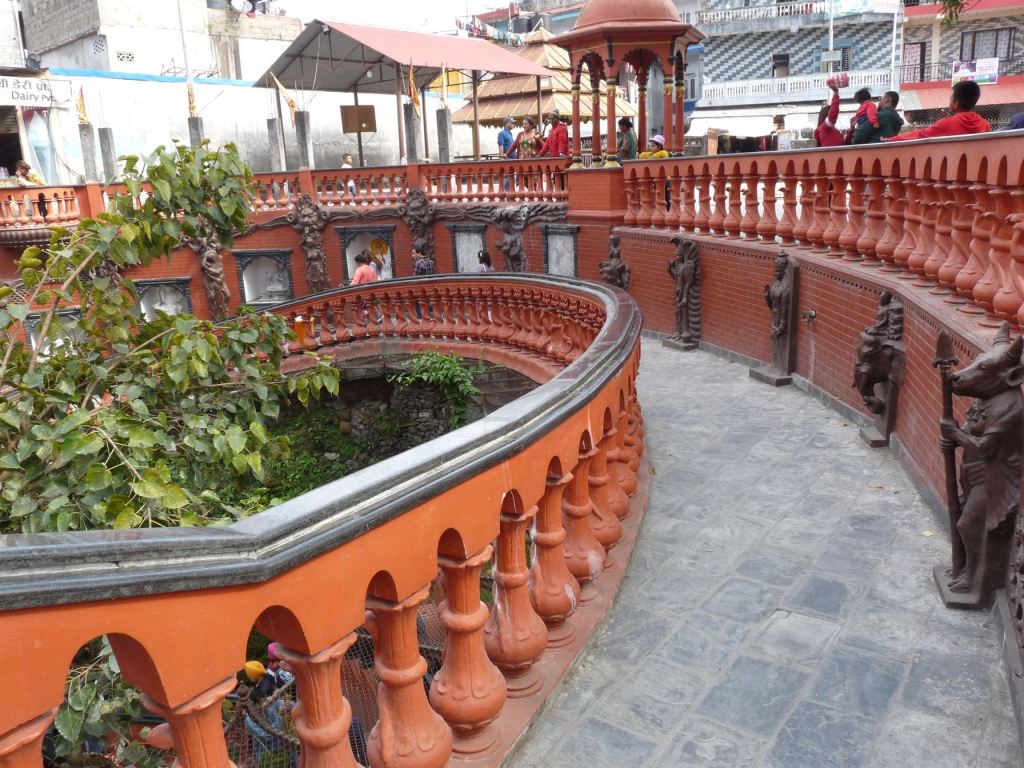
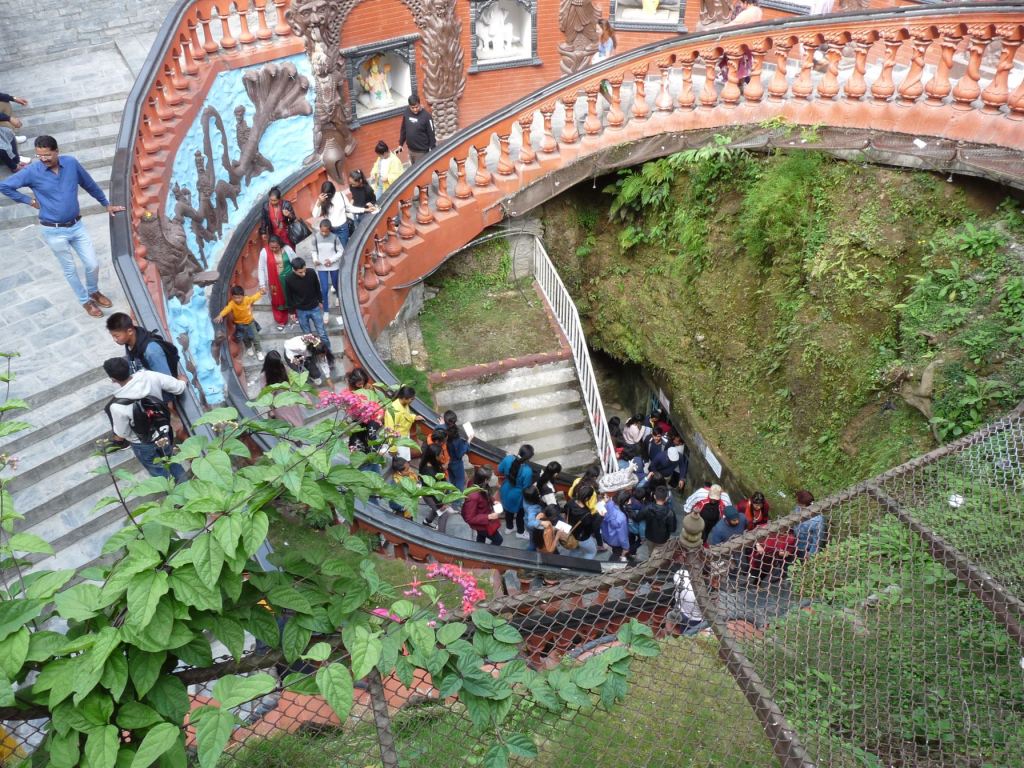
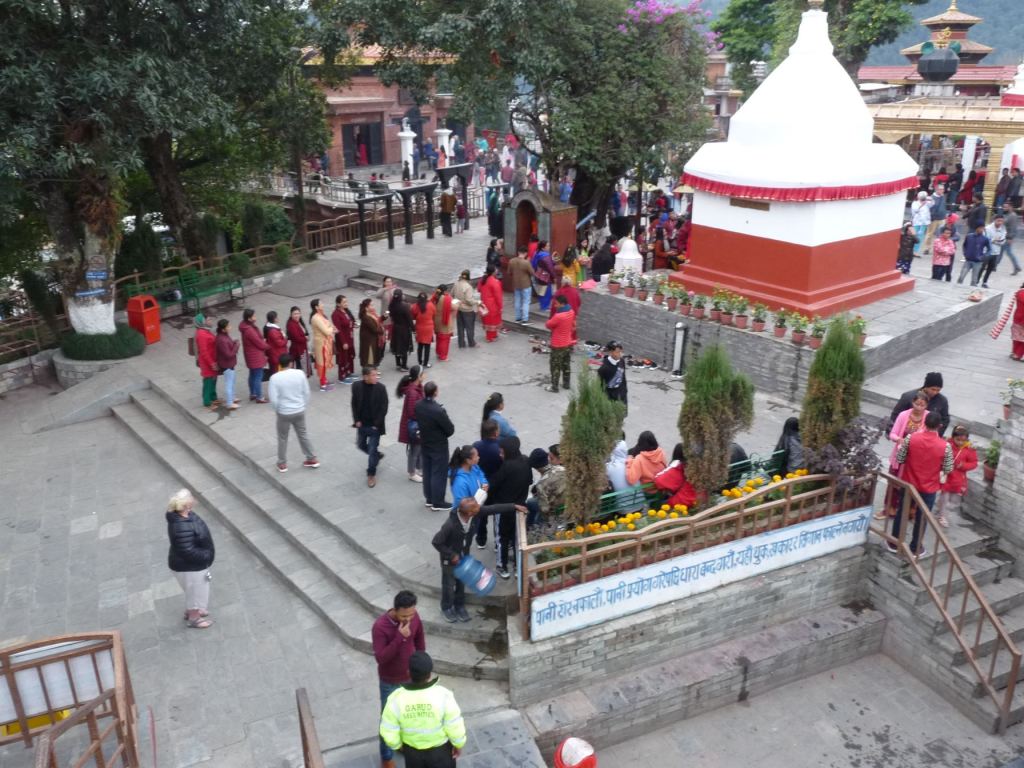
The Binda Basini Hindu site is no exception That doesn’t put people off. There was a long queue for those wanting to pray at the temple .


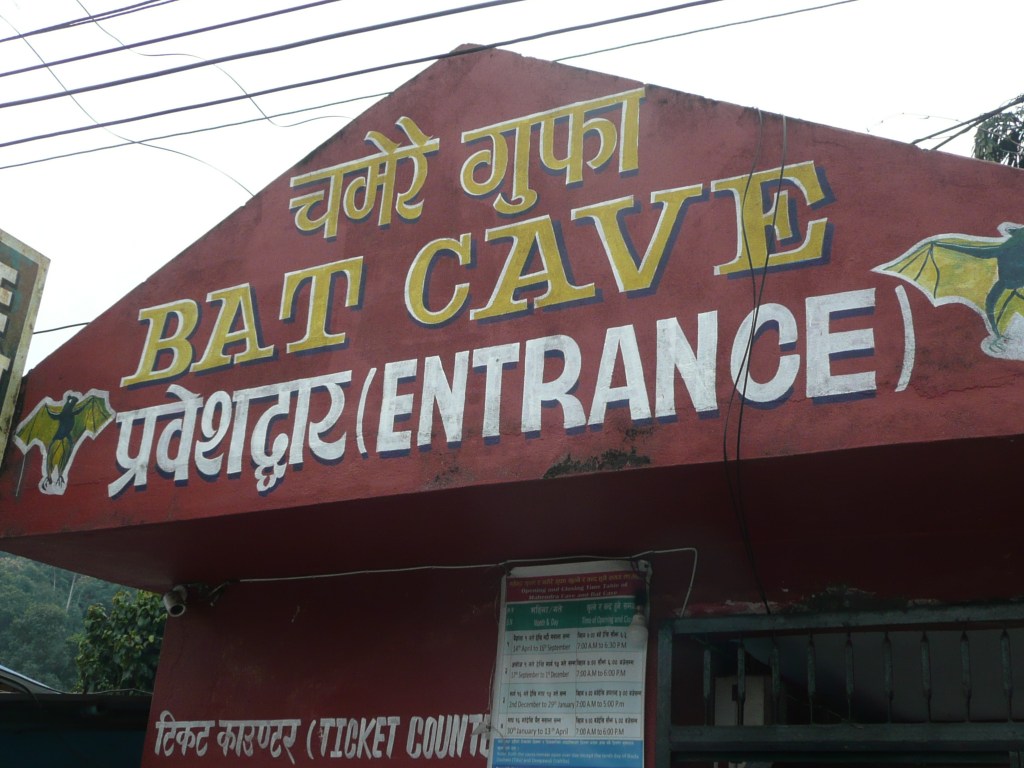
The Bat Cave

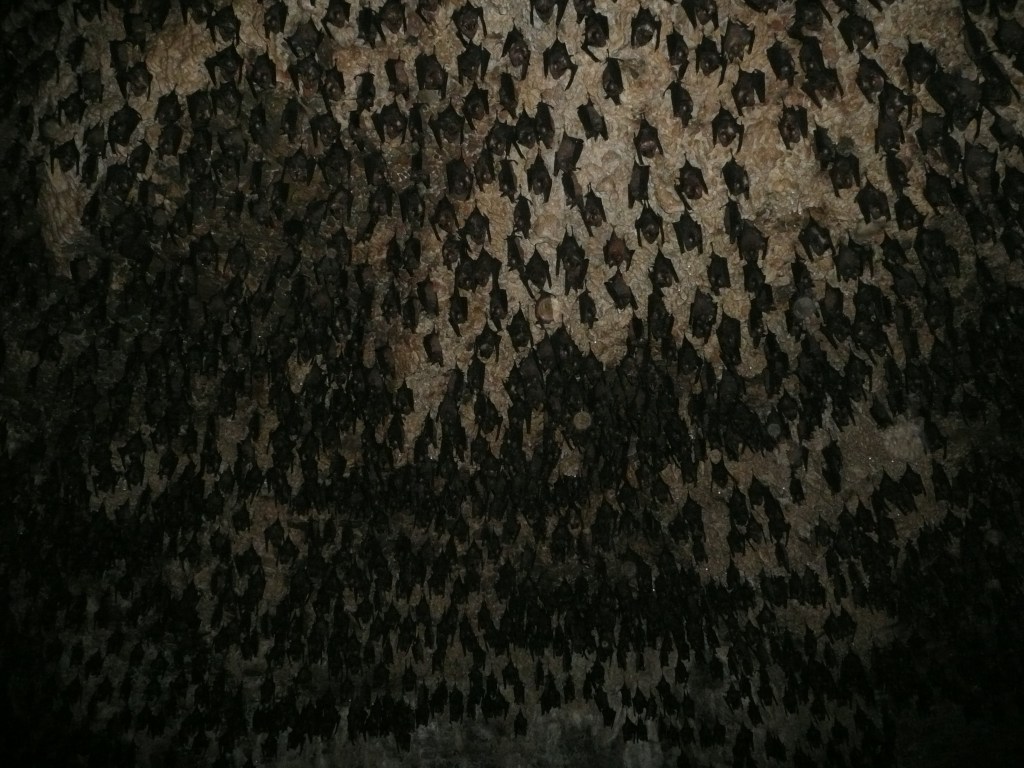
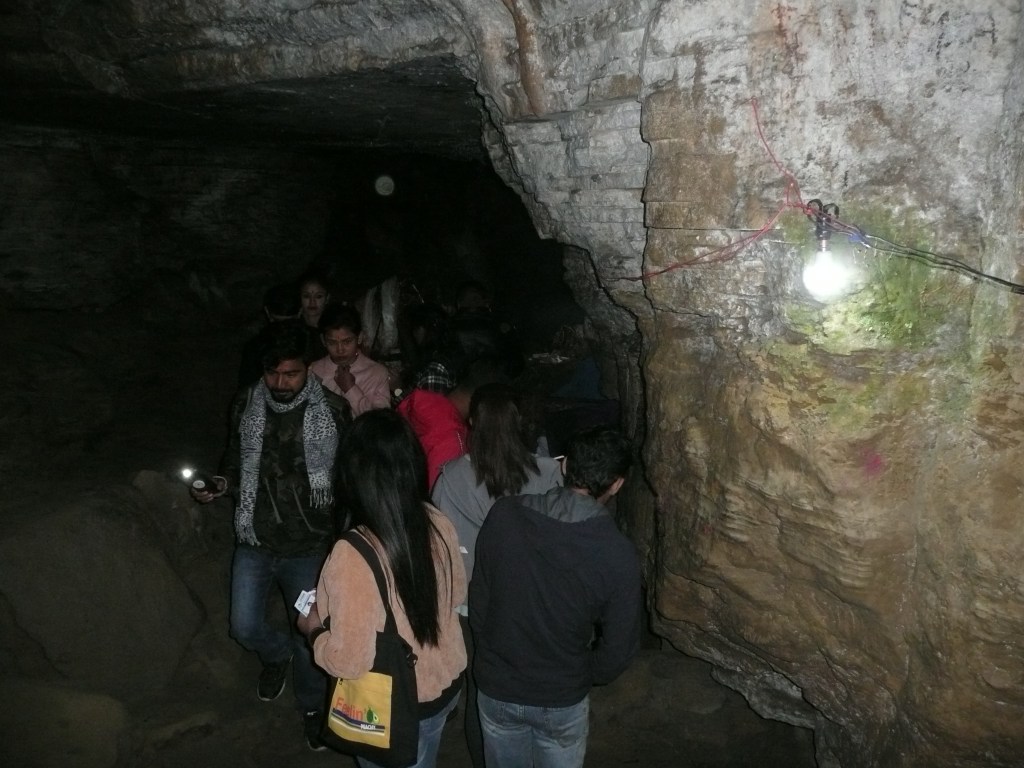
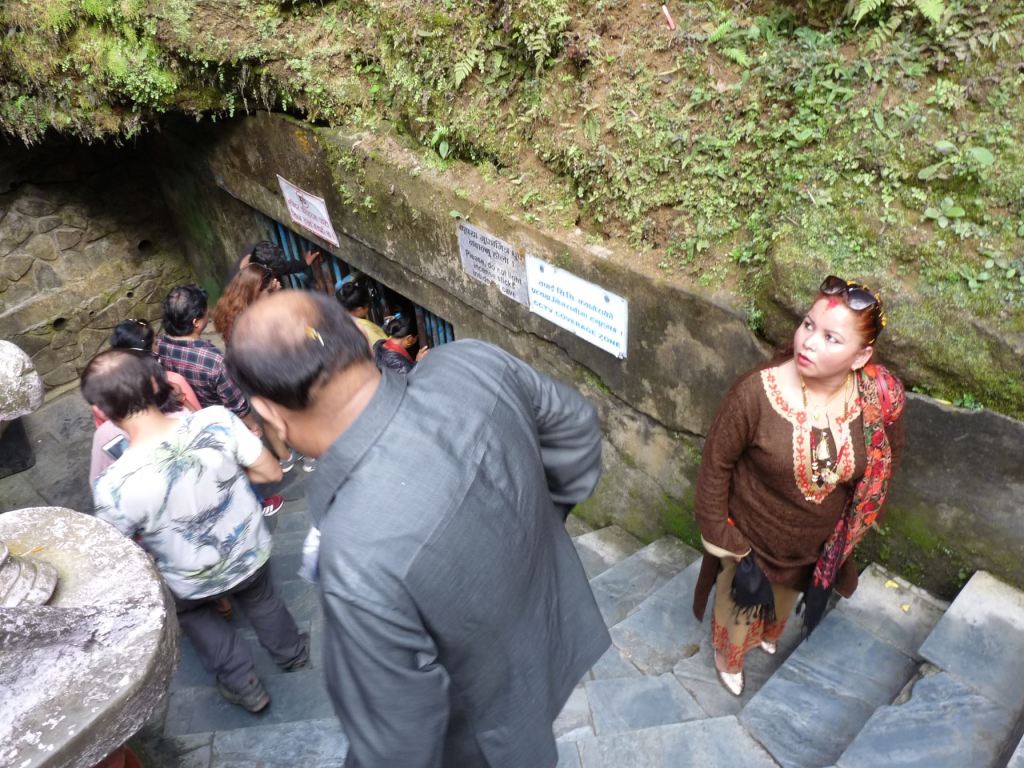
Thee was no sign of the Caped Crusader but there were 30,000 plus bats contributing to a slippery, slimy, rocky walk in.


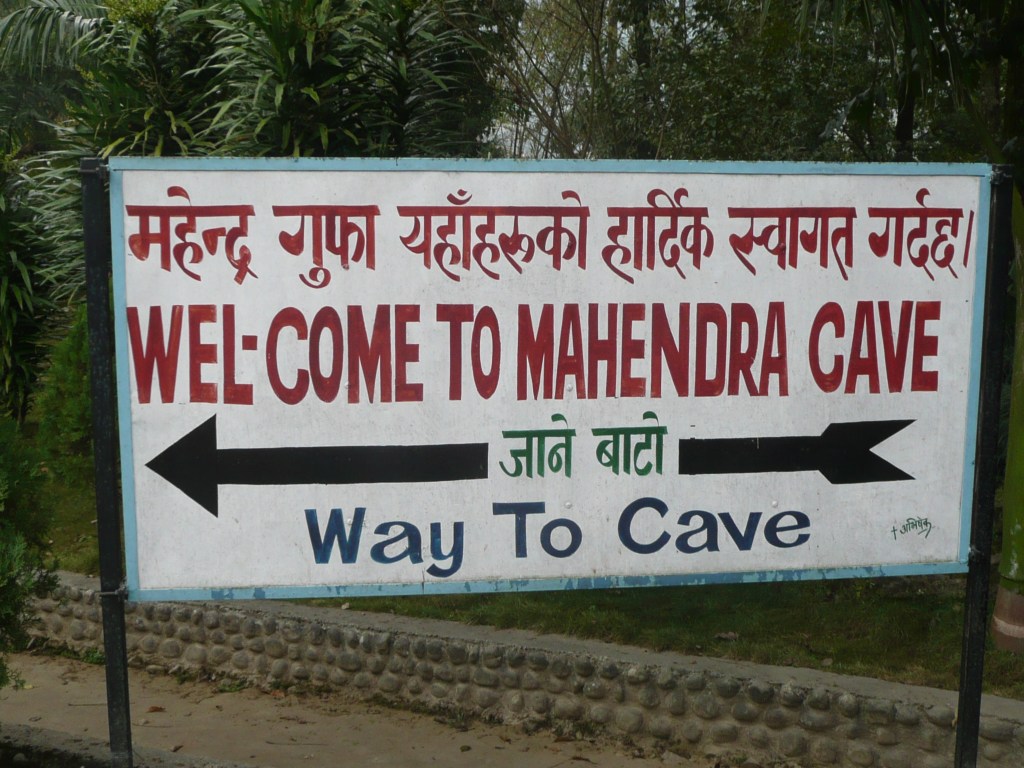
Mahendra Cave

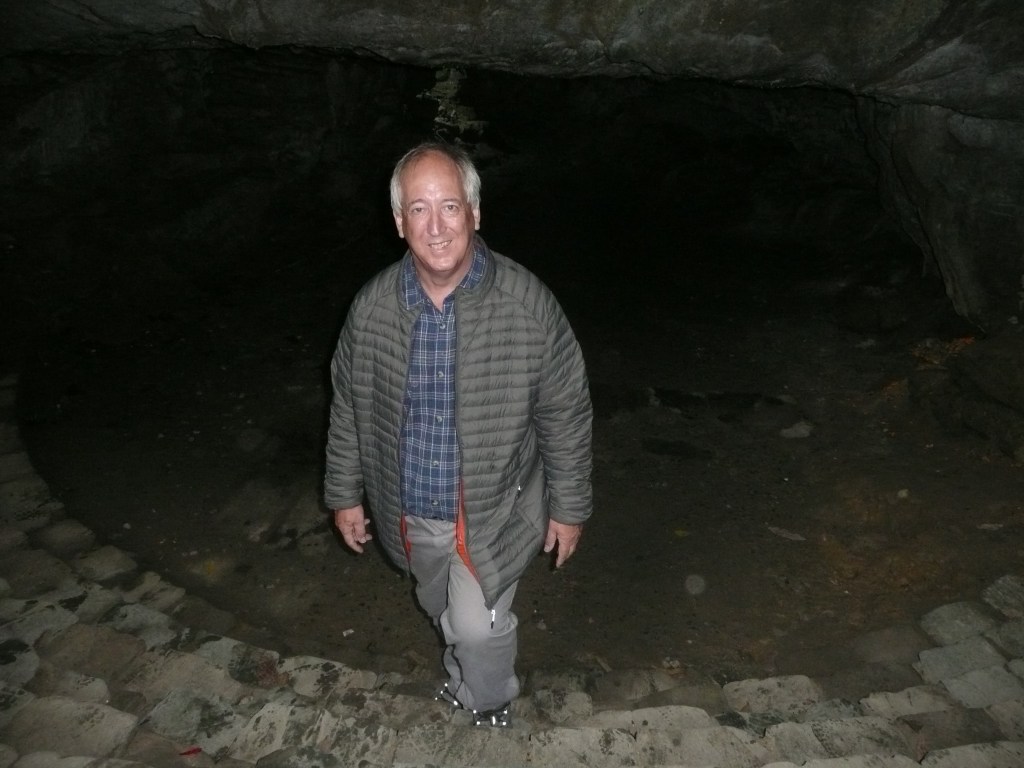
A fairly boring cave.


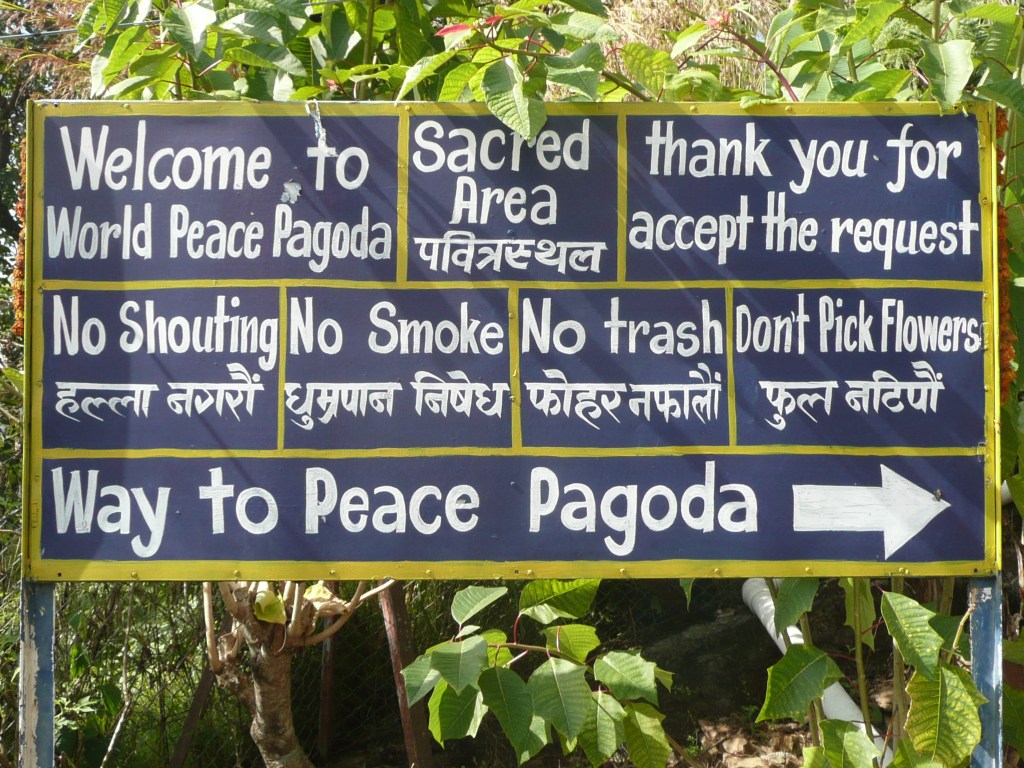
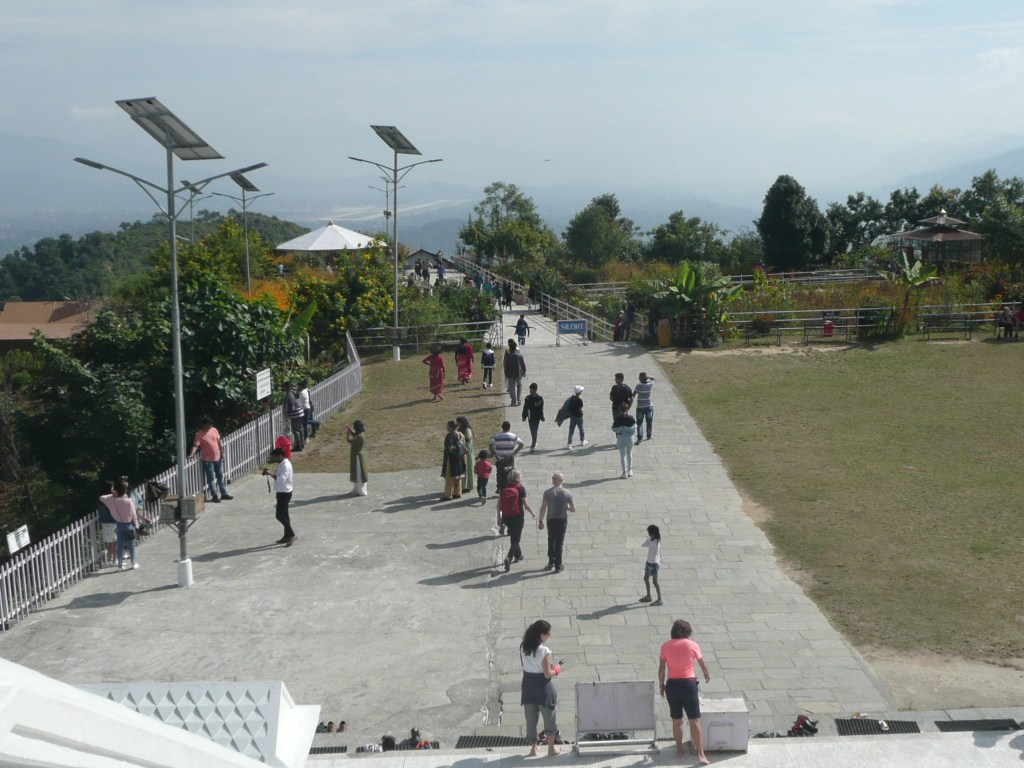
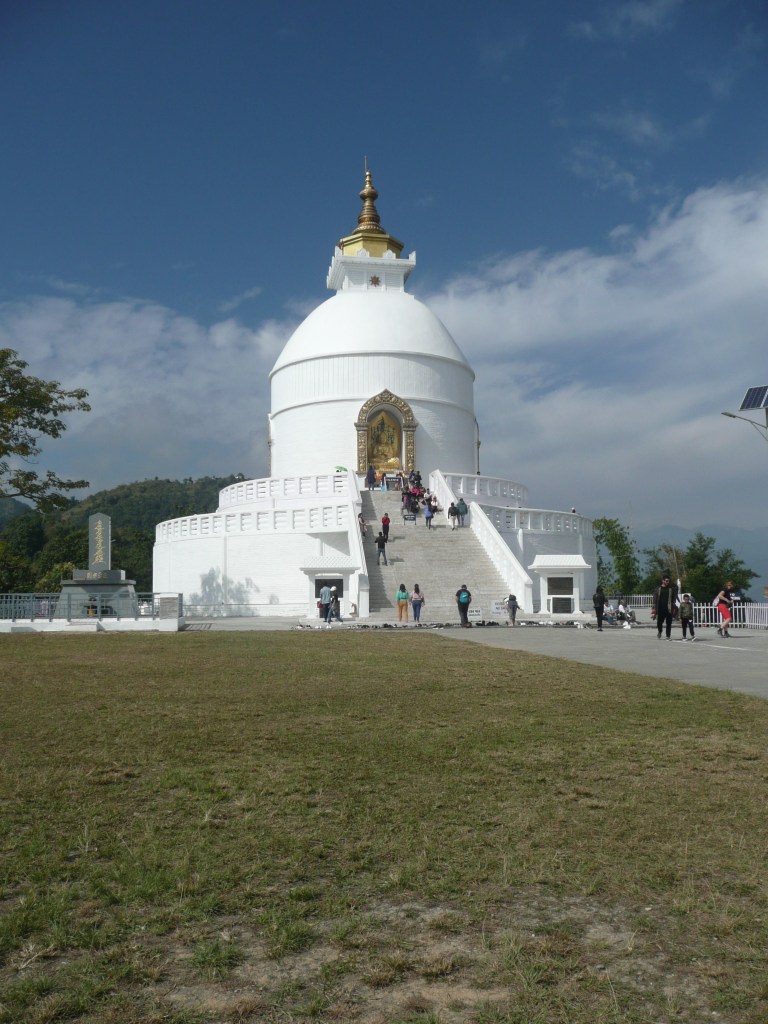
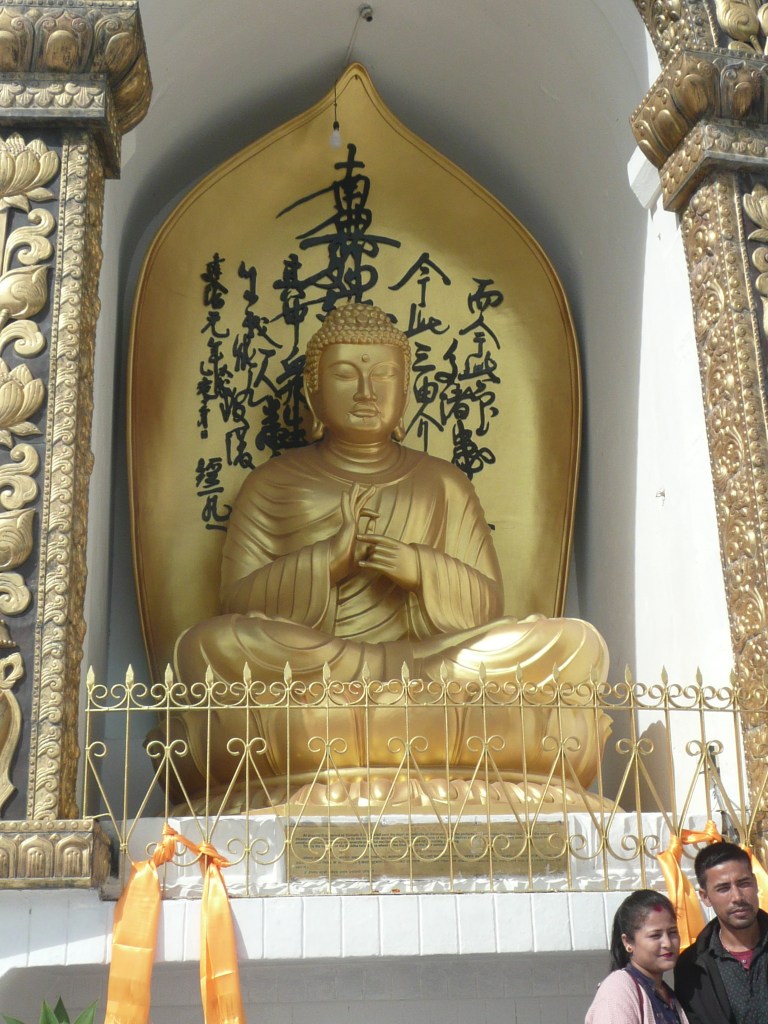
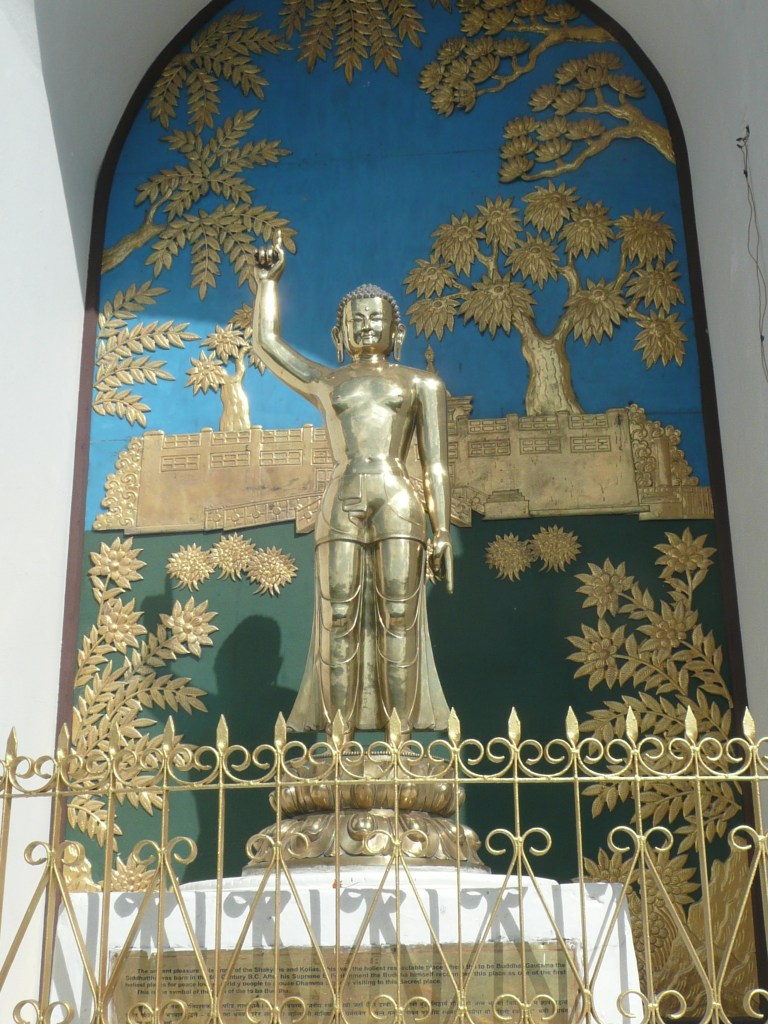
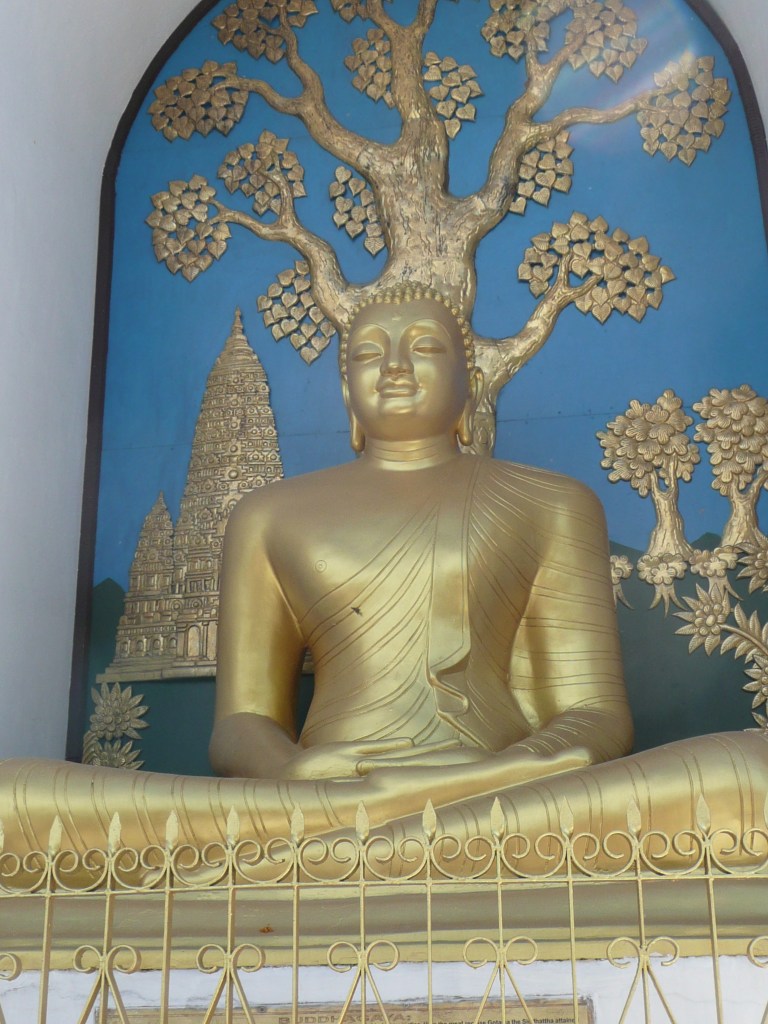
The World Peace Pagoda

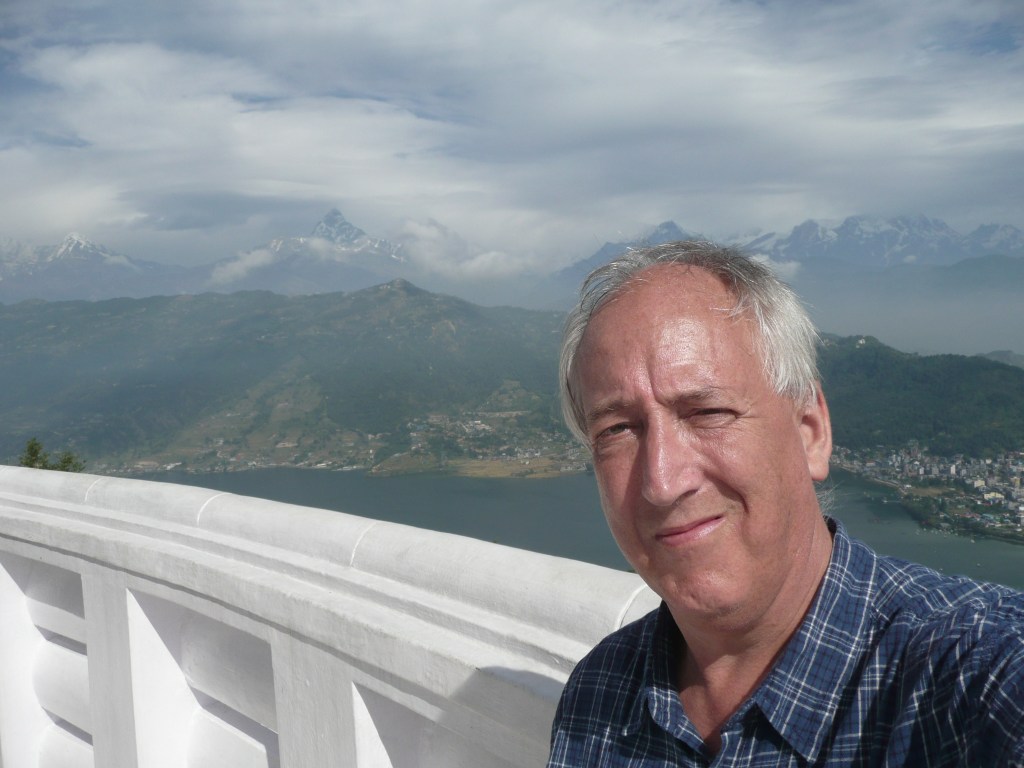
The Buddhist Peace Pagoda sits at 1,100 meters above sea level. The car park very much doesn’t. What makes it a Peace Pagoda is that no-one has the energy to do anything but sit down and reflect once they reach the top.


Other Bits and Pieces

Friday, 15th November 2019 – Kathmandu to Pokhara

Planes are better than buses

Forty years ago I spent around ten hours on a bus to get from Kathmandu to Pokhara, Nepal’s second biggest city. At the time I was suffering from a serious case of Kathmandu quickstep so it was a highly stressful journey.

This time we flew down with Yeti Airways in just twenty five minutes – a much more pleasant experience.

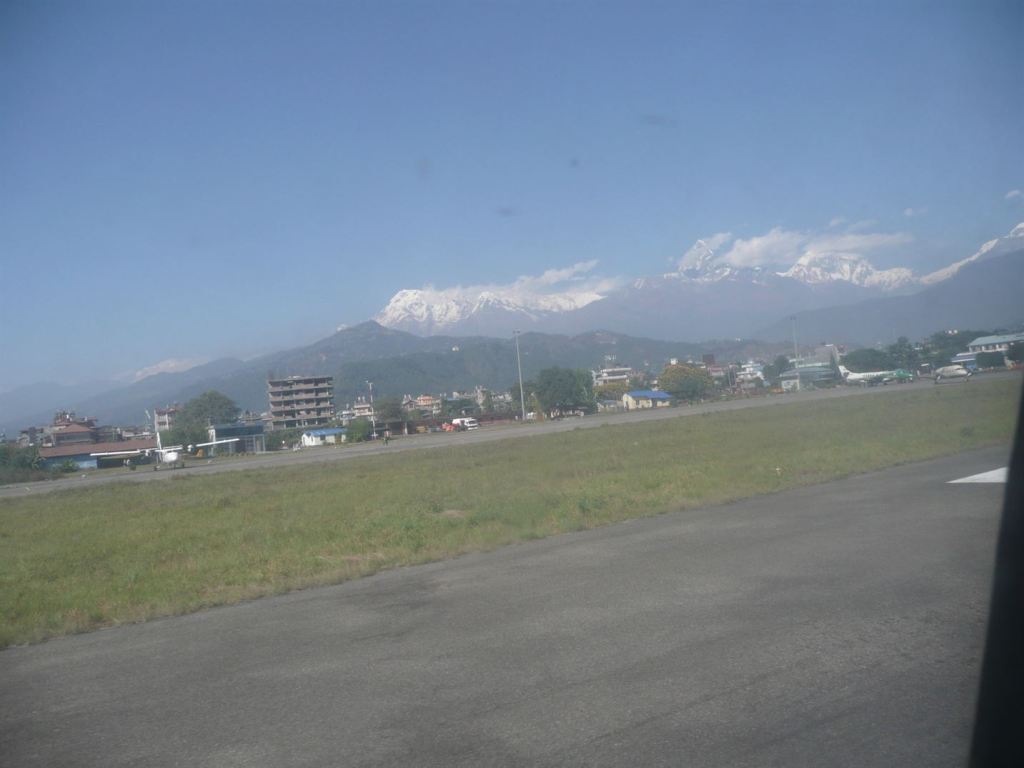
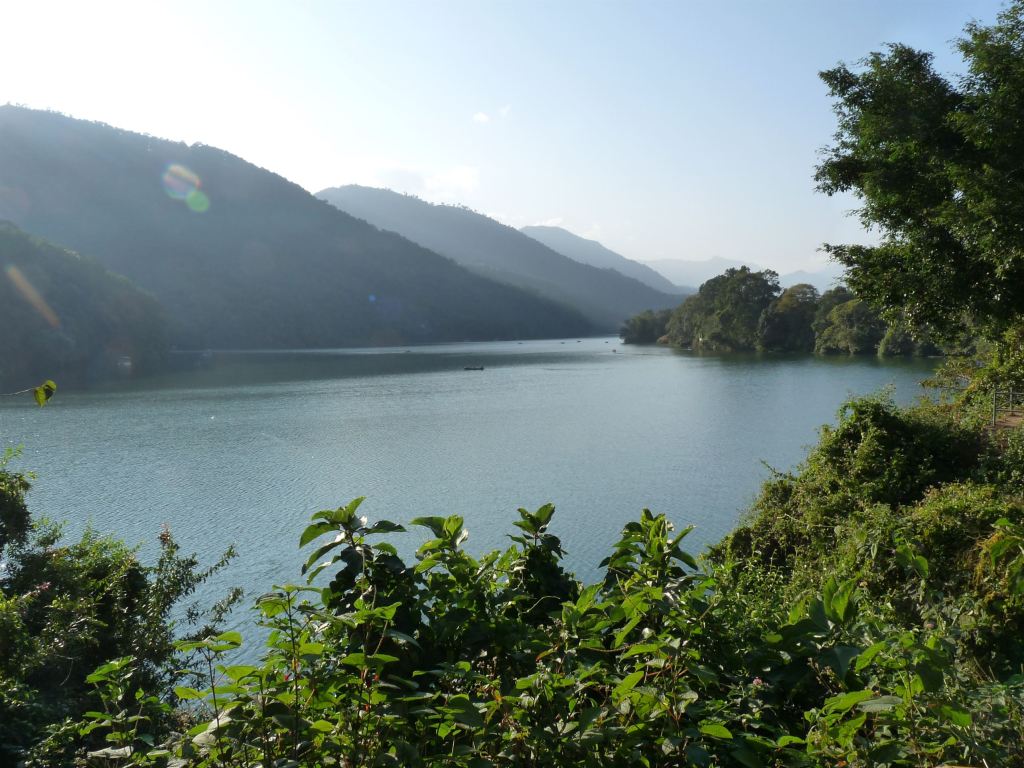
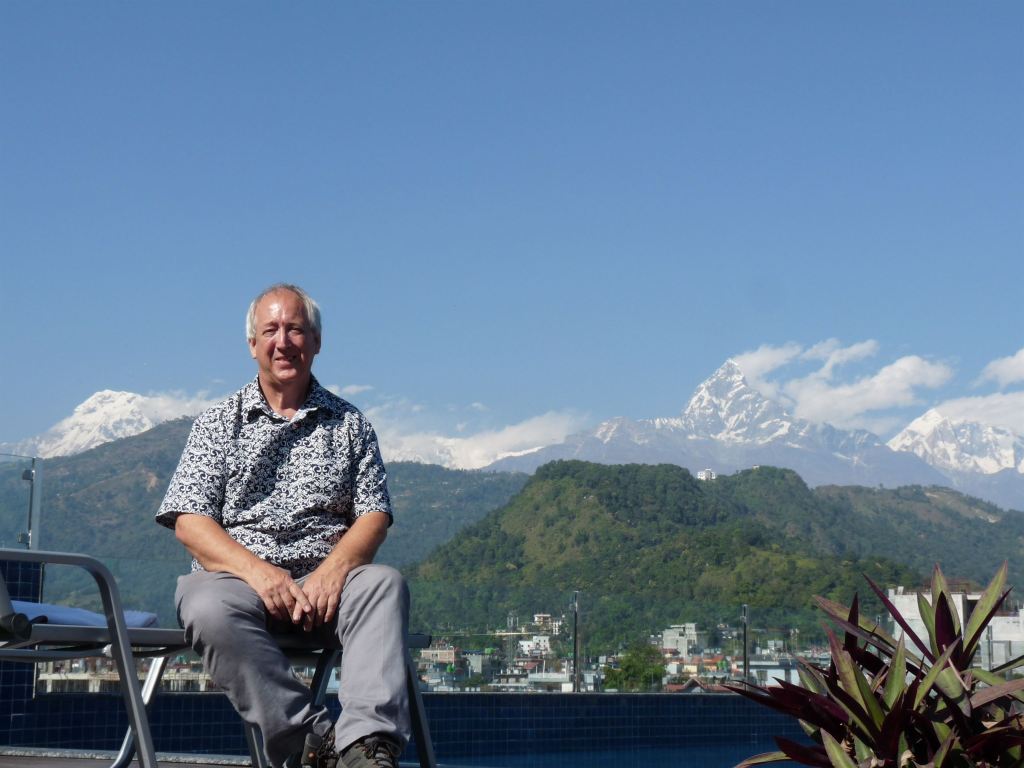
Pokhara is stunning. The sun was out to greet us. The mountains were visible. The area where we are staying by the lakeside is oasis of calm and there is lots of high quality North Face and other similar merchandise to choose from at bargain prices.

Thursday, 14th November 2019 – Kathmandu

4th of 4 posts added on 14/11/19. For continuity from previous postings, start with 11th November 2019.

Good Vibrations and a Royal Massacre.

We decided on a somewhat easier day today as Annette had a sore shoulder from hauling herself up the over-sized step into the hotel bathroom.

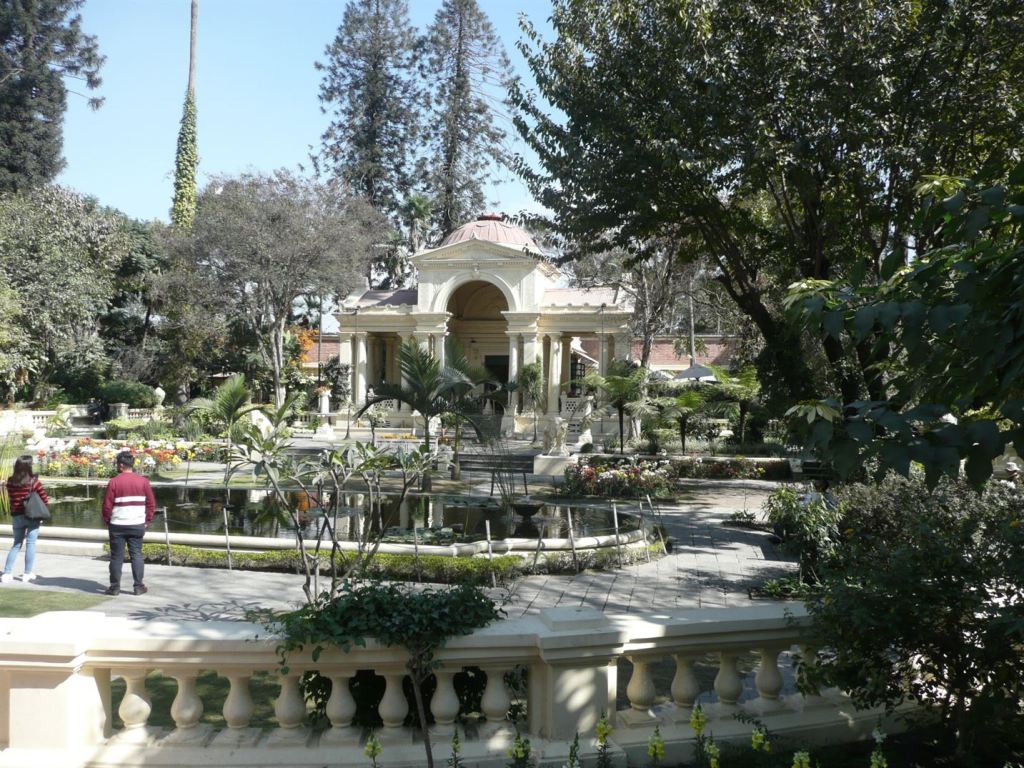
Rather than taking another tour we walked up to the Royal Palace Museum then visited the Garden of Dreams.

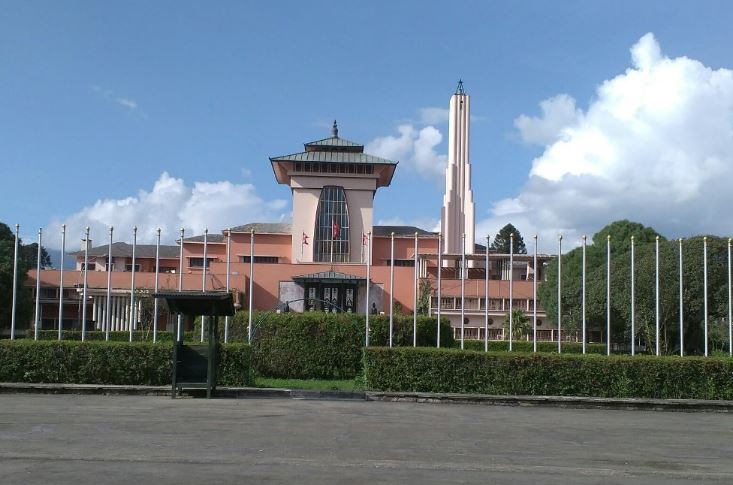
The Narayanhity Royal Palace Museum

The Palace was the residence and workplace of the royal family of Nepal until the royal massacre on the 1st June 2001. Internal photos are not permitted but here’s what it looks like from the outside. On the inside it’s all a bit 1960’s.

Ten members of the royal family, including the King and Queen, were killed in the massacre, a mass shooting which took place during a monthly family reunion.

Eye witnesses say the Crown Prince was responsible although the Nepalese authorities never officially revealed who was responsible.

The Crown Prince shot himself on the day of the massacre and slipped into a coma. He was declared King whilst in the coma but died three days later.

His successor abdicated in 2008 after civil unrest following royal meddling in elections. The Nepalese Constituent Assembly abolished the monarchy and declared Nepal a republic in May 2008.

Families eh!

The Singing Bowl Earns It’s Keep

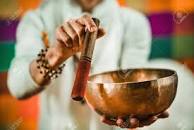
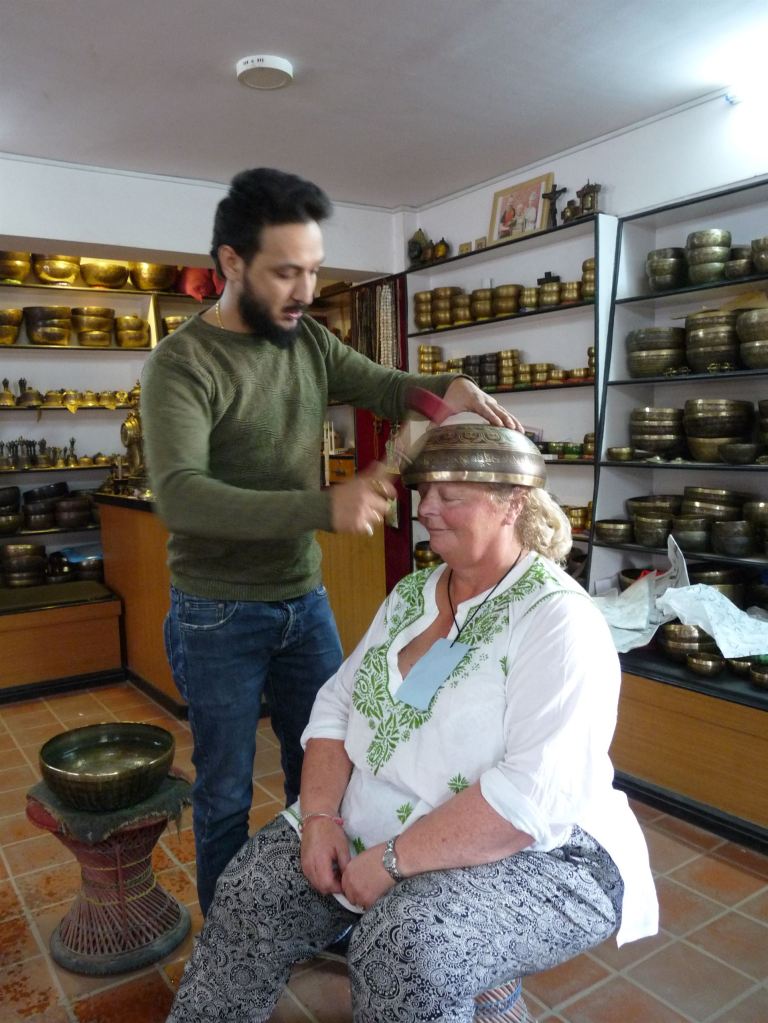
It would be fair to say that Annette is somewhat of a sceptic when it comes to mumbo-jumbo healing so her shoulder must have been bad for her to suggest giving the singing bowl a try.

She lay down on the bed, we put the bowl on a pad on her shoulder and for about ten minutes, I used the magic bonger to make the bowl vibrate.

Half an hour or so later she got up and said her shoulder felt significantly better.

Two hours later she’s still moving around much more easily and she’s just about to try it on her dodgy knee.

Who needs modern medicine when you have a powered up guru with a singing bowl.

Om!

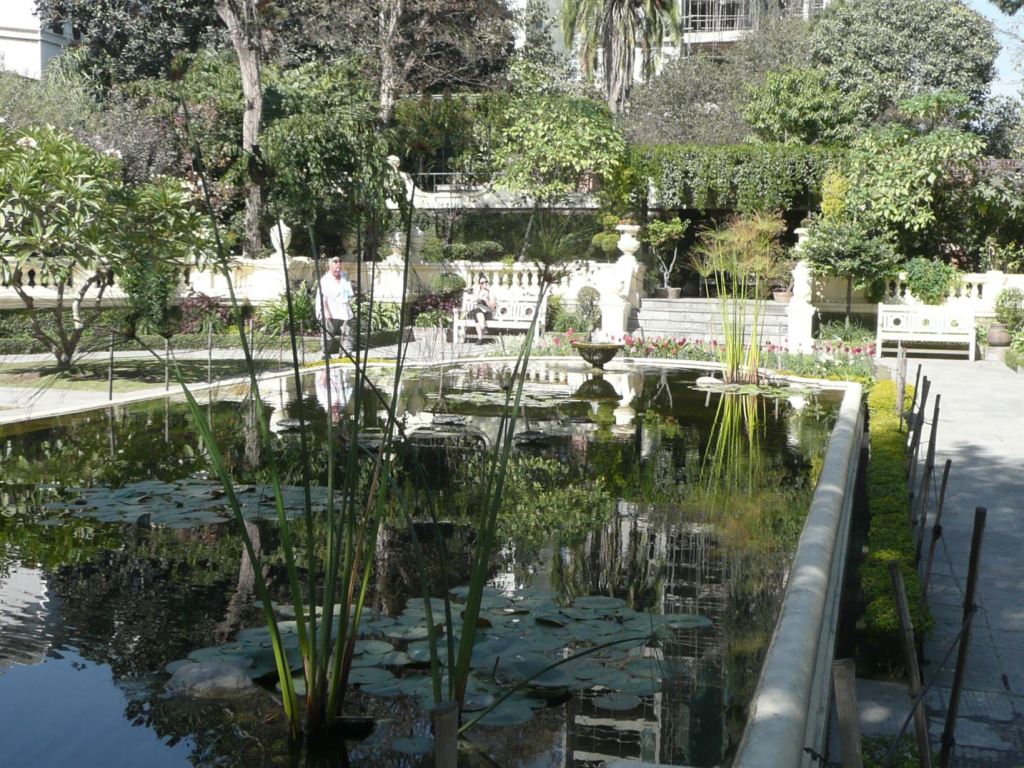
The Garden of Dreams

In a busy city it’s nice to be able to escape.

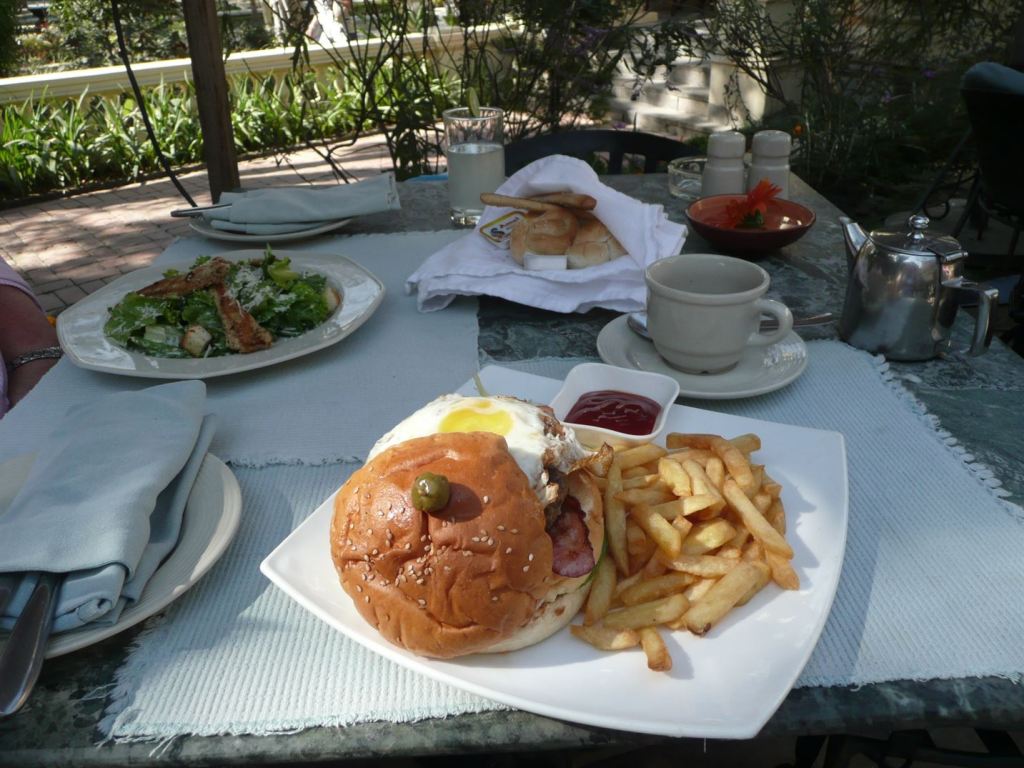
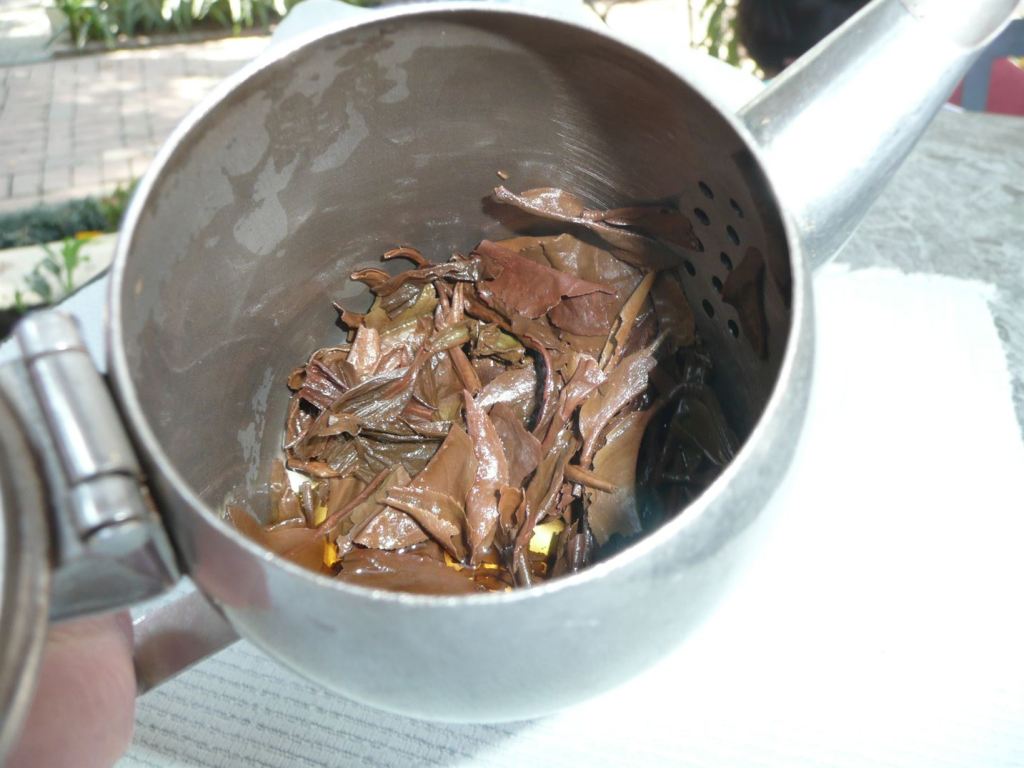
The Garden of Dreams is just down the road from the Royal Palace Museum and does a mean lunch in an oasis of calm. Priceless.

Wednesday, 13th November 2019 – Kathmandu

3rd of 4 posts added on 14/11/19. For continuity from previous postings, start with 11th November 2019.

Temples, bodies and singing bowls.

First Impressions of Kathmandu

Once we’d got out of the airport, our first impressions of Kathmandu were very positive.

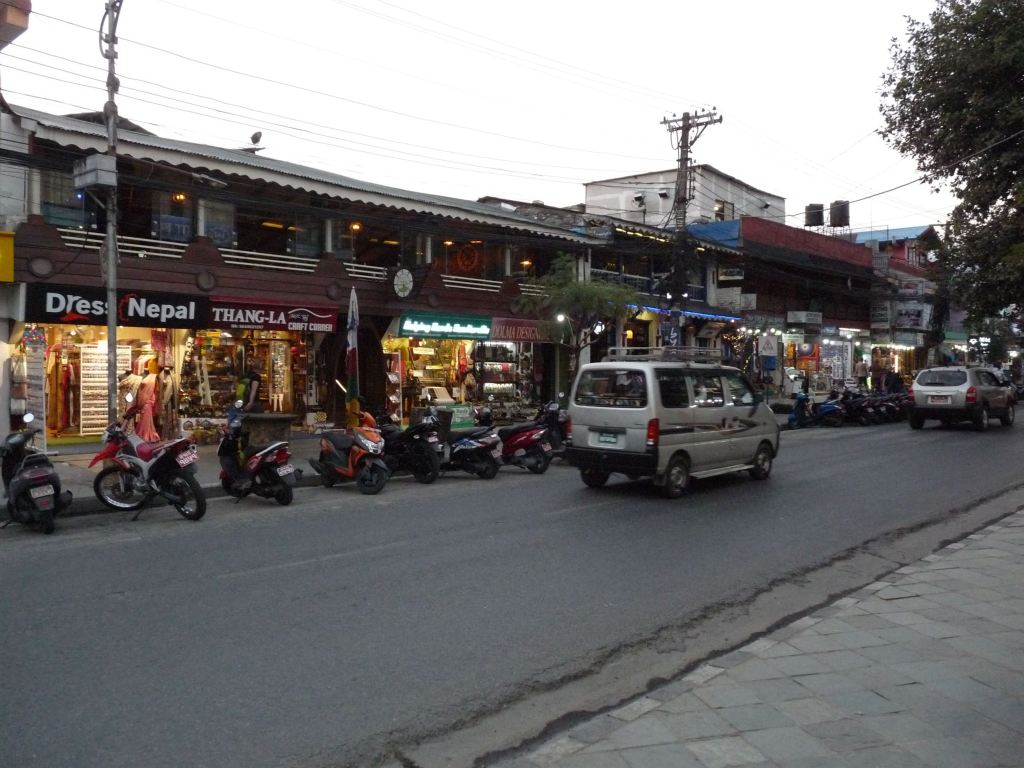
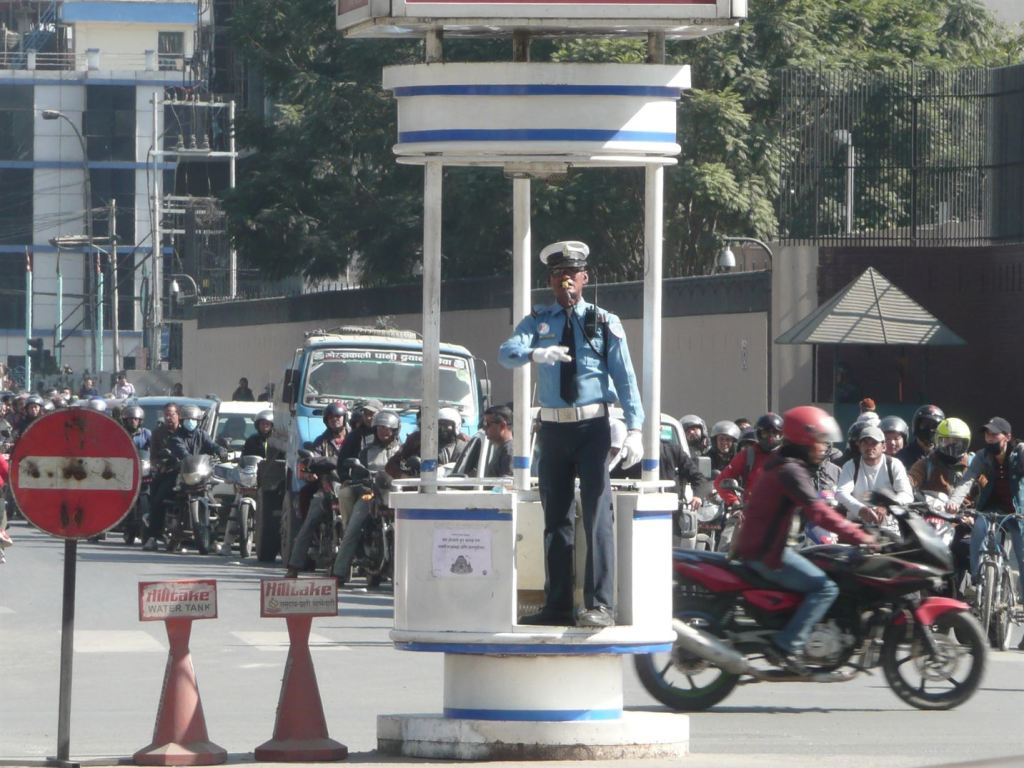
It was evening rush hour and the roads were busy, but the mayhem of India was missing. There was far fewer horns sounding. Road users were more courteous. The streets were clean. The shops looked like shops. There were no cows wandering around. Scooter and motorbike users were wearing helmets. There were no tuk-tuks.

And the hotel did a very nice spaghetti carbonara to go with the 7% proof Nepal Ice beer.

Seeing the Sights

Kathmandu is a busy city with a lot to see and we decided to hire a car and guide for the day. Only four stops but what a day.

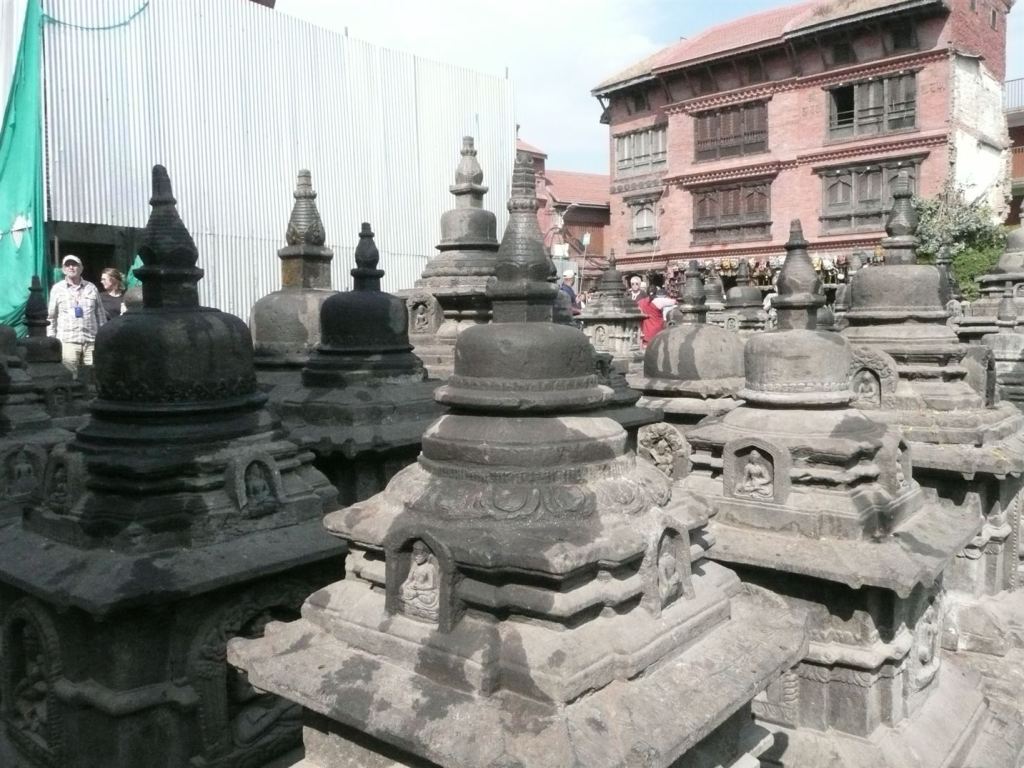
Swotambhu Temple

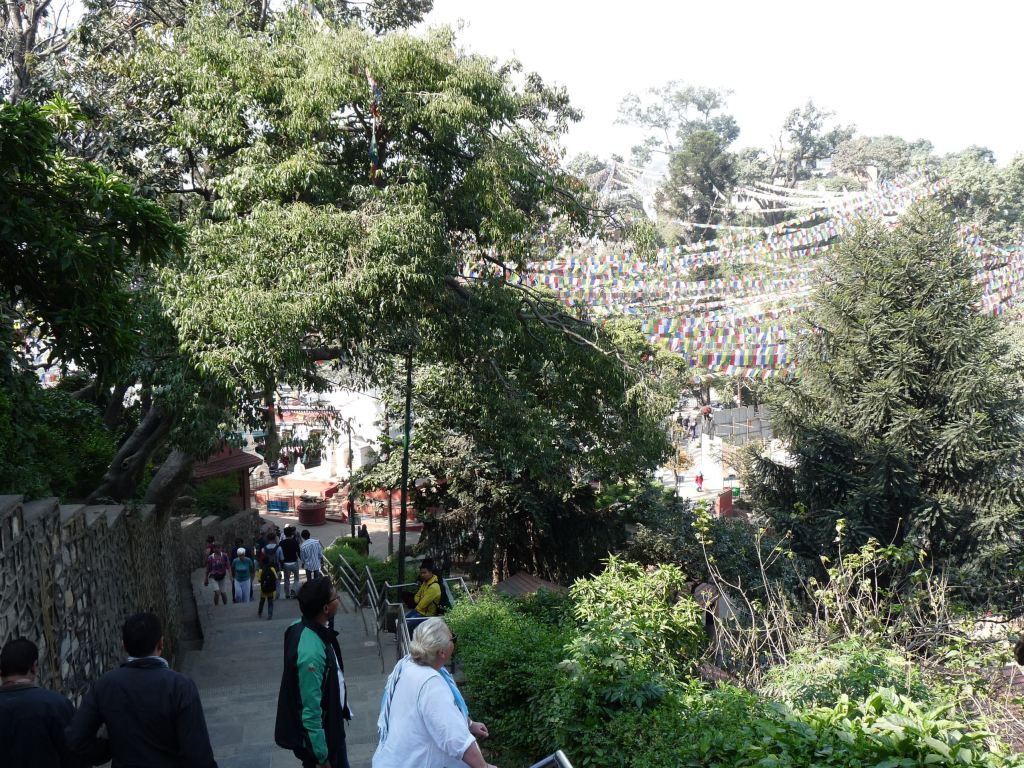
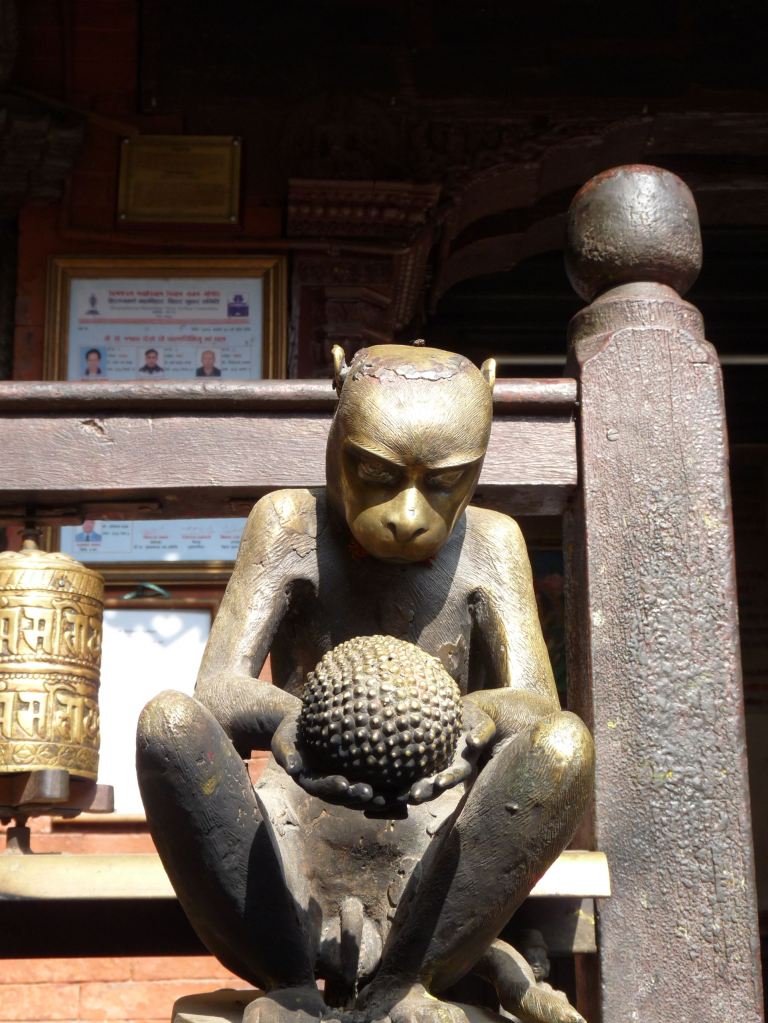
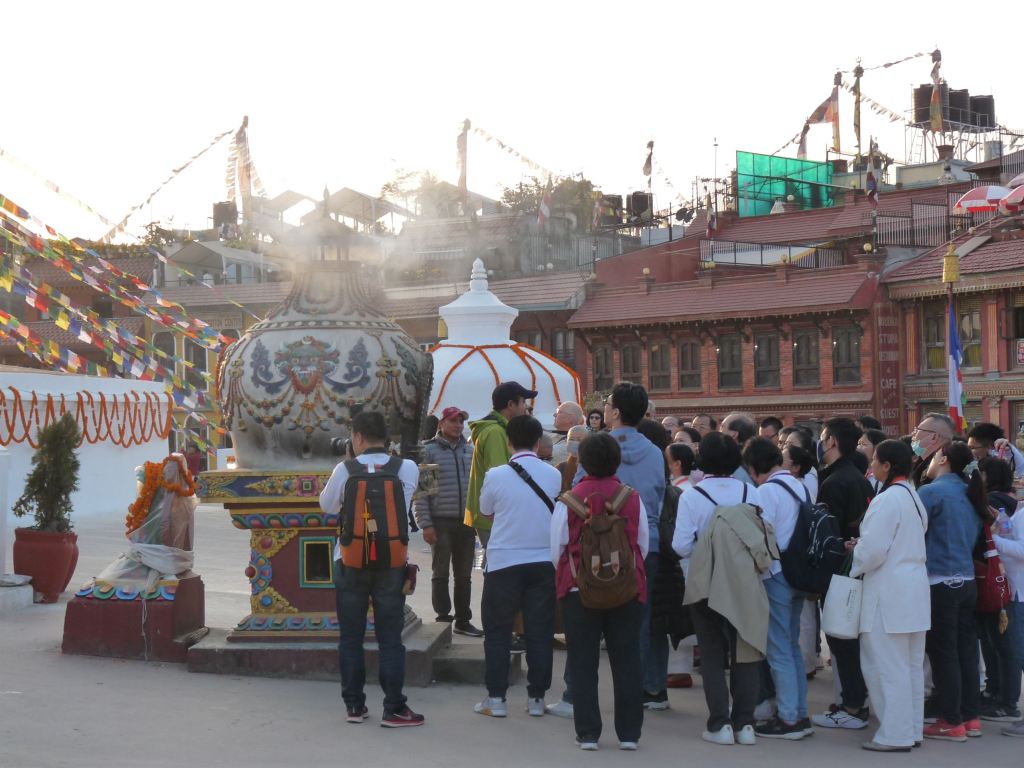
Our first stop was the Monkey Temple. That’s not its proper name but a tourist guide decided in the late 90s that people couldn’t pronounce Swotambhu so renamed it as the Monkey Temple and the name stuck.

It is, inevitably, at the top of a very big hill.

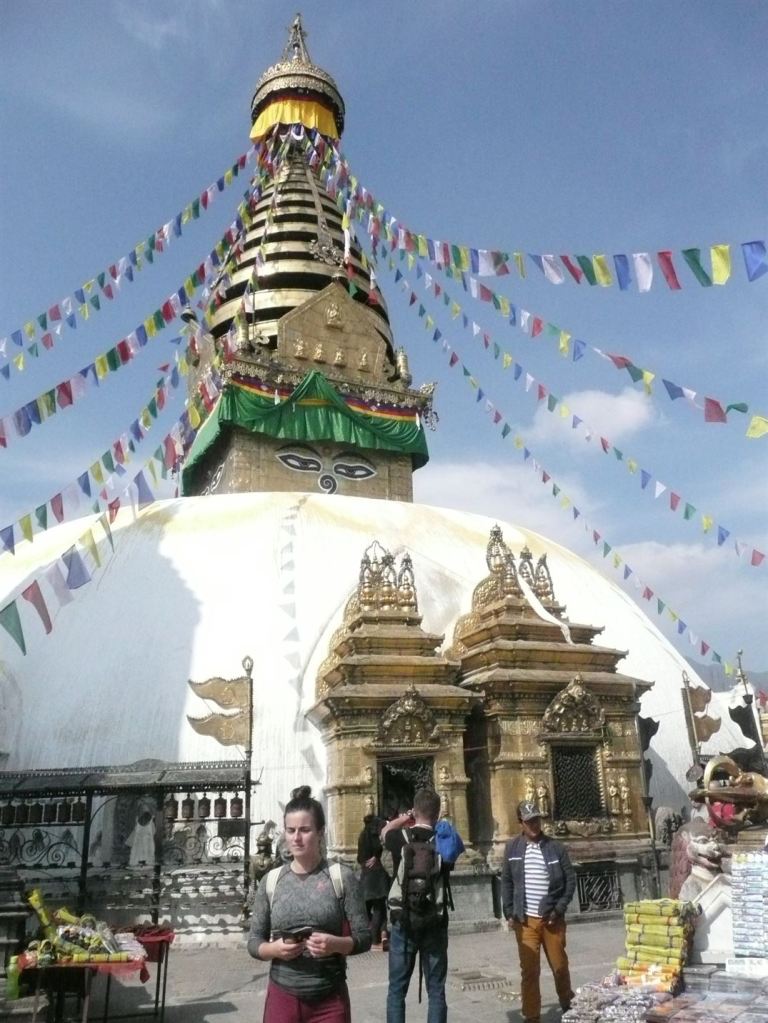
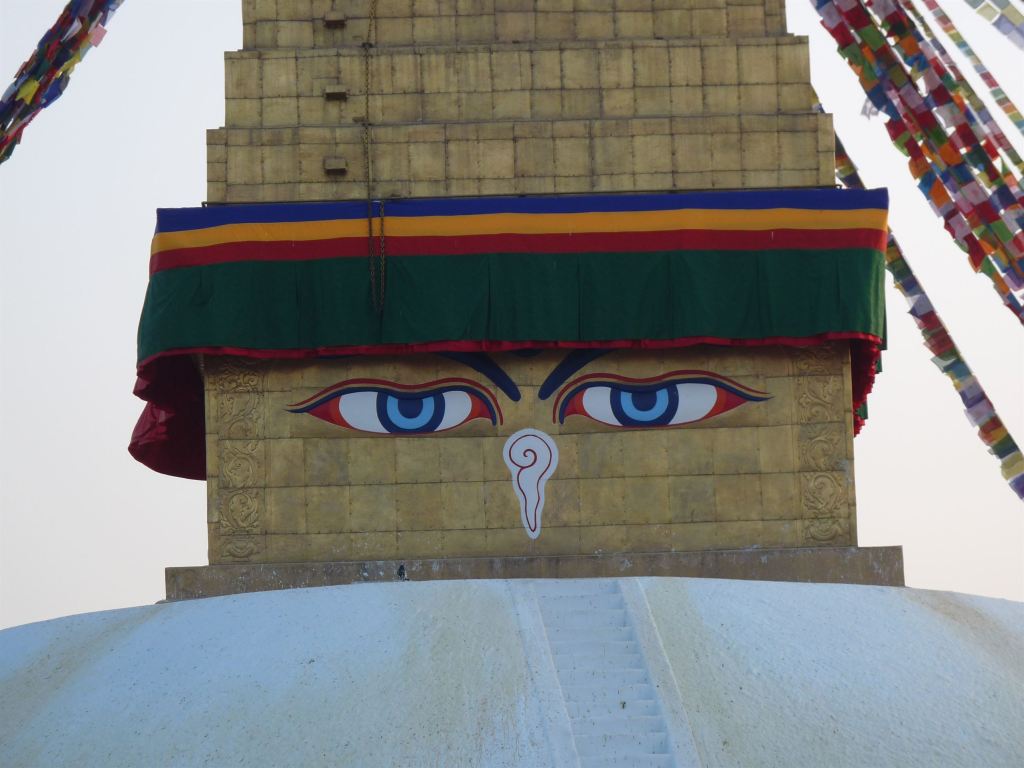
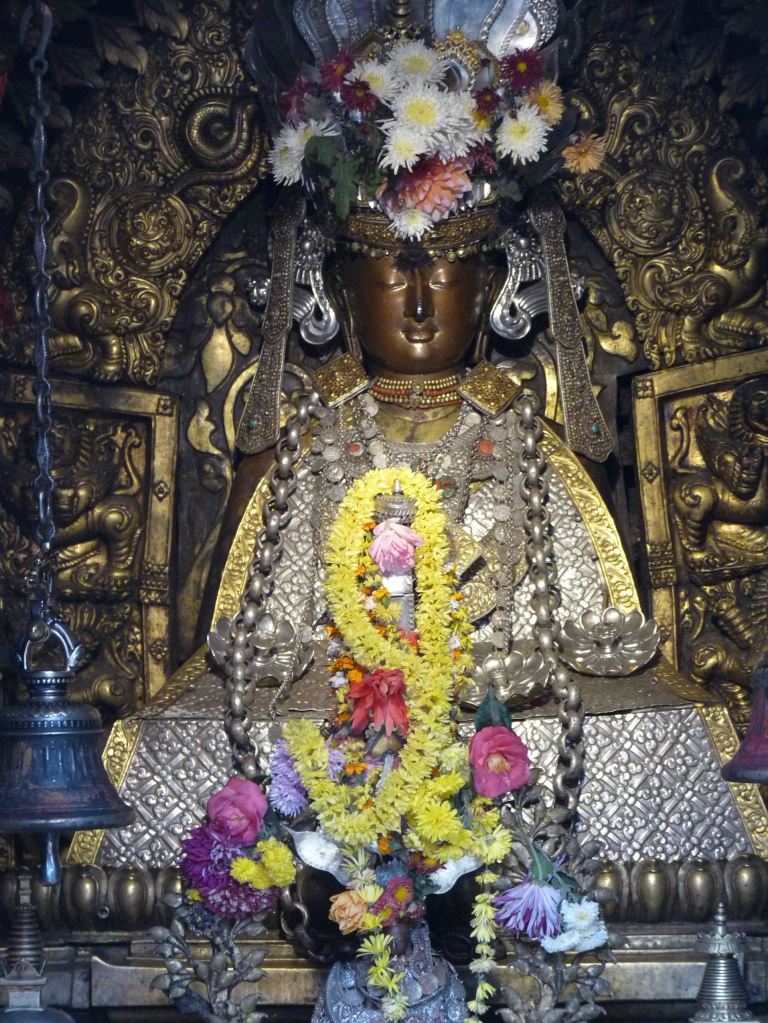
Swotambhu is a Buddhist temple.

  • The round white dome is solid and represents the earth.
  • The two eyes represent wisdom and knowledge.
  • The third eye is the eye of consciousness and represents the point from which enlightenment beyond physical sight is achieved.
  • There are thirteen steps to enlightenment.
  • The umbrella indicates protection of the world.
  • And the spire at the top represents reaching for nirvana.

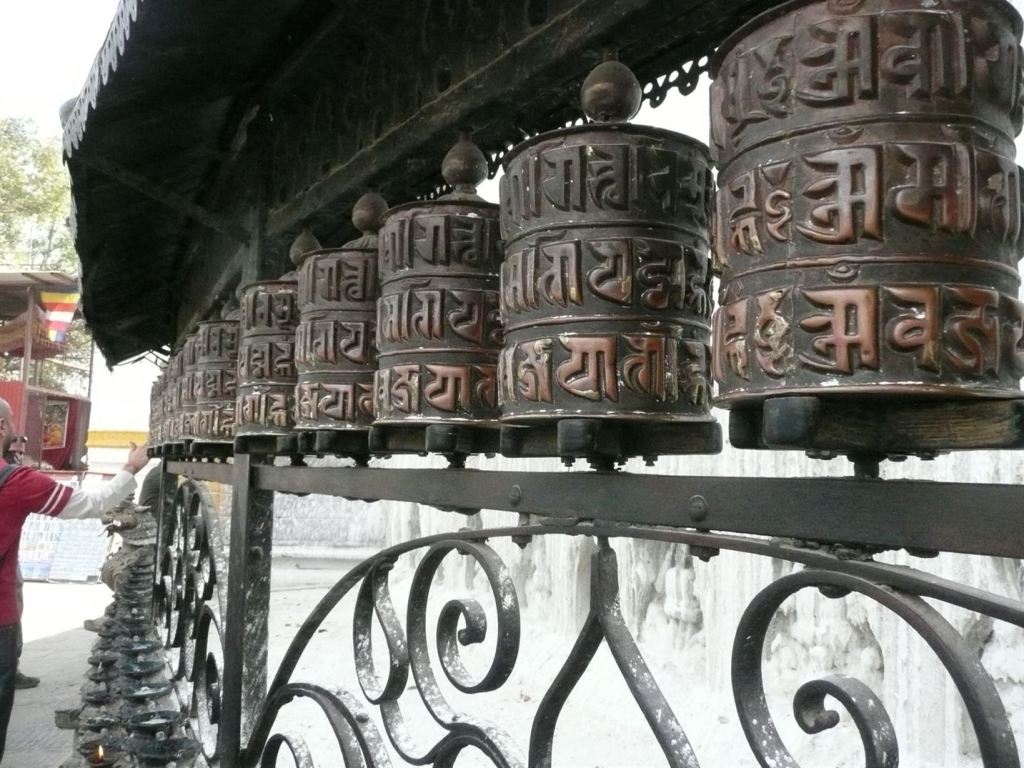
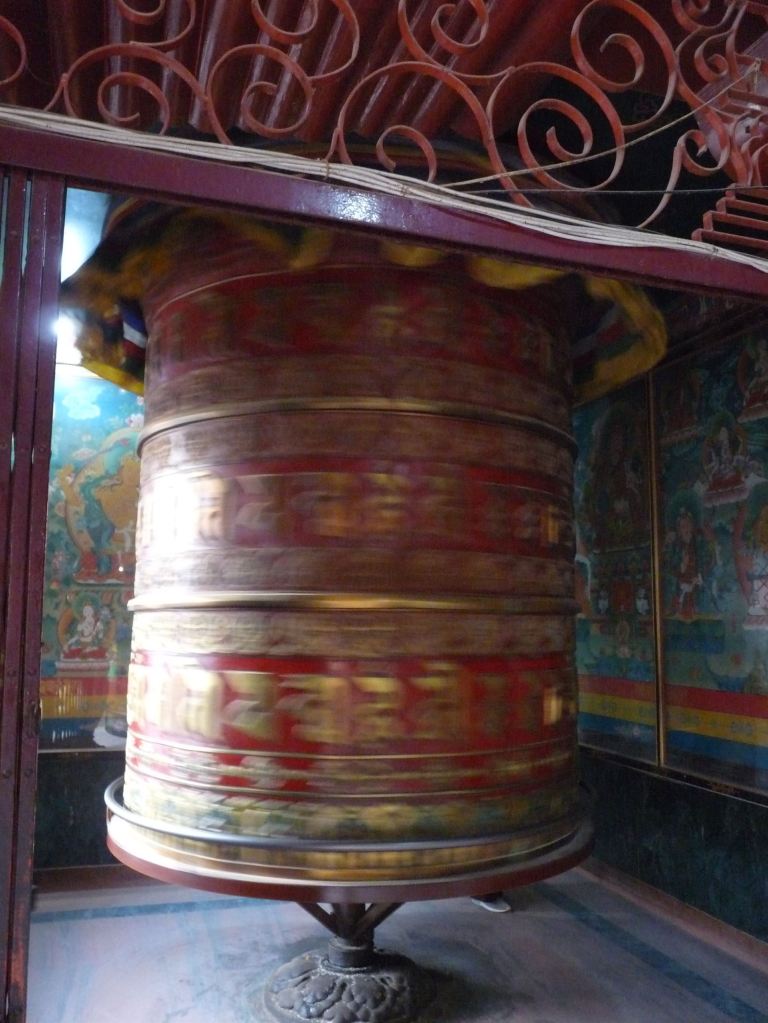
The prayer wheels contain words from scripture and are always turned from right to left. It’s also believed that people should go round Buddhist temples in a clockwise direction.

The reason the prayer wheels are spun clockwise is because the direction in which the mantras are written is that of the movement of the sun across the sky. They started in the days when people couldn’t read the scriptures but could still pray to their god by turning the wheel.

If you fancy having a go yourself, the most powerful and widely used mantra in Buddhism is ‘om mani padme hum’.

It’s said that this mantra contains all the teachings of Buddha so can’t be translated into a simple phrase but various people have had a go.

A literal interpretation is ‘Praise to the jewel in the Lotus’ (the Buddhist sacred flower).

An alternative interpretation is that the words have cleansing powers:

  • Om – purifies bliss and pride.
  • Ma – purifies jealousy and the need for entertainment.
  • Ni – purifies passion and desire.
  • Pad – purifies ignorance and prejudice.
  • Me – purifies greed and possessiveness.
  • Hum – purifies aggression and hatred.

Always a Shopping Opportunity

There’s a great shop near the temple selling some fine art work and we went in for the Nepalese equivalent of the carpet talk. We saw some spectacular pieces of work by students, experienced artists, master artists and by one senior master artist.

We very nearly succumbed and were saved only by the first law of the experienced traveller – to never make an expensive purchase on your first day in a new place.

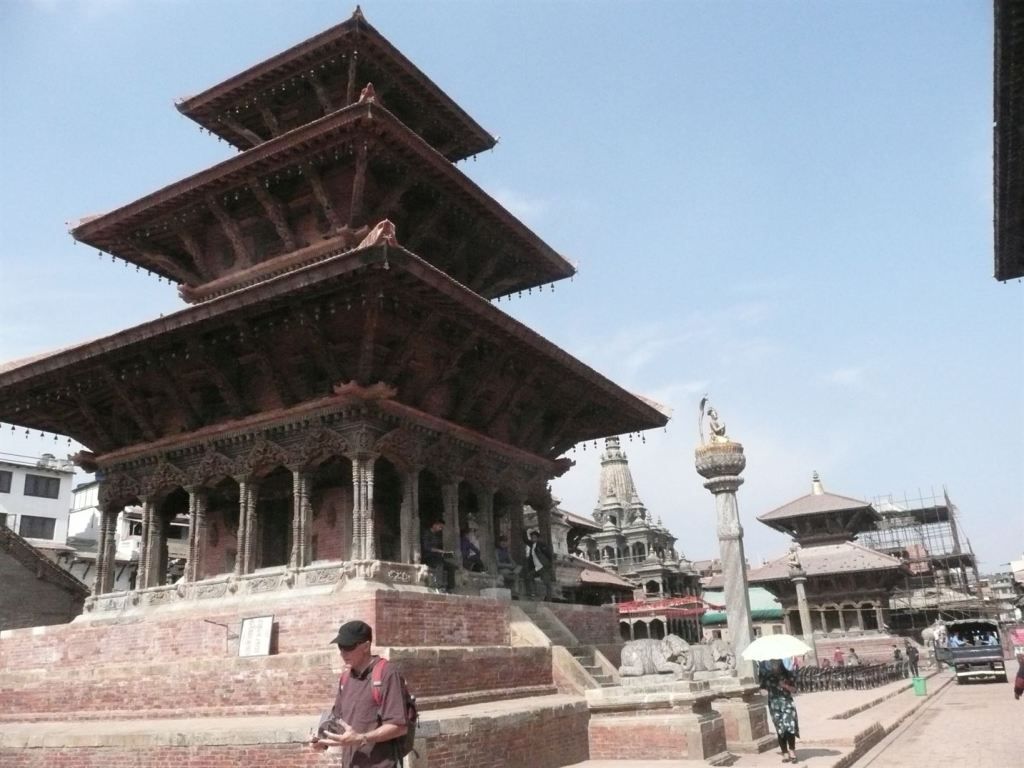
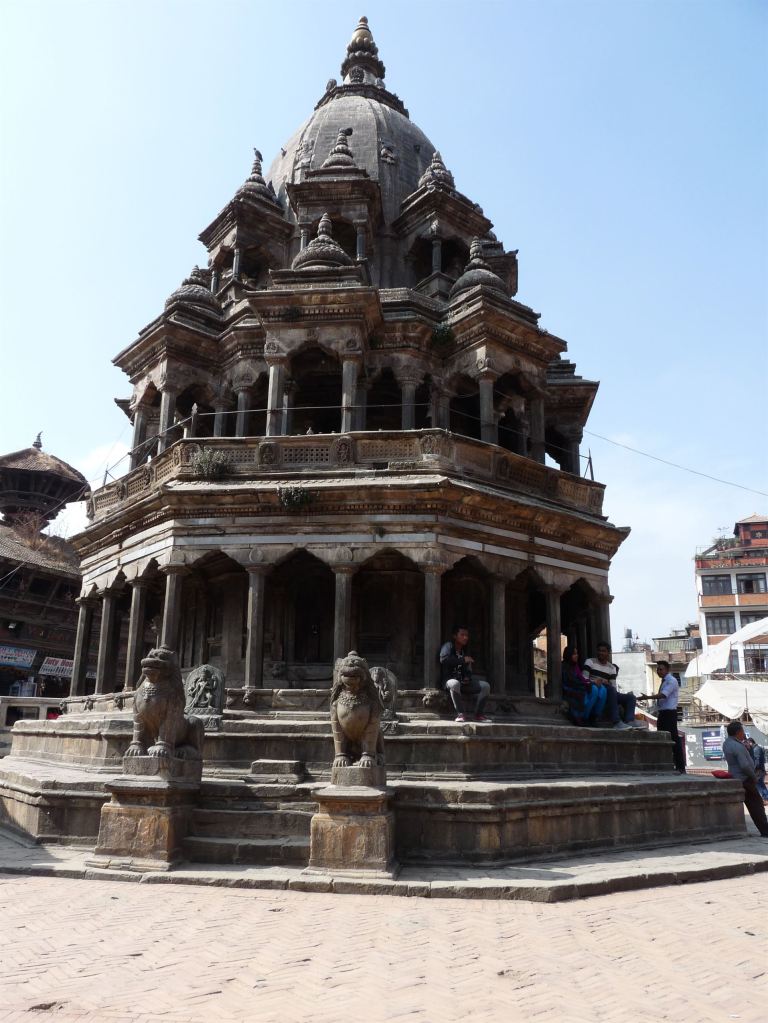
Patan Durbar Square and Palace Museum

Patan Square is lovely. There’s a Hindu temple, a royal palace with a very nice café (these things are important) and a shop selling singing bowls.

I’d not come across singing bowls before but the best are hand beaten out of a combination of seven metals. The worst are machine made out of two or three.

Each bowl makes a unique sound and legend says that the sound yields so much power that they should be kept hidden.

They are used by healers to tone and balance the energy body field and to make water dance. They are also used by shop keepers to make experienced travelers forget the first rule of travelling. Bugger!

Pashupatinath Temple

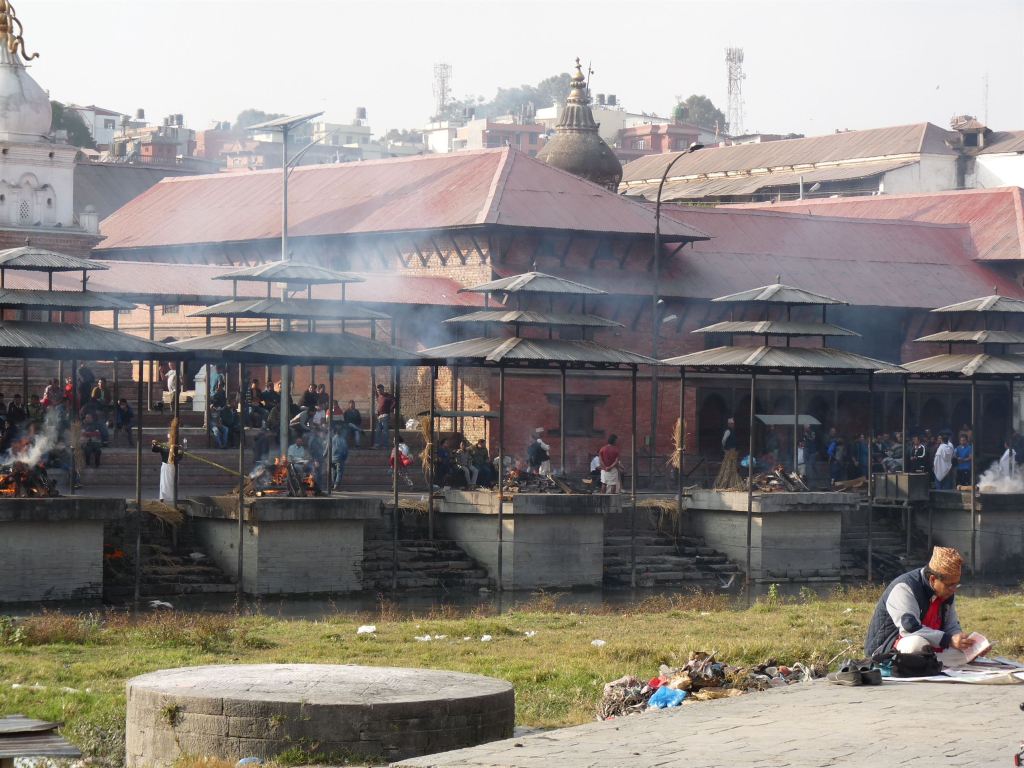
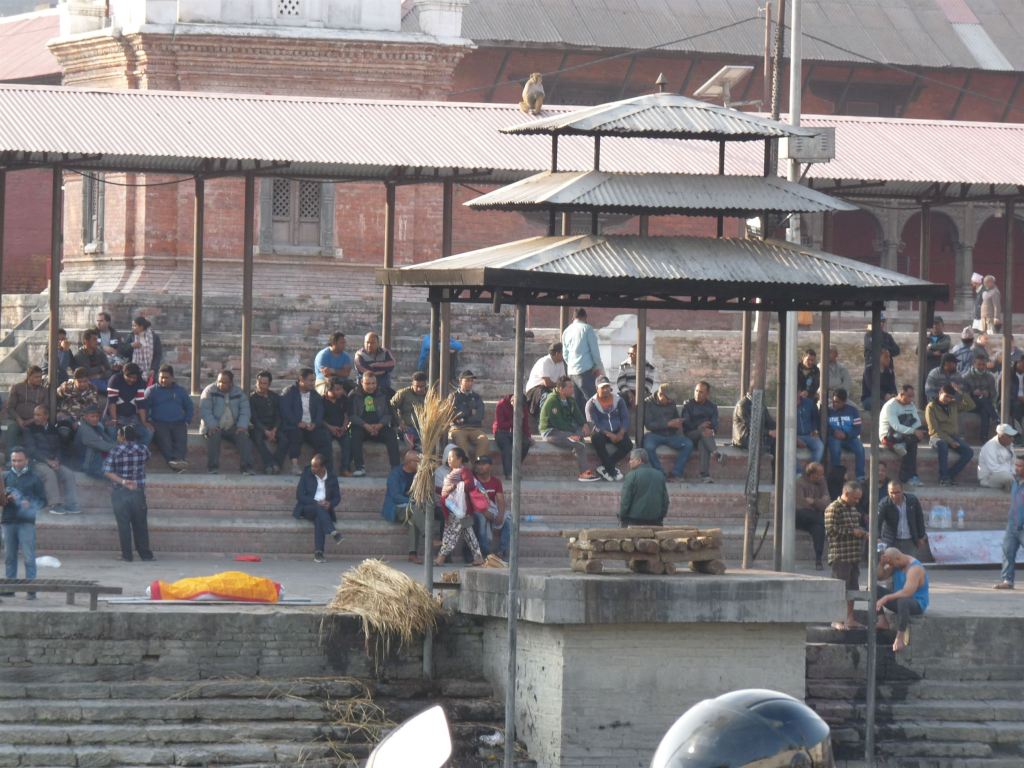
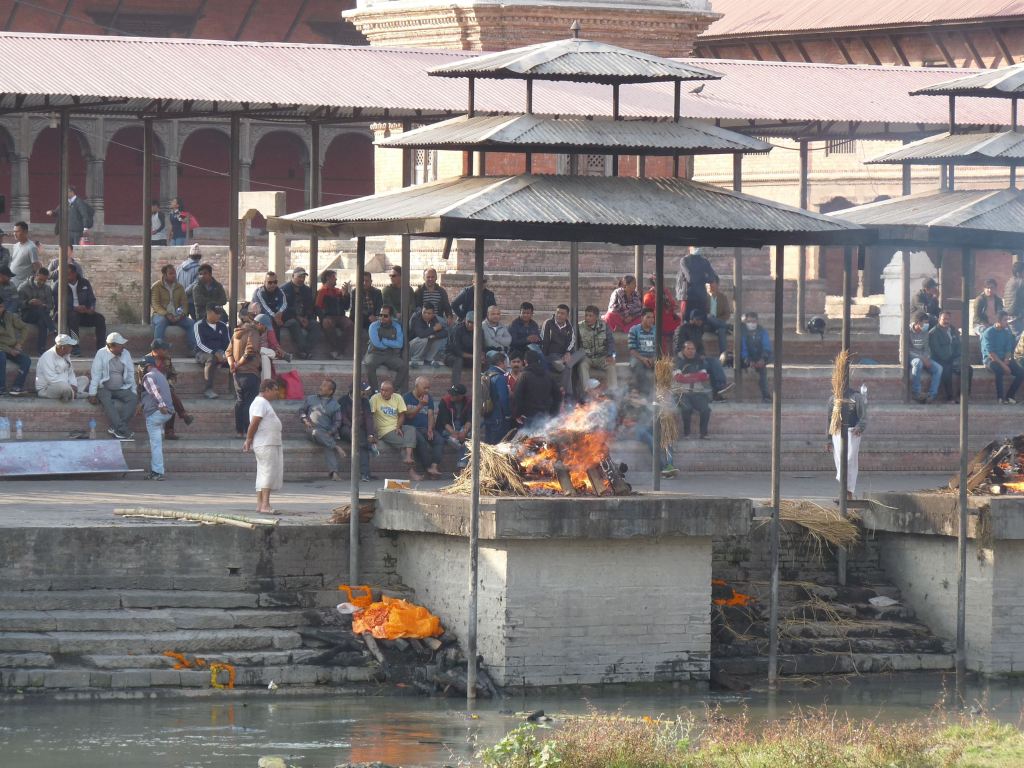
I’m still somewhat in shock by our third stop. I know people die. I know we need to dispose of the bodies. But to make it a public spectacle just doesn’t seem right.

And yet …….

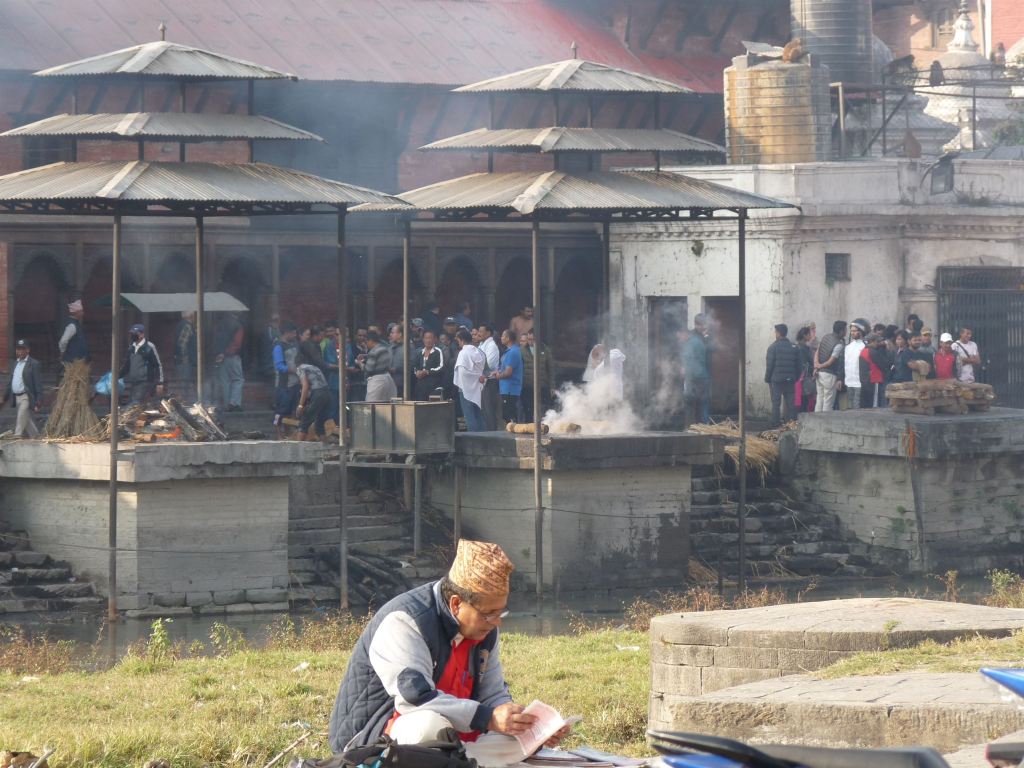
Pashupatinath is a public cremation site where people bring bodies for cremation. The body is washed by water from the temple and lifted on to a slab. Either the family, or more usually a professional, builds a fire and the body takes three to four hours to be consumed. At the end the remains are simply brushed into the river.

There is a more modern crematorium just down the road which does the same job in just five minutes but 95% of people choose the traditional method.

And it’s strange. I saw no-one crying. The people handling the bodies and the cremations appeared very matter of fact about things. Everyone stood or sat around chatting whilst the body was burned. And spectators, ourselves included, looked on.

The process of death was very much a fact of life and a strong part of me could see the wisdom in that. I came away incredibly moved.

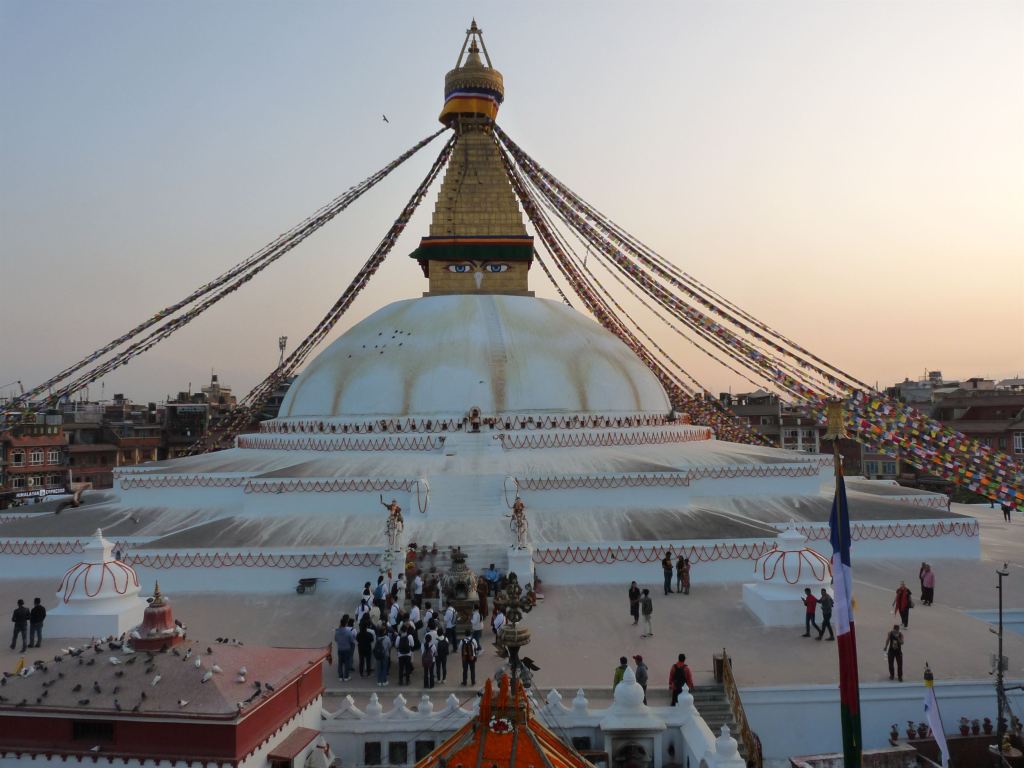
Boudha Stupa

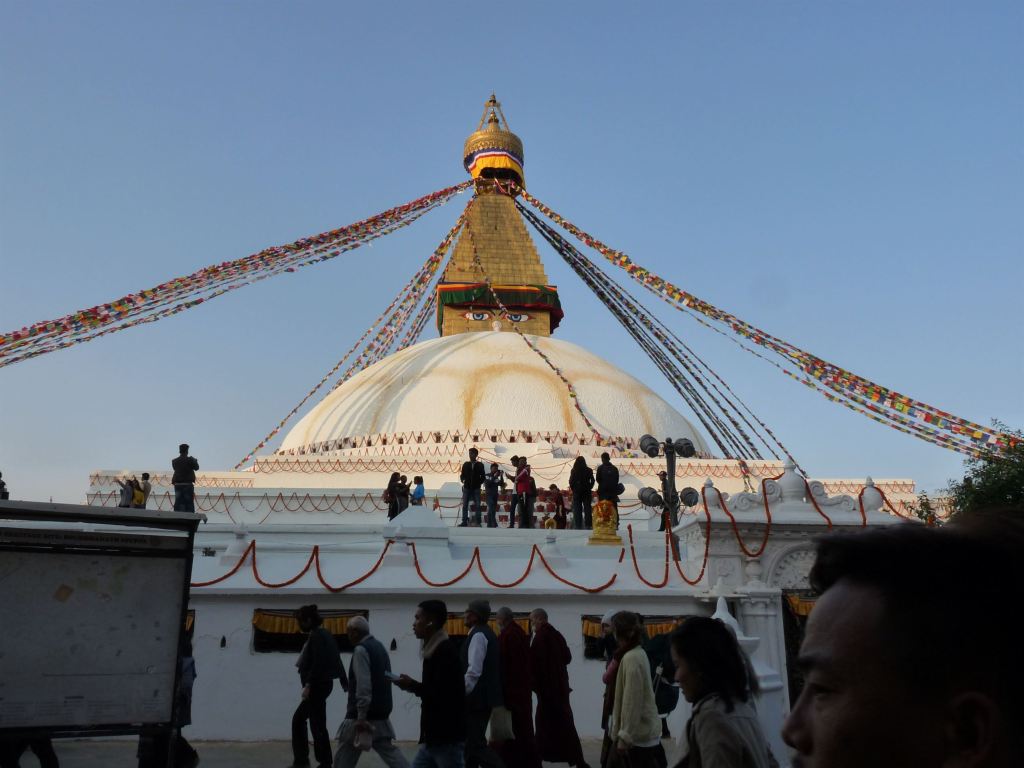
Our final stop of the day was the Boudha Stupa, the largest Buddhist temple in Nepal and the second largest in Asia (the biggest is in Myanmar).

The structure of the temple is the same as at Swotambhu but it is surrounded by a circle of monasteries, shops and meditation centres.

For the most part, people go round it in a clockwise direction. If you have time you might go round it once, twice, three times, seven times or one hundred and eight times. It was not clear if there were other options.

Despite the number of people, there was a peace and tranquillity here that I loved.

I also loved the visit I made to one of the monastery schools where a Buddhist ceremony was going on. There was drumming, chanting, horn playing, cymbals and of course bells. The monks simply ignored the visitors and did their own thing. I came away feeling I’d been listening to part of the sound track for an Indiana Jones film.
I’m not sure to what extent I was purified and blessed by today’s visits but with those and the singing bowl, I might just be moving in the right direction.

Om mani padme hum. Om mani padme hum. Om mani padme hum.

Tuesday, 12th November 2019 – Agra to Kathmandu

2nd of 4 posts added on 14/11/19. For continuity from previous postings, start with 11th November 2019.

Getting out of India is one thing. Getting into Nepal is another.
Given the state of Indian roads and the traffic around Delhi, we decided to leave ourselves plenty of time to get from Agra to Delhi airport.

It’s only just over 200 kilometres but you never know so we set off at 5.30am to give ourselves plenty of time for a 12.50 take-off. Good job we did.

The drive up was fine but before could even get in to the terminal we had to queue.

You’re not allowed in unless you have a valid ticket and proof of identification. The signs and the soldiers with big guns make it very clear that you’ll be ‘severely punished’ if you are caught inside without a ticket.

There was a lengthy queue as the check-in people were doing their jobs with one hand behind their backs for fun. This was followed by security who were very ‘thorough’ in their frisking.
As we started walking to the boarding gate a very nice man in a complimentary electric buggy pulled up and asked where we were going. We told him. He told us it was a 1.5 kilometre walk and to hop in. We hopped in. He was right about the distance.
Well worth a bungalow.

Into Nepal

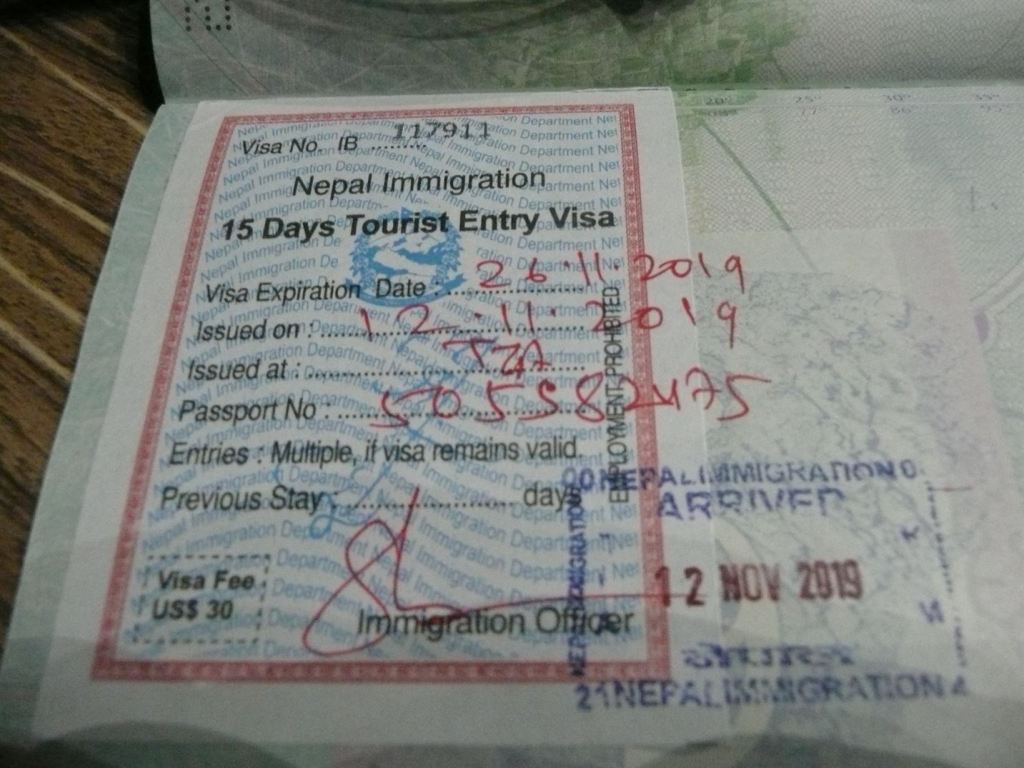
We’d tried to sort out a visa for Nepal before we came but all the information said just get one at the airport. The information was right but let’s say there is room for improvement in the process.

For the benefit of fellow travellers:

  • You join the queue for people with no visas,
  • That turns out to be the queue to get the visa – but only if you have the right paperwork.
  • You get sent to find a disembarkation card to complete.
  • You find the last two forms and fill them in.
  • A fellow traveller rumours that you need to enter information into a kiosk machine so you queue for that.
  • When you get to the machine, you enter the same information as on the disembarkation card.
  • The machine tries to take your picture and crashes.
  • You queue for another machine.
  •  You go through the same process and it eventually, begrudgingly, gives you slip of paper that says you’ve entered your information.
  • You join a queue to pay for your visa. They don’t take cards so you scramble for cash.
  • The man takes your money and begrudgingly gives you a receipt but still no visa.
  • To get that, you join your original queue – this time with your disembarkation form, your kiosk machine receipt, your payment receipt, your passport, your boarding card and your first born child.
  • And guess what you get – a piece of paper that they stick in your passport.

Welcome to Nepal

Monday, 11th November – Taj Mahal, Agra

1 of 4 posts added on 14/11/19. For continuity from previous postings, start with 11th November 2019.

The Taj Mahal

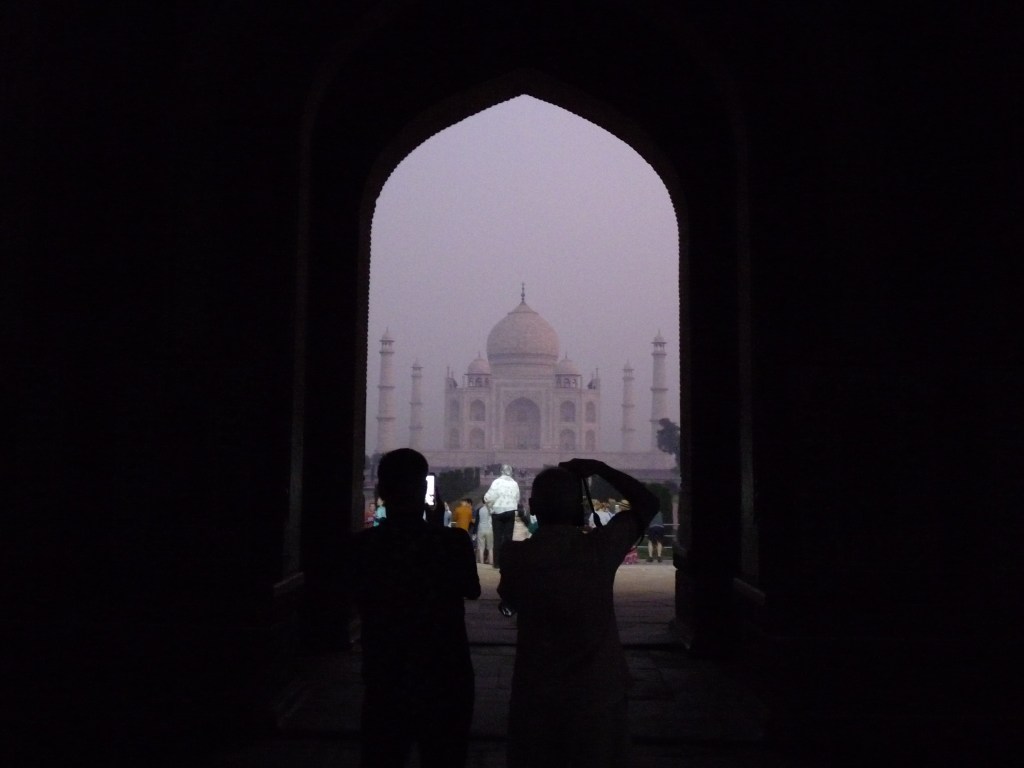
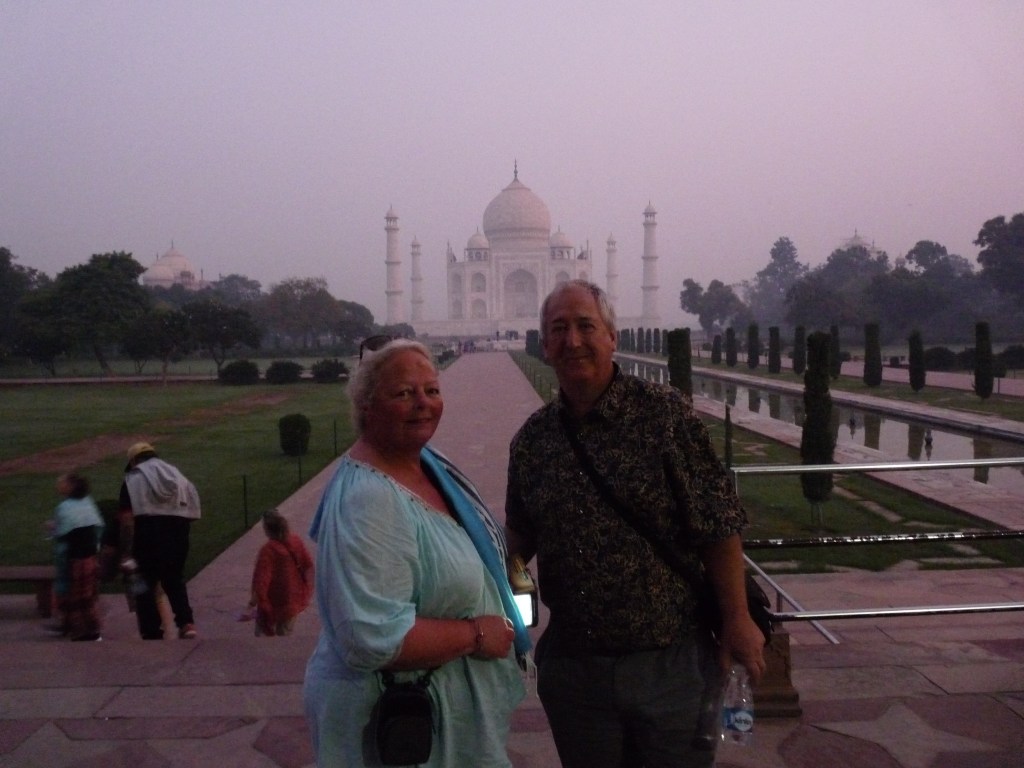
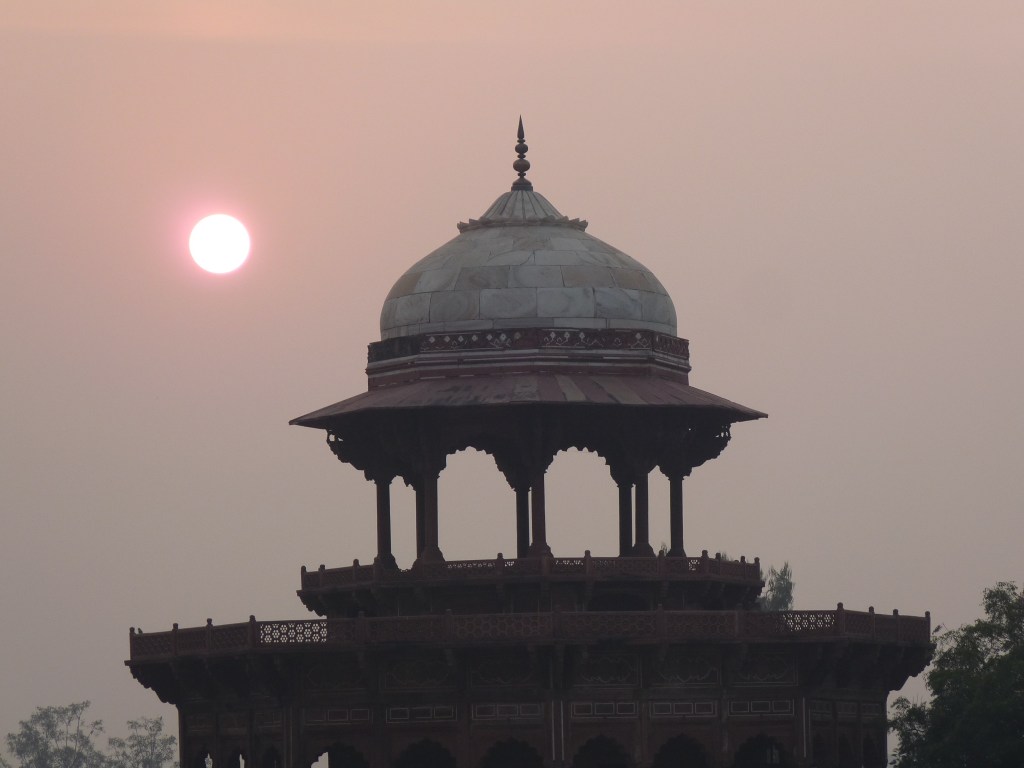
We were up at the crack of dawn yesterday to drive down to Agra. We were up again at the crack of dawn today to see the sun rise over the Taj Mahal.

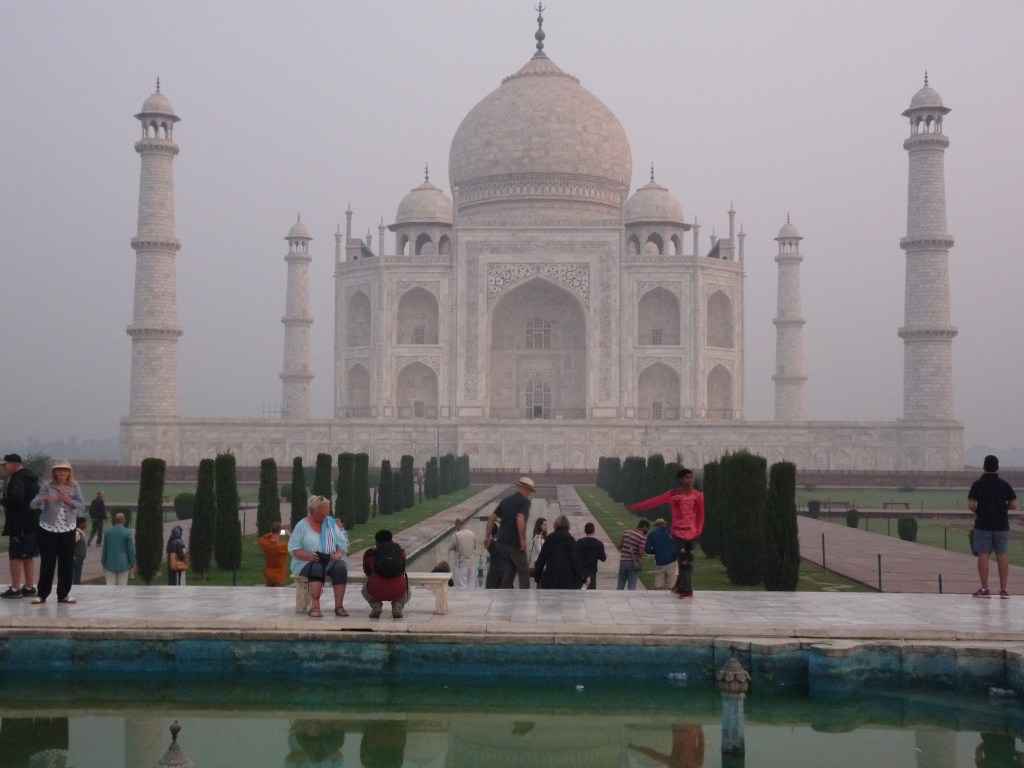
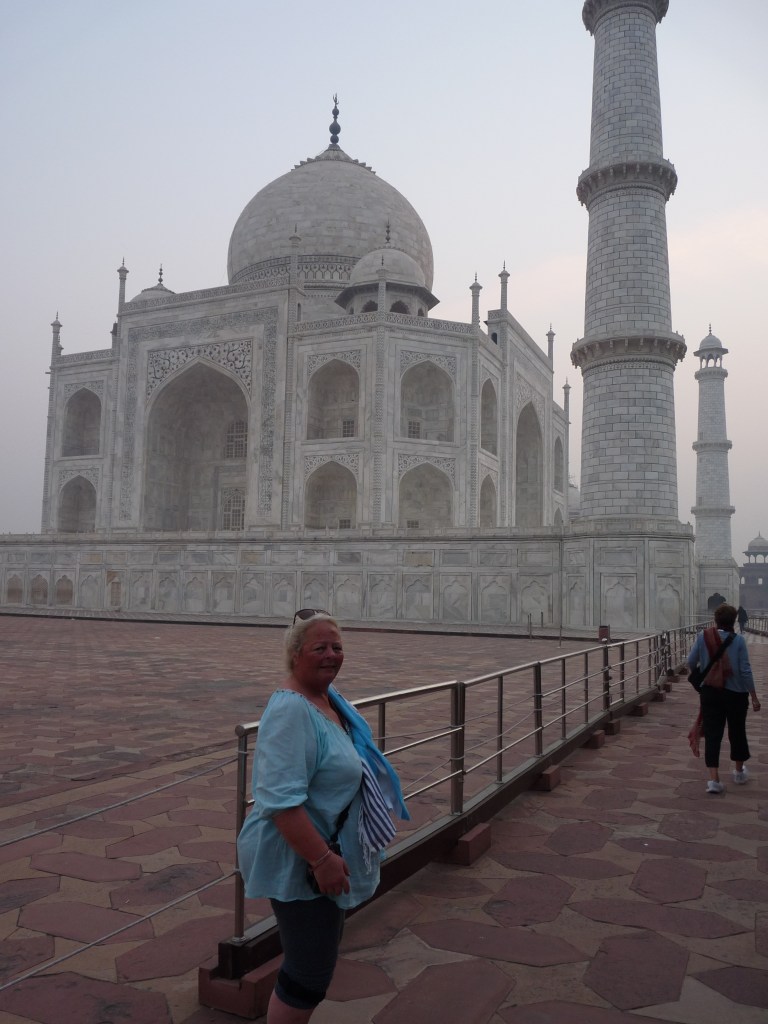
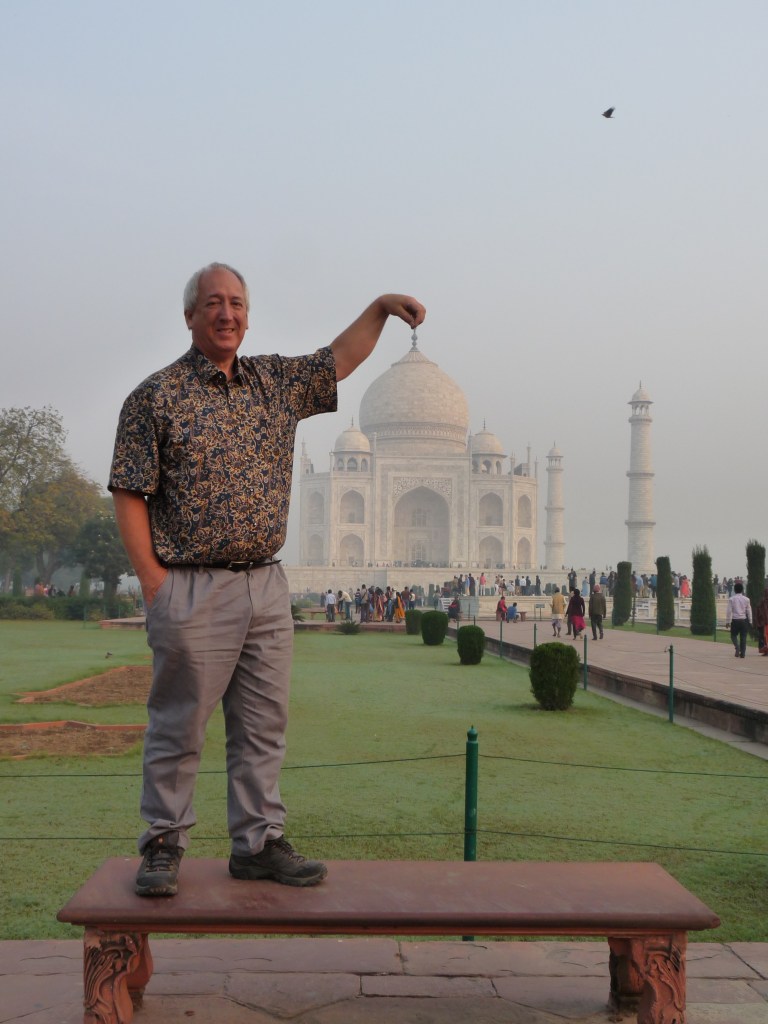
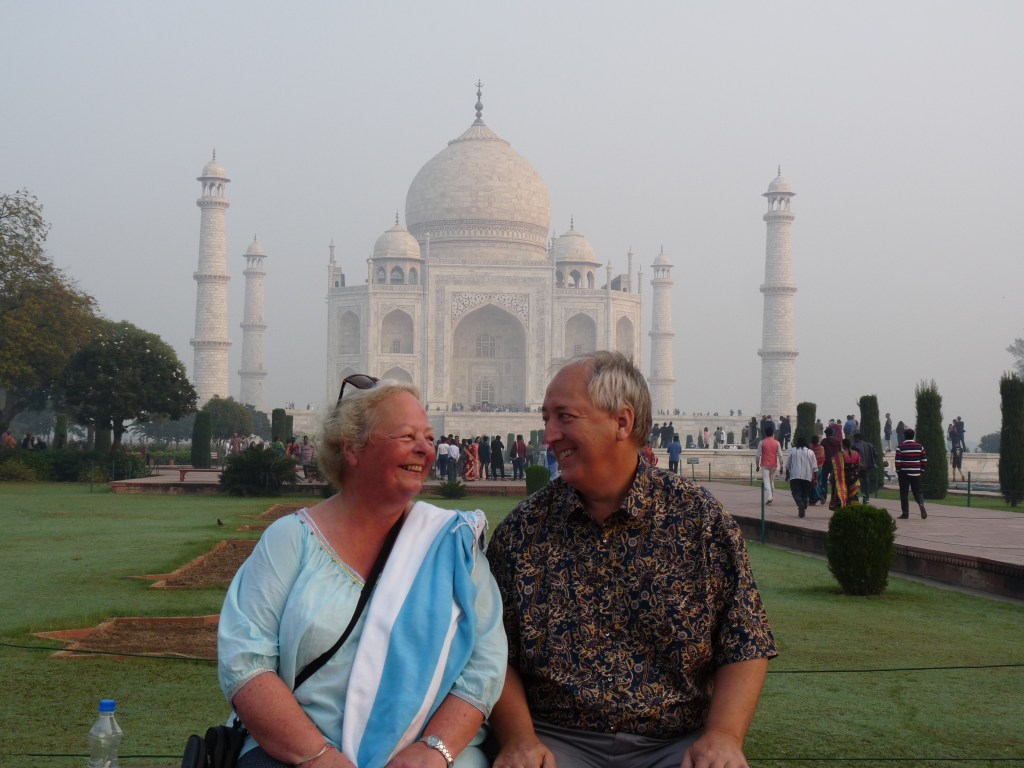
The Taj is one of those places that is so well known we’d half expected to be disappointed by it. Not a bit of it. It’s stunning.
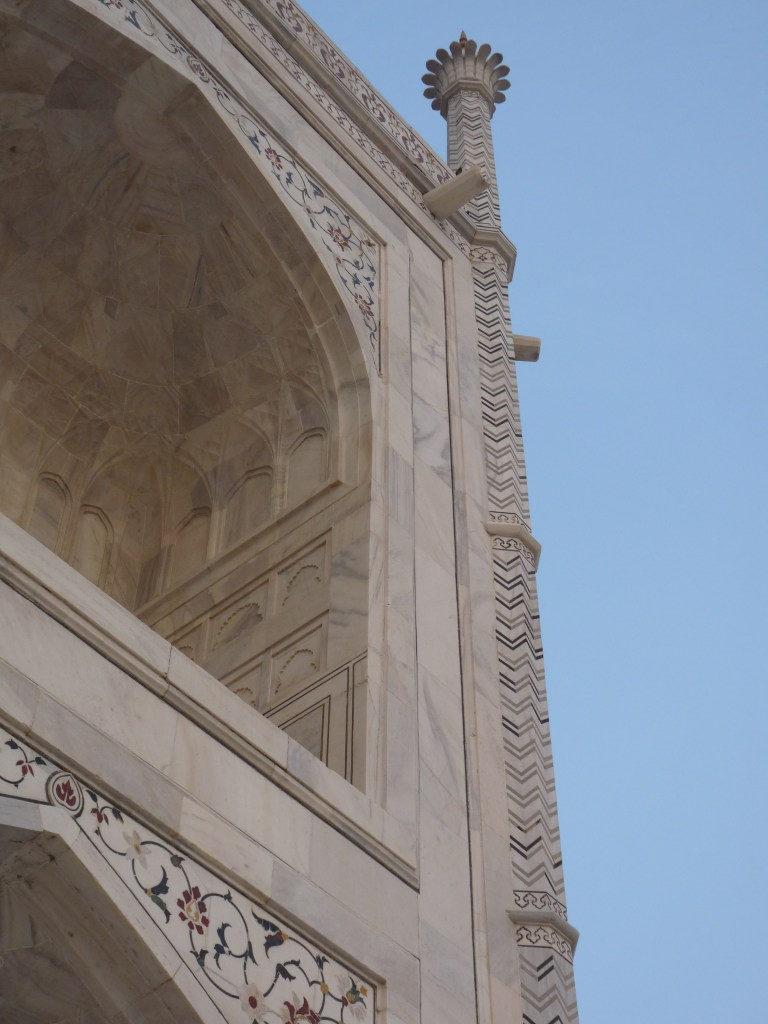
The building is symmetrical on each side. There are eight rooms around a central area which houses the tombs of Shah Jahan and Mumtaz Mahal, and there are some very clever architectural tricks
  • The outer columns lean away from vertical so that they will fall away from the main building in the event of an earthquake.
  • The chevrons on the towers make the vertical columns look multi-sided and the effect works even when you know it’s an illusion.
  • The bodies are actually five meters below the tombs the public see.
  • And there is a beautifully positioned bench for high impact PR shots by British princesses.

The Taj was commissioned as an Islamic mausoleum in 1632 by the Mughal emperor Shaj Jahan to house the tomb of his favourite wife, Mumtaz Mahal.

She was his third wife and the woman he truly loved. His first two wives were the result of arranged marriages and didn’t get a look in when it came to being buried.

Come to that, nor did Shah Jahan.

Mumtaz had 16 pregnancies and gave birth to four boys and two girls. After the Shah spent over $800m at current rates building the Taj for her, his youngest son saw his inheritance going down the pan.

He was even less impressed when his dad started work on a black version of the Taj Mahal on the other side of the river so he did what any right-minded person would do. He killed his three older brothers and imprisoned his dad in Agra Fort for eight years until he had the good grace to die.

Then he buried his dad alongside Mumtaz in the Taj Mahal, saving a shed load of money and creating the only non-symmetrical element in the building.
Agra Fort

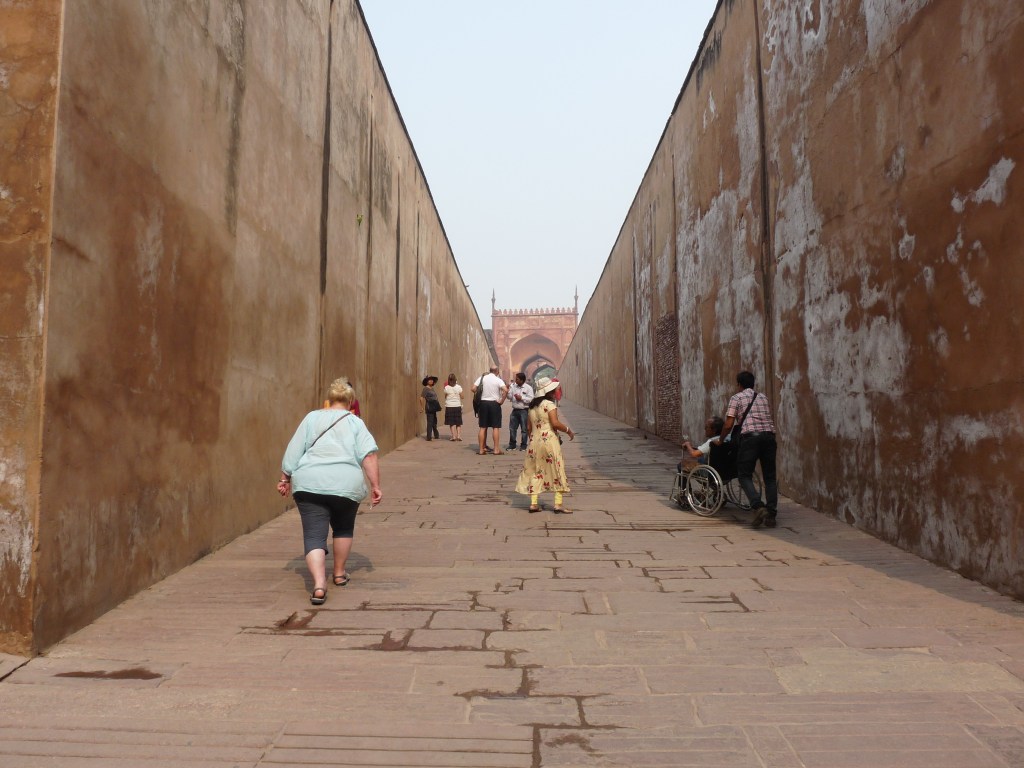
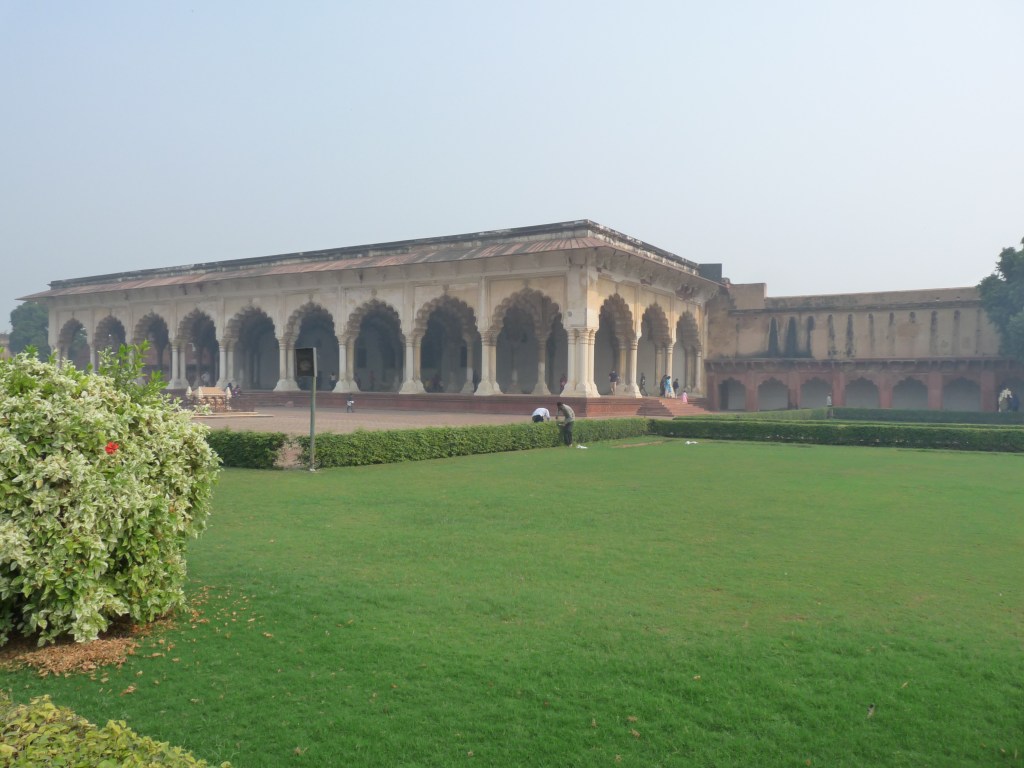
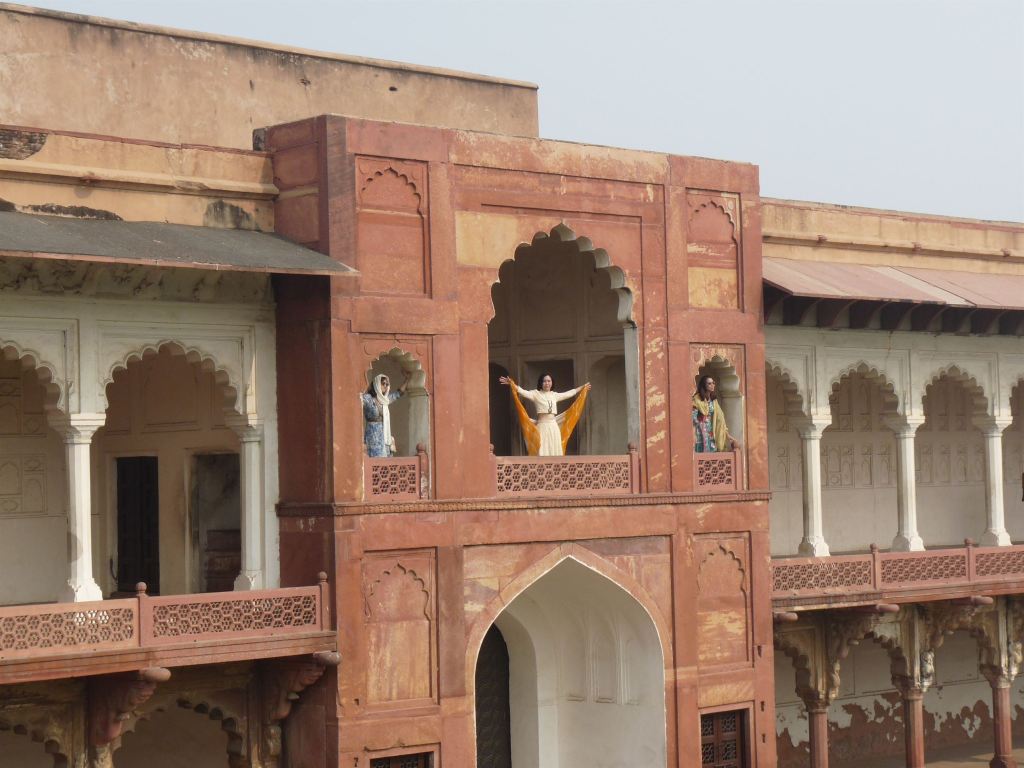
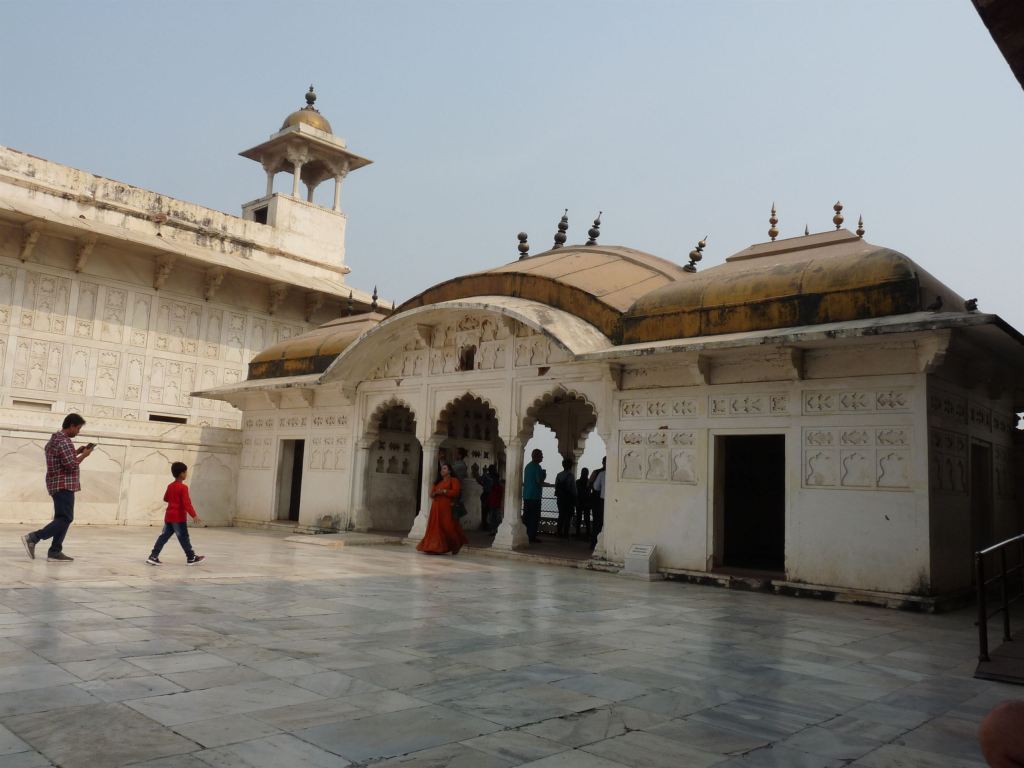
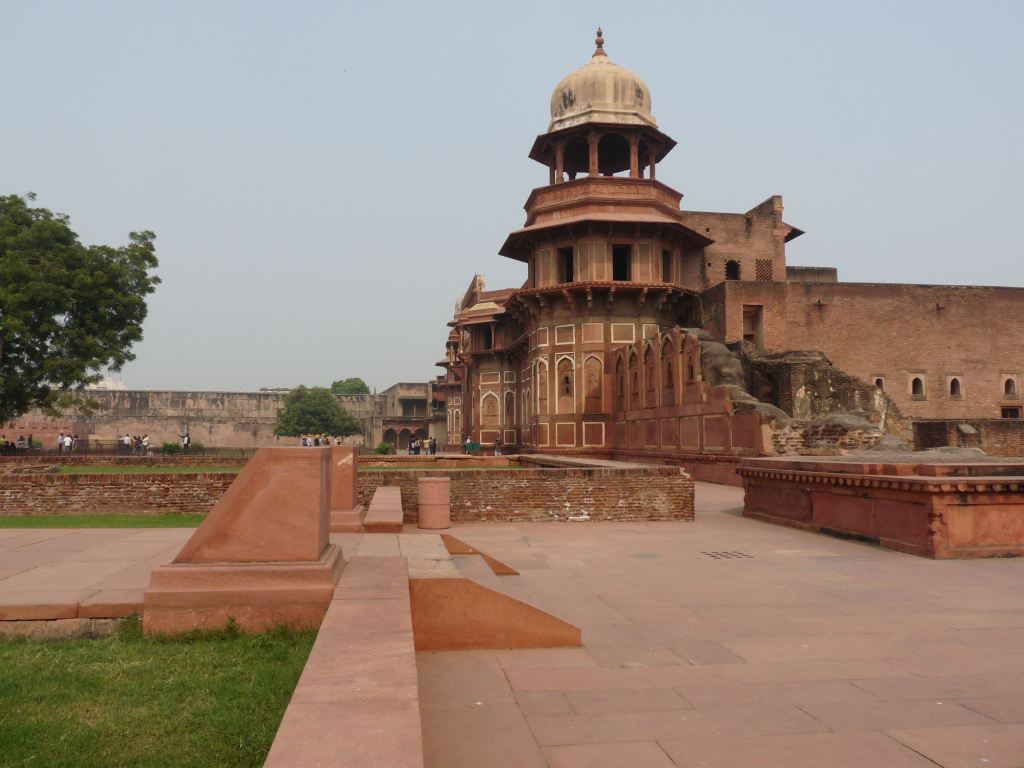
Agra fort is huge. Built in 1573 it covers 380,000 square meters and took 4,000 workers eight years to complete. There is a rich history to the building but the most striking feature is that parts of it are built in red sandstone and other parts are built in white marble.
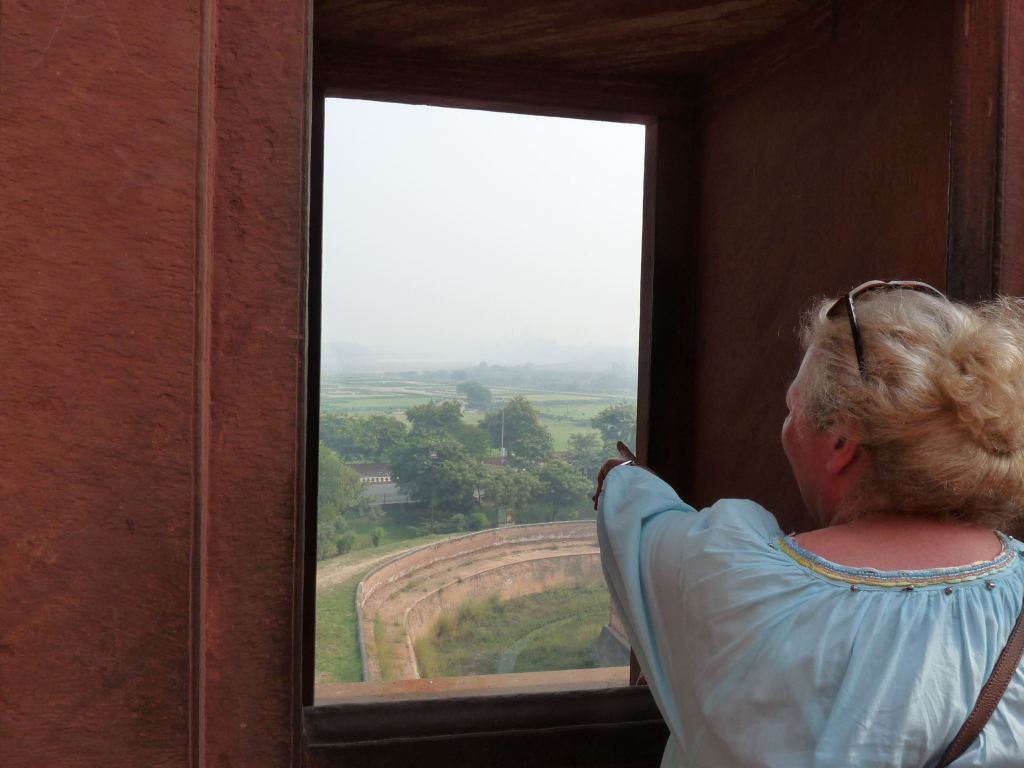
On a clear day you can see the Taj Mahal which is around 2.5km away. Shah Jahan was imprisoned on the side of the fort where he could see his wife’s mausoleum – so at least his youngest son wasn’t all bad.

The Mini Taj

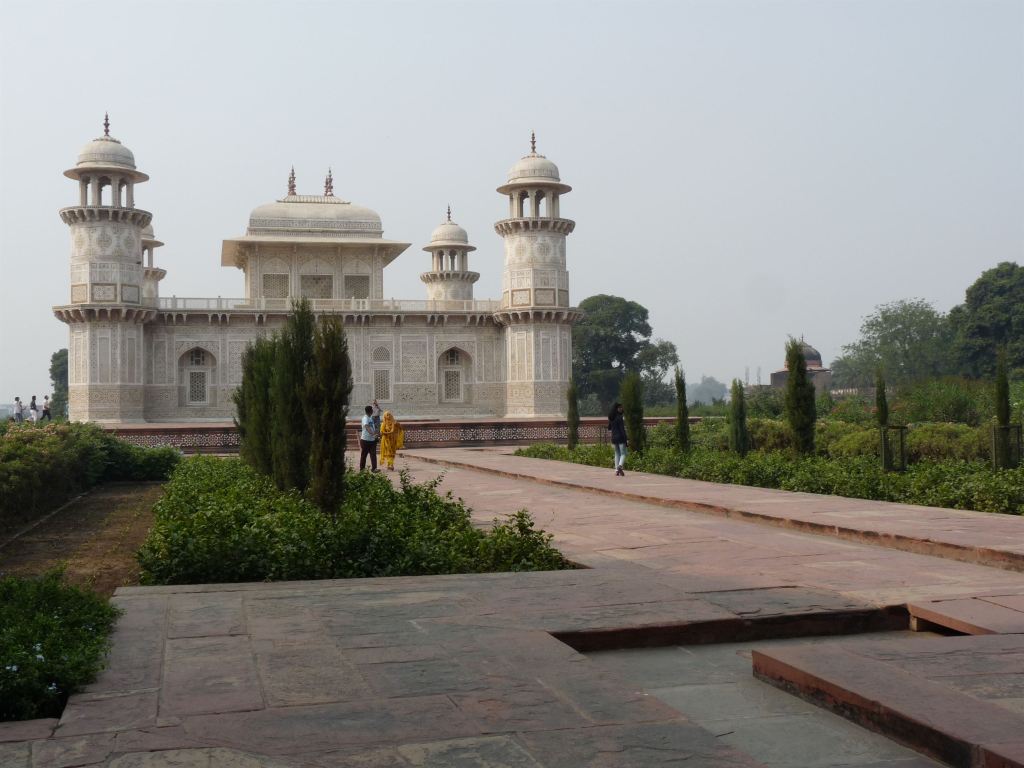
I didn’t know it but there is a mini Taj in Agra. It was built as a 17th century mausoleum by Prince Azam Shah for his mum. Azam was Shah Jahan’s grandson.

One Taj in the family is okay. Two is just showing off.

Design a site like this with WordPress.com
Get started